
Thyme Planting Easy Method: 2026 Beginner's Guide
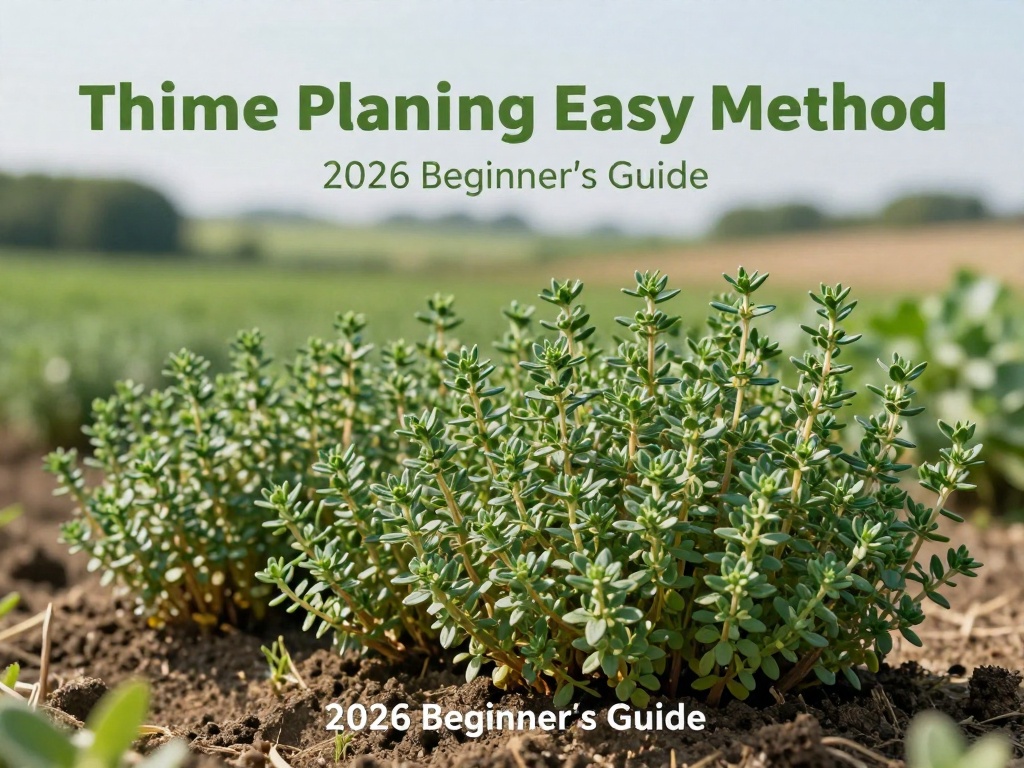
Thyme Planting Easy Method: 2026 Beginner's Guide
Thyme is one of the most rewarding herbs you can grow in your garden. Whether you have a spacious backyard or just a small balcony, this hardy perennial thrives with minimal care. This thyme planting easy method guide will walk you through every step, ensuring your herb garden flourishes from day one.
Growing thyme successfully starts with understanding its simple needs. This Mediterranean herb loves sunshine, well-draining soil, and occasional watering. Once you master these basics, you'll enjoy fresh thyme for cooking, herbal remedies, and beautiful landscaping for years to come.
Why Grow Thyme in Your Garden
Thyme offers incredible value for both novice and experienced gardeners. This versatile herb provides culinary benefits, attracts pollinators, and requires virtually no maintenance once established. Understanding these advantages motivates you to start your thyme planting journey today.
Culinary and Medicinal Benefits
Fresh thyme elevates any dish with its earthy, slightly minty flavor. You can harvest it throughout the growing season for soups, roasts, marinades, and teas. Medicinally, thyme supports respiratory health and contains natural antioxidants that boost your immune system.
Garden-Friendly Characteristics
Thyme serves as an excellent ground cover that prevents soil erosion and suppresses weeds. Its purple flowers attract bees and butterflies, promoting biodiversity in your garden. Additionally, deer and rabbits typically avoid thyme, protecting your plants from wildlife damage.
Best Time to Plant Thyme
Timing plays a crucial role in successful thyme establishment. The ideal planting window depends on your climate zone, but general guidelines apply across most regions. Planting at the right time ensures strong root development before environmental stress arrives.
For outdoor planting, wait until all frost danger passes in spring. Soil temperatures should reach at least 60°F (15°C) for optimal germination and root growth. In warmer climates, you can plant in early fall, giving roots time to establish before winter dormancy.
Choosing the Perfect Location
Thyme thrives in locations that mimic its Mediterranean homeland. Select a spot that receives at least 6-8 hours of direct sunlight daily. Insufficient sunlight leads to leggy growth and reduced flavor concentration in the leaves.
Drainage proves equally important as sunlight exposure. Thyme absolutely cannot tolerate wet, waterlogged roots. If your garden has heavy clay soil, consider raised beds or containers that provide excellent drainage conditions.
Soil Preparation for Thyme Planting
Preparing the right soil mixture ensures your thyme plants thrive for seasons. Thyme prefers lean, sandy soil that drains quickly and doesn't retain excess moisture. Rich, fertile soil actually encourages floppy growth and diminishes the herb's intense flavor.
DIY Soil Mix Recipe
Combine equal parts of regular garden soil, coarse sand, and perlite or pumice. This mixture provides excellent drainage while offering enough mineral content for healthy growth. Avoid adding compost or manure, as excessive nutrients harm thyme development.
Testing Your Soil Drainage
Before planting, conduct a simple drainage test. Dig a hole 12 inches deep and fill it with water. If water drains completely within 1-2 hours, your soil conditions suit thyme perfectly. Slower drainage requires amendment or raised bed installation.
Step-by-Step Thyme Planting Easy Method
Follow this straightforward process to plant thyme successfully. Whether using seeds, cuttings, or nursery transplants, these steps guarantee optimal results for beginners and experienced gardeners alike.
Method 1: Planting Nursery Transplants
Nursery transplants offer the fastest path to harvest, skipping the delicate seedling stage entirely. Purchase healthy thyme plants from a reputable garden center, looking for vibrant green foliage and compact growth habits.
Space plants 12-18 inches apart, allowing air circulation that prevents fungal issues. Dig holes slightly shallower than the root ball, placing the plant so the top of the root mass sits at soil level. Backfill gently and water lightly to settle soil around roots.
Method 2: Growing from Cuttings
Propagating thyme from cuttings produces identical plants to the parent, preserving desirable characteristics. Take 3-4 inch cuttings from healthy stems, removing lower leaves and dipping cut ends in rooting hormone.
Insert cuttings into moist perlite or seed-starting mix, covering with plastic to maintain humidity. Roots develop within 2-3 weeks, after which you can transplant to permanent locations. This method works excellently for expanding your thyme collection economically.
Method 3: Starting from Seeds
Growing thyme from seeds requires patience but offers great satisfaction. Scatter seeds lightly over well-draining soil and press them gently into the surface, as they need light for germination. Mist carefully and maintain consistent moisture until germination occurs.
Expect germination within 14-28 days, slower than many garden vegetables. Once seedlings develop true leaves and reach 3-4 inches tall, thin them to the strongest plants and transplant to final growing positions.
Thyme in Containers: Perfect for Small Spaces
Container gardening opens thyme cultivation to apartment balconies, patios, and windowsills. This approach provides complete control over soil conditions and allows moving plants to optimize sun exposure throughout seasons.
Container Selection Guidelines
Choose pots with drainage holes at least 8-12 inches in diameter. Terra cotta and fabric grow bags excel, as their breathable materials prevent moisture buildup around roots. Avoid dark containers that absorb excessive heat in summer months.
Container Soil and Care
Fill containers with the same sandy soil mix recommended for garden planting. Water when the top inch of soil feels completely dry, typically once or twice weekly depending on temperature. Containers dry out faster than ground soil, requiring more frequent monitoring.
Ongoing Thyme Care and Maintenance
Established thyme requires remarkably little intervention, making it perfect for busy gardeners. However, understanding basic care requirements ensures your plants remain healthy and productive for many years.
Watering Techniques
Thyme thrives on neglect once properly established. Water deeply but infrequently, allowing soil to dry between waterings completely. Overwatering causes root rot and fungal diseases that often prove fatal. During rainy periods, protect container plants from excessive moisture.
Pruning and Harvesting
Regular harvesting naturally shapes your thyme plants and encourages bushy growth. Snip sprigs as needed, taking no more than one-third of the plant at any time. In early spring, trim woody stems to maintain compact, productive growth.
Common Thyme Growing Mistakes to Avoid
Understanding typical errors saves you time and disappointment in your thyme growing journey. These common pitfalls have simple solutions that keep your plants thriving.
- Overwatering is the primary cause of thyme failure, leading to root rot and plant death
- Planting in shade reduces vigor and flavor concentration significantly
- Rich soil produces weak, sprawling growth instead of compact, aromatic foliage
- Neglecting drainage guarantees failure, especially in heavy clay gardens
- Harvesting too heavily stresses young plants before they're established
Troubleshooting Thyme Problems
Even with excellent care, occasional issues arise that require attention. Quick identification and correction restore plant health and prevent serious damage.
Yellowing Leaves
Yellow foliage typically indicates overwatering or poor drainage. Allow soil to dry completely and verify containers have adequate drainage holes. Consider transplanting to fresh, drier soil if yellowing persists.
Leggy Growth
Insufficient sunlight causes stretched, weak stems with sparse leaves. Move plants to sunnier locations immediately. Prune back leggy growth to encourage denser, healthier development.
Woody Stems
Mature thyme naturally develops woody stems at the base. This normal aging doesn't harm the plant. Replace plants every 3-4 years or propagate fresh cuttings to maintain vigorous production.
Seasonal Thyme Care Calendar
Following a simple seasonal routine ensures year-round success with minimal effort. These guidelines adapt to most climate zones with minor adjustments.
Spring: Prune old growth, add mulch for weed suppression, begin regular harvesting as growth resumes.
Summer: Monitor watering closely during hot weather, harvest frequently to encourage bushy growth, enjoy abundant fresh thyme.
Fall: Reduce watering as temperatures cool, take final cuttings for drying, prepare containers for winter protection if needed.
Winter: Allow plants to go dormant naturally, avoid fertilizing, protect containers from freezing by moving to sheltered locations.
FAQ: Frequently Asked Questions About Thyme Planting
What is the easiest method for planting thyme?
The easiest thyme planting method uses nursery transplants. Simply dig a hole matching the root ball size, place the plant at soil level, backfill, and water lightly. Transplants establish quickly and provide harvest within weeks rather than months.
Can I grow thyme indoors successfully?
Yes, thyme grows well indoors on sunny windowsills receiving 6+ hours of direct light. Use well-draining containers and water only when soil dries completely. Supplemental grow lights improve results during winter months with limited natural sunlight.
How long does thyme take to grow from planting to harvest?
Nursery transplants provide harvestable thyme within 3-4 weeks. Cuttings establish in 2-3 weeks with harvest following 4-6 weeks later. Seeds require 14-28 days for germination plus several months of growth before substantial harvesting.
Is thyme planting expensive to start?
Thyme planting costs very little to begin. A small nursery plant costs $3-5, while seed packets run $2-4 and contain hundreds of seeds. DIY soil amendments using garden sand and perlite provide excellent results without expensive commercial products.
What mistakes do beginners make with thyme?
Beginners most commonly overwater thyme, plant it in shade, or use nutrient-rich soil. Thyme evolved in Mediterranean conditions preferring lean, dry, sunny environments. Correcting these issues usually reverses damage and restores plant health.
Does thyme need fertilizer for healthy growth?
Thyme generally requires no fertilizer and actually performs better without it. Excessive nutrients cause rapid but weak growth with diminished flavor. If soil is extremely poor, apply a very diluted organic fertilizer only once in early spring.
When is the best month to plant thyme outdoors?
Late spring, after all frost danger passes, offers the best planting time in most regions. Soil should warm to at least 60°F (15°C), typically occurring 2-4 weeks after the last expected frost date. Fall planting works in zones 8-10 with 6-8 weeks before first frost.
How much effort does maintaining thyme require?
Thyme requires minimal ongoing effort once established. Weekly checks for watering needs, occasional harvesting, and annual spring pruning comprise the entire maintenance routine. This low-maintenance nature makes thyme ideal for busy gardeners or those new to herb cultivation.
No comments