
Basil Crop Rotation Organic Method: 2026 Grower's Guide
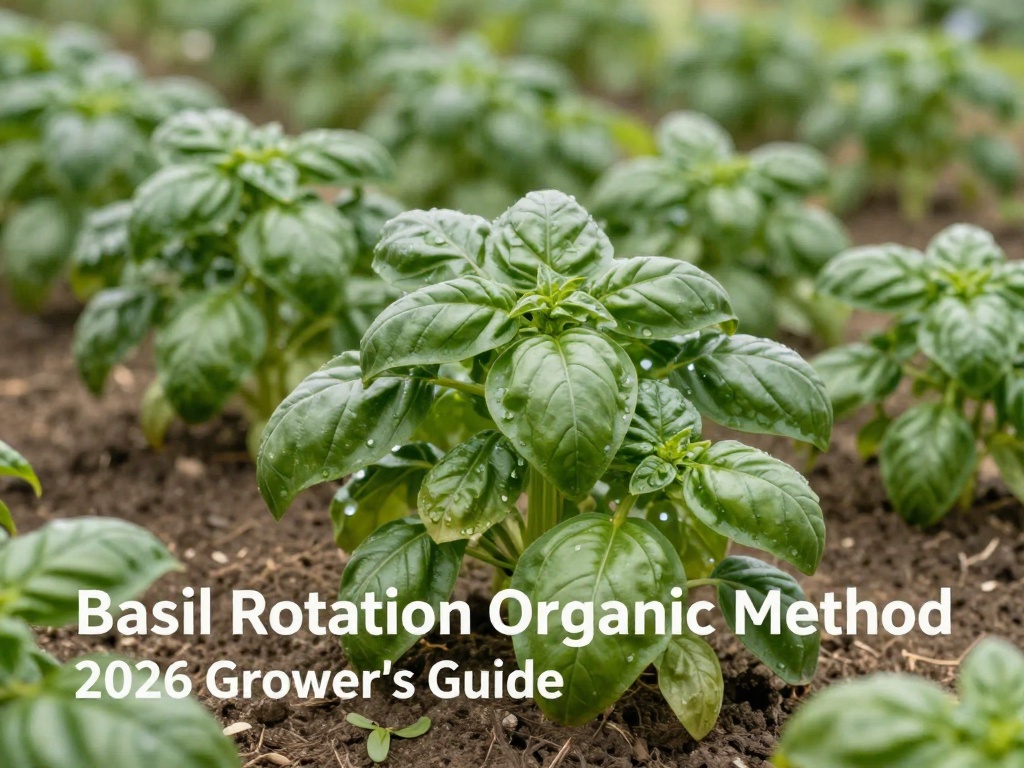
Basil Crop Rotation Organic Method: 2026 Grower's Guide
Growing basil successfully in your organic garden requires more than just planting and watering. The basil crop rotation organic method is a powerful technique that prevents soil depletion, naturally controls pests, and maximizes your harvest year after year. Whether you grow basil in raised beds, containers, or small garden spaces, implementing proper crop rotation will transform your herb garden from struggling to thriving.
This comprehensive guide covers everything beginners and experienced growers need to know about rotating basil crops organically in 2026 and beyond.
What Is Basil Crop Rotation?
Basil crop rotation is the practice of growing basil in different locations across your garden in a planned sequence over several growing seasons. Instead of planting basil in the same spot year after year, you move it to new areas following a strategic schedule. This organic method breaks pest and disease cycles while allowing soil nutrients to naturally replenish.
When basil grows repeatedly in the same location, soil-borne pathogens like fusarium wilt and downy mildew accumulate. Insects that specifically target basil complete their life cycles in that area, emerging stronger each season. Crop rotation disrupts these patterns, giving your garden a natural advantage without chemical interventions.
Why the Organic Method Matters for Basil
Organic gardening focuses on working with natural systems rather than against them. The organic method for basil crop rotation builds long-term soil health instead of masking problems with synthetic fertilizers or pesticides. Healthy soil produces resilient basil plants with superior flavor and aroma.
Studies from agricultural universities confirm that organic crop rotation can reduce soil-borne diseases by up to 70% compared to monoculture planting. For home growers using containers or raised beds, this approach extends the productive life of your growing medium significantly.
Benefits for Beginners in Organic Gardening
If you are just starting your organic gardening journey, basil rotation offers an excellent introduction to sustainable practices. The technique requires minimal equipment, no special permits, and delivers noticeable improvements within your first growing season. Beginners often report healthier plants and larger harvests after implementing even basic rotation schedules.
The 4-Year Basil Rotation Schedule for Maximum Yield
Follow this proven four-year rotation plan specifically designed for basil in organic systems. Each year, move basil to the next position in the sequence, returning to the starting location only in year five.
Year 1: Leafy Greens Bed
Plant basil after lettuce, spinach, or other leafy greens. These light feeders leave moderate nutrients in the soil while creating favorable soil structure. Avoid planting basil after other herbs from the mint family during this phase.
Year 2: Root Vegetable Position
Move basil to the area where you grew carrots, beets, or radishes the previous season. Root vegetables break up soil deeply, creating excellent conditions for basil's relatively shallow root system. The soil after root crops has good tilth and moderate fertility.
Year 3: Legume Follow-Up
Plant basil after beans or peas. Legumes fix nitrogen from the atmosphere and leave behind enriched soil perfect for nitrogen-loving basil. This natural fertilization reduces the need for organic amendments and supports lush, aromatic foliage development.
Year 4: Brassica Transition
After growing basil near brassicas like cabbage or broccoli, the soil contains beneficial微生物 from the previous heavy feeding. This position works well for basil but should be followed by returning to the leafy greens bed to begin the cycle again.
Step-by-Step Organic Rotation Implementation
Ready to implement basil crop rotation in your garden? Follow these practical steps whether you garden in containers, raised beds, or open soil.
Step 1: Map Your Garden Spaces
Draw a simple diagram of your growing areas and assign each section a number. Label which crops currently grow where and note any disease or pest issues you observed. This documentation helps you track rotation effectiveness over time.
Step 2: Choose Companion Plants Wisely
Even within rotation schedules, companion planting enhances basil's growth. Tomatoes, peppers, and oregano make excellent neighbors for basil in any bed location. Keep mint in separate containers since it spreads aggressively and disrupts rotation patterns.
Step 3: Prepare Soil Between Rotations
Before planting basil in its new location, amend soil with two inches of aged compost. This organic matter introduces beneficial microorganisms and provides gentle nutrition without overwhelming young basil seedlings. Avoid fresh manure, which can burn tender plants.
Step 4: Monitor and Adjust
Track plant health throughout each growing season. If you notice recurring issues in specific locations, extend that section's rotation interval or investigate underlying soil conditions. Successful organic gardening requires flexibility and observation.
Natural Pest Control Through Rotation
One of the most significant advantages of basil crop rotation organic method is natural pest management. Japanese beetles, slugs, and aphid populations that target basil cannot find their preferred food source when it moves to new territory.
This disruption causes pest populations to crash naturally without any organic sprays or interventions. Meanwhile, beneficial insects like ladybugs and lacewings thrive in diverse garden environments, providing ongoing biological pest control throughout the season.
Common Basil Pests and Rotation Solutions
Japanese beetles cause the most visible basil damage, skeletonizing leaves rapidly. Rotation prevents overwintering beetles from emerging in areas with available basil. Similarly, basil downy mildew persists in soil for approximately two years, making a four-year rotation schedule particularly effective against this challenging disease.
Soil Health and Nutrient Management
Organic basil cultivation depends entirely on building rich, living soil. Crop rotation supports this goal by preventing nutrient depletion in any single garden area. Each plant family draws different nutrients and contributes unique organic matter during decomposition.
Implement cover cropping during off-seasons to further enhance soil health. Crimson clover, winter rye, and buckwheat work well between basil rotations. These organic cover crops suppress weeds, prevent erosion, and add nutrients when incorporated back into the soil.
Composting for Organic Basil Success
Maintain a dedicated compost system for your garden. Combine green materials like basil trimmings and kitchen scraps with brown materials such as dried leaves and straw. Turn your compost regularly to ensure proper decomposition before applying to basil beds.
Common Mistakes to Avoid
Even experienced growers sometimes undermine their rotation efforts with these common errors. Avoid planting basil in spots previously occupied by other herbs from the Lamiaceae family, which share similar pest and disease vulnerabilities. Never rotate basil to areas where you recently applied chemical fertilizers or pesticides.
Skipping years in your rotation schedule reduces effectiveness significantly. A two-year rotation provides some benefits, but the four-year schedule delivers maximum soil improvement and pest suppression. Consistency matters more than perfection in organic gardening.
Small Space and Container Adjustments
Growers with limited space can still practice effective rotation. Use different containers for each rotation year and move them to new patio locations if possible. Replace container soil completely every three years rather than attempting rotation within the same growing medium.
Seasonal Timing for Organic Basil Rotation
Timing your basil rotation plantings correctly ensures maximum success. Start basil seeds indoors six weeks before your last frost date for earliest possible harvest. Transplant seedlings outdoors only after soil temperatures reach at least 60°F (16°C), typically two weeks after the last frost.
In regions with extended growing seasons, you can succession plant basil every three weeks for continuous harvest. Note which rotation position each planting occupies and adjust your schedule accordingly to maintain proper sequence across seasons.
Overwintering Considerations
Basil is frost-sensitive and cannot survive cold winters outdoors in most climates. In USDA zones 10 and above, perennial basil varieties may survive year-round with proper care. For cooler zones, treat each growing season as a complete rotation cycle and plan your next year's positions during winter planning sessions.
Results Timeline: What to Expect
Patience is essential when implementing the basil crop rotation organic method. During the first year, you may notice modest improvements in plant health compared to previous monoculture plantings. By year two, visible benefits typically emerge including darker foliage, more robust growth, and reduced pest pressure.
Full optimization occurs by year three or four of consistent rotation. At this point, soil microbial communities have stabilized, nutrient cycling has improved dramatically, and pest populations have significantly declined. Your basil harvest should increase substantially while required maintenance decreases.
FAQ
How often should I rotate basil in my organic garden?
Implement a minimum two-year rotation, though a four-year schedule provides optimal results for soil health and pest control. Move basil to a different growing location each season, following the plant family sequence outlined above.
Can I practice basil crop rotation in containers?
Yes, container gardening works well with rotation principles. Use different containers for each rotation year and replace soil completely every three years. Move containers to new locations on patios or balconies to further disrupt pest cycles.
What companion plants work best with basil during rotation?
Tomatoes, peppers, oregano, and chamomile make excellent companions for basil in any rotation position. These plants share similar growing requirements and can help deter pests through complementary chemical interactions in the soil.
How long does the organic method take to show results?
Visible improvements typically appear by the second growing season. Significant results in soil health and harvest quantity occur by the third or fourth year of consistent rotation. The long-term benefits compound exponentially over time.
What is the biggest mistake beginners make with basil rotation?
The most common error is incomplete rotation, where basil gets planted in the same bed after just one year or in adjacent beds. Another frequent mistake is rotating basil after other herbs from the mint family, which share similar disease vulnerabilities.
How much does implementing crop rotation cost?
The organic method for basil rotation requires minimal additional investment beyond standard gardening supplies. Main costs include extra compost for soil amendment and potentially additional containers if growing in small spaces. Most gardeners already have the basic tools needed.
No comments