
Potatoes Pruning for Beginners: 2026 Step-by-Step Guide
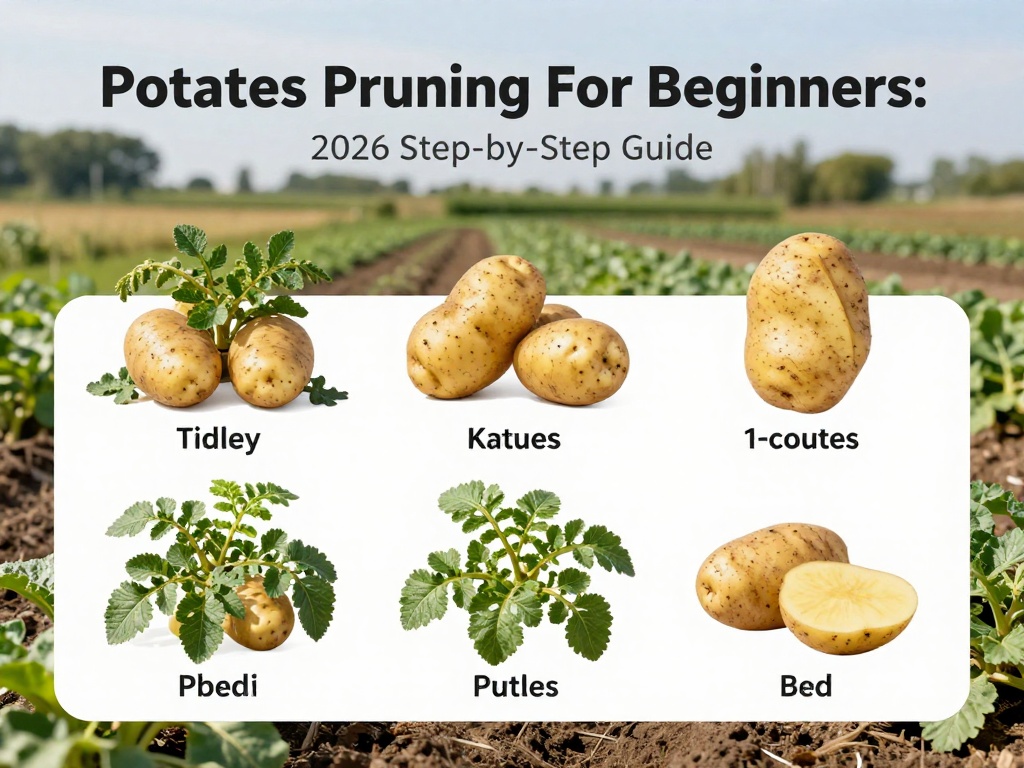
Potatoes Pruning for Beginners: 2026 Step-by-Step Guide
Potatoes pruning for beginners can seem intimidating at first, but mastering this essential technique will dramatically improve your harvest quality and plant health. Whether you grow potatoes in containers, raised beds, or traditional garden rows, understanding when and how to prune is crucial for beginners seeking maximum yield. This comprehensive 2026 guide walks you through every step of the pruning process, ensuring your potato plants thrive throughout the growing season.
Why Pruning Potatoes Matters for Beginners
Pruning potato plants serves multiple important purposes that directly impact your harvest success. First, it redirects the plant's energy from excessive foliage growth toward tuber development, resulting in larger and more abundant potatoes. Second, proper pruning improves air circulation, which significantly reduces the risk of fungal diseases that commonly affect potato crops. Third, removing damaged or diseased foliage prevents problems from spreading throughout your entire potato patch.
Understanding Potato Plant Growth Stages
Potato plants progress through distinct growth stages, each requiring different pruning approaches. During the vegetative stage, plants focus on establishing strong stems and leaves. The flowering stage signals that tuber formation has begun underground. Understanding these stages helps beginners time their pruning activities for maximum effectiveness and ensures you do not accidentally damage developing potatoes.
Benefits of Proper Pruning Techniques
Implementing correct pruning techniques delivers measurable benefits for home gardeners. Healthy pruned potato plants typically produce potatoes with better skin quality and fewer blemishes. The process also makes harvesting easier by keeping foliage manageable and preventing plants from sprawling excessively across your garden space. For container gardeners especially, pruning helps control plant size and prevents top-heavy growth that can topple containers.
When to Prune Potato Plants: A Beginner's Timing Guide
Timing plays a critical role in successful potato pruning, and beginners must learn to recognize the right moments for intervention. The primary pruning should occur approximately two to three weeks after the plants flower, which typically corresponds to early-to-mid summer depending on your planting zone. This timing aligns with the natural growth cycle when tubers are actively developing and can benefit from reduced foliage competition.
Signs Your Potatoes Need Pruning
Several visual indicators signal that your potato plants require attention and pruning. Look for excessive foliage growth where leaves appear crowded and overlapping, creating dense canopy conditions. Yellowing lower leaves indicate the plant is beginning to redirect energy, making this an ideal pruning opportunity. Plants showing signs of disease or pest damage should be pruned immediately regardless of growth stage to prevent further problems.
Seasonal Considerations for 2026
Climate patterns and seasonal conditions influence pruning timing, making it essential to adapt your approach based on current weather. In cooler growing regions, potatoes may require later pruning compared to warmer climates where growth accelerates more quickly. Monitor your plants weekly during the growing season and adjust your pruning schedule based on actual plant development rather than strictly following calendar dates.
Step-by-Step Pruning Process for Beginners
Following a systematic approach ensures beginners achieve optimal results when pruning potato plants. Gather clean, sharp pruning shears or scissors before beginning, and ensure your tools have been properly sanitized to prevent disease transmission between plants. Work during dry weather when possible, as wet foliage is more susceptible to infection through cut surfaces.
Step 1: Gather Your Pruning Tools
Select high-quality pruning shears designed for garden use, ensuring the blades remain sharp throughout the cutting process. Dull blades crush plant tissue rather than making clean cuts, which increases disease vulnerability and slows healing. Clean your tools with rubbing alcohol between plants if you are working with multiple potato specimens to maintain hygiene standards.
Step 2: Identify What to Remove
Examine each potato plant carefully and identify stems and leaves that should be pruned. Focus on removing dead or yellowing foliage first, as these leaves contribute minimal value to plant growth. Next, eliminate any stems growing inward toward the plant's center, which creates congestion and reduces airflow. Remove damaged or diseased leaves immediately upon discovery, cutting well below affected areas into healthy tissue.
Step 3: Make Clean Cuts
Position your pruning shears at a 45-degree angle when making cuts, which promotes faster healing and prevents water accumulation on cut surfaces. Leave approximately two to three inches of stem above the soil line when removing entire stems, protecting the developing tubers from sun exposure. Avoid cutting too close to the main plant structure, as this can damage the crown where new growth originates.
Step 4: Maintain Plant Balance
After pruning, step back and assess the overall appearance of your potato plant to ensure balanced foliage distribution. Remove additional stems if needed to achieve symmetry, particularly for plants that have become lopsided during growth. The goal is maintaining enough foliage for photosynthesis while eliminating excess growth that diverts energy from tuber development.
Common Pruning Mistakes Beginners Should Avoid
Understanding common errors helps beginners skip the trial-and-error phase and achieve success more quickly. Many new gardeners make the mistake of pruning too aggressively, removing excessive foliage that shocks the plant and reduces yield potential. Others fail to prune at all, allowing plants to become overgrown and vulnerable to disease pressure throughout the season.
Over-Pruning: The Most Common Beginner Error
Removing too much foliage weakens potato plants and significantly reduces their ability to produce energy through photosynthesis. Never remove more than one-third of the plant's total foliage during a single pruning session. If extensive pruning is needed, spread the work across multiple sessions spaced one to two weeks apart to minimize stress on the plant.
Improper Tool Maintenance
Using dull or dirty tools causes unnecessary damage that invites disease organisms into healthy plant tissue. Inspect your pruning shears regularly and sharpen them as needed throughout the growing season. Develop a habit of cleaning tools after each use, especially when working with plants showing any signs of disease or pest problems.
Post-Pruning Care for Healthier Potato Plants
Proper care following pruning supports rapid recovery and keeps potato plants productive through the remainder of the growing season. Water your plants thoroughly after pruning to help them recover from the stress of tissue removal. Avoid applying fertilizer immediately after pruning, as this stimulates new foliage growth at the expense of tuber development.
Monitoring for Problems
After pruning, observe your potato plants closely for any signs of distress or disease development. Cut surfaces should heal within a few days, forming a callus that protects against infection. Yellowing spreading beyond lower leaves or wilting of healthy foliage may indicate problems requiring attention. Address issues promptly to prevent minor problems from becoming serious crop losses.
Supporting Pruned Plants
Pruned potato plants sometimes become top-heavy as remaining foliage concentrates in upper areas. Add support stakes or cages if plants appear unstable, particularly for varieties known for heavy top growth. This support prevents stem breakage that could damage developing tubers and ensures continued healthy growth throughout the season.
Organic and Natural Pruning Approaches
Many beginners prefer organic methods that align with natural growing principles and environmental sustainability. Organic pruning focuses on working with natural plant processes rather than against them, promoting overall garden health. These approaches work equally well for home gardeners and those managing larger potato plots using organic certification standards.
Natural Timing vs. Scheduled Pruning
Some organic gardeners advocate for observation-based pruning rather than following strict schedules, allowing plants to guide the timing naturally. This approach involves monitoring individual plants and pruning when you observe specific indicators rather than targeting calendar dates. While effective, this method requires more experience and close attention to plant development patterns.
Companion Planting Considerations
Consider how pruning affects companion plants growing near your potato patch when planning your approach. Avoid pruning on windy days when cut material might scatter across nearby vegetables. Plan your garden layout to accommodate pruning activities without disturbing adjacent plants, creating dedicated pathways for easy access during maintenance sessions.
Harvesting After Pruning: What Beginners Should Know
Understanding the relationship between pruning and harvesting helps beginners plan their garden activities more effectively. The timing of your final pruning significantly impacts when potatoes reach their optimum harvest window. Most gardeners plan their last pruning approximately two weeks before anticipated harvest, allowing plants to begin dying back naturally.
Signs of Harvest Readiness
After the final pruning, watch for natural indicators that potatoes have reached maturity and are ready for harvest. Plant foliage typically yellows and dies back completely when tubers have finished developing. The skin of potatoes should feel firm and resistant to gentle rubbing when tested. Avoid harvesting prematurely, as immature potatoes have thinner skins and do not store well.
FAQ: Frequently Asked Questions About Potatoes Pruning
Can I prune potatoes before they flower?
While light maintenance pruning of damaged foliage is acceptable at any stage, major pruning should wait until after flowering begins. Pre-flowering pruning can shock young plants and delay or reduce tuber formation. Focus on removing only dead, yellowing, or diseased leaves before the flowering stage appears.
How much of the potato plant can I safely remove?
Never remove more than one-third of a potato plant's foliage in a single session. Removing excessive foliage weakens the plant by reducing its ability to photosynthesize. If extensive pruning is necessary, spread it across multiple sessions spaced at least one to two weeks apart to minimize stress.
Do I need to prune potato plants grown in containers?
Container-grown potatoes benefit significantly from pruning, which helps control plant size within limited root space. Prune container potatoes using the same guidelines as garden-grown plants, focusing on maintaining healthy foliage while preventing overcrowding. Container plants may require more frequent pruning due to their concentrated growing conditions.
What happens if I don't prune my potato plants?
Neglecting to prune potato plants can result in reduced yields as excessive foliage competes with tubers for energy resources. Plants become more susceptible to fungal diseases due to poor air circulation through dense foliage. Harvesting becomes more difficult, and potatoes may develop green patches from light exposure through sparse foliage coverage.
Can I use the pruned potato foliage for composting?
Healthy pruned foliage makes excellent compost material, adding valuable organic matter to your garden soil. Avoid composting leaves showing signs of disease, as pathogens may survive the composting process and infect future plantings. Chop larger stems before adding to compost piles to accelerate decomposition.
When is the best time of day to prune potato plants?
Prune potato plants during early morning or late afternoon when temperatures are moderate and sunlight is less intense. Avoid pruning during the hottest part of the day, which stresses plants and causes excessive moisture loss from cut surfaces. Dry weather is preferable to wet conditions, reducing disease risk through cut tissue entry points.
Mastering potatoes pruning for beginners takes practice, but following this 2026 guide ensures you have the knowledge needed for successful potato cultivation. Start with light pruning and observe how your plants respond, adjusting your techniques based on their growth patterns. With patience and attention to detail, your potato plants will reward your efforts with healthy, abundant harvests season after season.
No comments