
Basil Companion Planting for Beginners: 2026 Guide
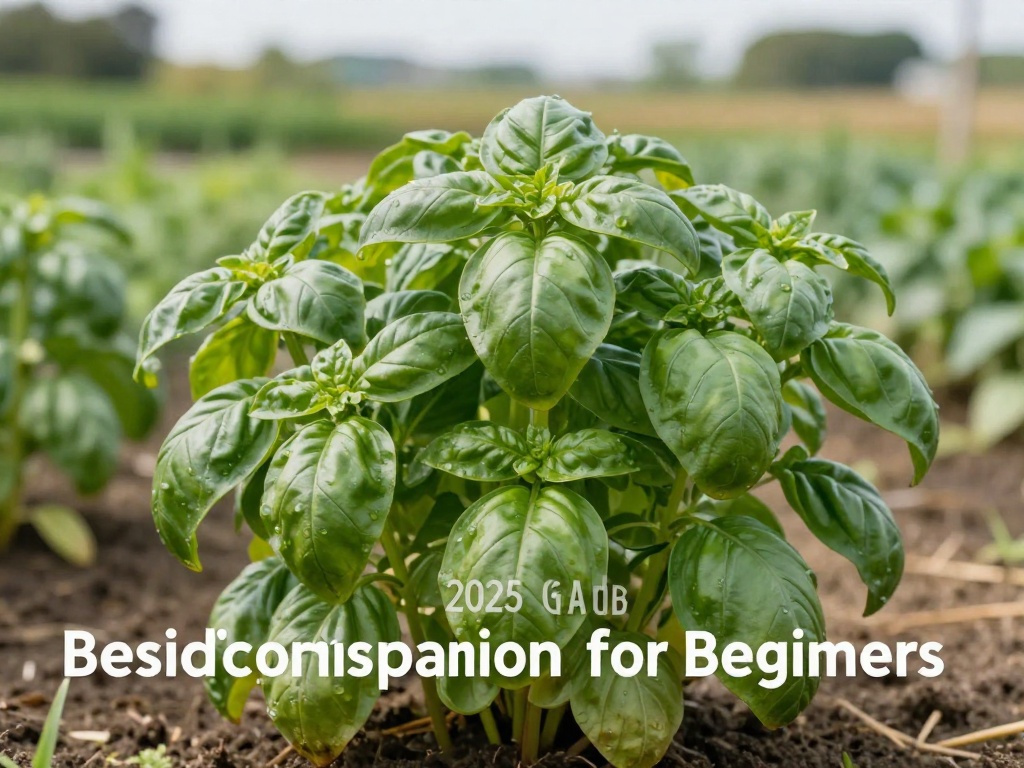
Basil Companion Planting for Beginners: 2026 Guide
Basil companion planting for beginners is one of the most rewarding techniques you can master in your garden this year. Growing basil alongside the right partners not only maximizes your garden space but also naturally repels pests, improves flavor, and boosts overall plant health. Whether you have a small backyard plot, raised beds, or containers on your patio, understanding which plants thrive beside basil will transform your gardening success.
Why Companion Planting Matters for Basil
Companion planting is an ancient agricultural practice that pairs plants together for mutual benefit. When it comes to basil, this herb excels as a companion because it contains strong aromatic oils that confuse pests and attract beneficial insects. By planting basil strategically throughout your garden, you create a natural defense system that reduces the need for chemical pesticides.
The Science Behind Basil's Protective Properties
Basil produces essential oils, including eugenol, linalool, and estragole, which emit powerful scents that repel mosquitoes, flies, aphids, and spider mites. These compounds work continuously throughout the growing season, providing ongoing protection for nearby plants. This makes basil an invaluable organic method for maintaining garden health.
Benefits for Beginner Gardeners
For beginners, basil companion planting offers several advantages. First, it simplifies pest management by naturally reducing harmful insect populations. Second, it improves pollination rates by attracting bees and butterflies to your garden. Third, it helps optimize space utilization, allowing you to grow more food in limited areas like small spaces or urban gardens.
Best Basil Companion Plants for Maximum Yield
Choosing the right companions for your basil ensures both plants thrive together. The following combinations have proven most effective for gardeners seeking abundant harvests.
Tomatoes: The Perfect Partnership
Tomatoes rank among the best companions for basil in any garden. This classic combination works because basil repels tomato hornworms, whiteflies, and aphids that commonly attack tomato plants. Additionally, many gardeners believe basil enhances tomato flavor, making this partnership both practical and delicious. Plant basil directly beneath tomato plants in raised beds or containers for optimal results.
Peppers: A Flavor-Boosting Match
Basil and peppers share similar growing requirements, making them ideal partners. Like tomatoes, peppers benefit from basil's pest-repelling properties, which protect against aphids and spider mites. Growing basil near pepper plants also helps deter beetles and flies. This combination works exceptionally well in containers on sunny patios or balconies.
Oregano and Other Herbs
Grouping herbs together creates a fragrant, pest-resistant garden section. Oregano, thyme, rosemary, and lavender all grow well beside basil, provided they receive adequate air circulation. These Mediterranean herbs share similar water and sunlight needs, simplifying garden maintenance for beginners. This natural approach to garden planning reduces effort while increasing herb production.
Asparagus: Unexpected Companions
Asparagus benefits significantly from nearby basil plantings. Basil helps repel asparagus beetles, a common pest that can devastate asparagus beds. This partnership works particularly well in established garden beds where asparagus has permanent residence. Planting basil along asparagus rows provides season-long protection without additional intervention.
Root Vegetables: Space-Saving Strategies
Root vegetables like carrots, beets, and radishes make excellent companions for basil in small-space gardens. Basil's aromatic properties deter carrot flies and other root-damaging pests while these vegetables provide ground cover that retains soil moisture. This combination is perfect for raised beds where maximizing every square foot matters.
Plants to Avoid Near Basil
Knowing which plants to keep separate from basil equally important for beginner gardeners. Some plants either compete for resources or may actually hinder basil's growth.
Rue and Sage
Rue and sage should never be planted near basil. These herbs contain compounds that can inhibit basil growth and reduce essential oil production. Additionally, they have different water requirements, making them poor companions in any garden setting. Keep these plants in separate beds or containers.
Fennel: A Poor Match
Fennel ranks among the worst companions for basil and most other garden vegetables. Fennel releases allelopathic chemicals that inhibit the growth of nearby plants, including basil. If you want to grow fennel, plant it in isolation, away from your main garden areas.
Step by Step Guide to Basil Companion Planting
Implementing basil companion planting in your garden requires careful planning and execution. Follow these steps for guaranteed success as a beginner.
Step 1: Choose Your Garden Location
Select a sunny location receiving at least six to eight hours of direct sunlight daily. Basil thrives in warm conditions, so wait until all frost danger passes before planting. Your chosen area should have well-draining soil and easy access for regular harvesting.
Step 2: Plan Your Plant Combinations
Before planting, sketch your garden layout considering mature plant sizes. Place taller plants like tomatoes on the north side to prevent shadowing shorter basil plants. Group herbs with similar water and sun requirements together. This planning prevents competition and ensures all plants receive adequate resources.
Step 3: Prepare Your Soil
Work organic compost into your garden soil before planting to improve drainage and nutrient availability. Basil prefers slightly acidic to neutral soil with a pH between 6.0 and 7.0. Proper soil preparation sets the foundation for thriving companion plants throughout the season.
Step 4: Plant With Proper Spacing
Space basil plants 12 to 18 inches apart to allow air circulation while providing enough proximity for pest protection benefits. Position companion plants according to their mature sizes, ensuring adequate room for growth. Close spacing maximizes companion benefits while preventing overcrowding issues.
Step 5: Maintain Consistent Care
Water basil deeply but infrequently, allowing soil to dry slightly between waterings. Apply organic mulch around plants to retain moisture and suppress weeds. Regularly harvest basil to encourage bushier growth and prevent flowering, which reduces flavor intensity.
Common Mistakes to Avoid
Beginners often encounter challenges when first implementing basil companion planting. Awareness of these common errors helps you avoid them.
Overcrowding Plants
One of the most frequent mistakes involves planting companions too close together. While companion planting aims to maximize space, overcrowding leads to competition for nutrients, water, and sunlight. Follow spacing guidelines carefully to ensure healthy growth for all plants.
Ignoring Water Requirements
Companion plants must share similar water needs for successful partnerships. Combining drought-tolerant plants with water-loving varieties creates maintenance challenges and potentially harms one or both plants. Group plants according to their irrigation requirements.
Planting at Wrong Times
Basil is extremely sensitive to cold temperatures. Planting basil companions at inappropriate times risks losing your basil to frost damage. Wait until soil temperatures warm to at least 50°F (10°C) before transplanting basil outdoors.
Seasonal Timing for Maximum Success
Understanding seasonal timing ensures optimal results from your companion planting efforts. Different regions may require adjusted schedules, but general principles apply universally.
Spring Planning
Begin preparing your garden beds in early spring by testing soil and adding amendments. Start basil seeds indoors six to eight weeks before the last expected frost. This head start produces stronger seedlings ready for transplanting when temperatures warm.
Summer Maintenance
Summer represents peak basil growing season. Continue regular harvesting to promote continuous production. Monitor for any signs of disease or pest issues, addressing problems promptly to maintain healthy companion relationships.
Fall Considerations
As temperatures cool, assess which companions performed best together. Collect seeds from healthy plants for next season. Remove frost-sensitive plants before cold weather arrives to preserve garden productivity.
Results Timeline: What to Expect
Understanding when you'll see results helps set realistic expectations for your companion planting journey. Basil companion planting rewards patience with substantial benefits over time.
First Month: Establishment Phase
During the initial month after transplanting, focus on establishing strong root systems. Your basil and companions will acclimate to their new environment, developing the foundation for future growth and pest protection benefits.
Second and Third Months: Active Benefits
By the second month, you'll notice reduced pest activity around your companion plantings. Basil's aromatic compounds begin affecting nearby insects, while companion plants grow more vigorously without pest pressure. Harvesting can begin by week six to eight.
Season's End: Full Assessment
At season's end, evaluate your results by comparing yields between companion-planted areas and control plots. Most gardeners report significantly higher productivity and lower pest damage in well-planned companion arrangements. Use these observations to improve next year's planning.
Cost and Effort Considerations
One of the greatest advantages of basil companion planting involves its cost-effectiveness and minimal effort requirements compared to conventional pest management approaches.
Initial Investment
Starting a companion planting garden requires basic supplies: seeds or seedlings, compost, and mulch. These materials cost significantly less than chemical pesticides and fertilizers while providing superior long-term results. Most beginner gardeners can start a productive companion garden for under fifty dollars.
Ongoing Maintenance
Once established, companion plantings require minimal additional effort beyond standard garden maintenance. Watering, occasional feeding, and regular harvesting consume the majority of maintenance time. The natural pest control provided by companion planting actually reduces overall garden workload.
FAQ
What vegetables can I plant with basil for beginners?
Tomatoes, peppers, carrots, beets, radishes, and asparagus make excellent companions for basil. These vegetables either benefit from basil's pest-repelling properties or share similar growing requirements, making them ideal choices for beginners starting companion planting.
How close should basil be planted to tomatoes?
Plant basil 12 to 18 inches away from tomato plants for optimal companion benefits. This spacing allows adequate air circulation while keeping basil close enough to deter common tomato pests like hornworms and aphids effectively.
Can I grow basil with other herbs in containers?
Yes, basil grows well with compatible herbs like oregano, thyme, and rosemary in containers. Ensure each plant has adequate root space and group herbs with similar water needs together. This approach works perfectly for small spaces and patio gardens.
What herbs should not be planted near basil?
Avoid planting rue, sage, and fennel near basil. These plants either inhibit basil growth or compete for resources in ways that harm both plants. Keep them in separate garden areas for best results.
How long does it take to see companion planting benefits?
Most gardeners notice reduced pest activity within four to six weeks of establishing companion plantings. Full benefits including improved yields and natural pest control typically manifest by the second month of the growing season.
Is basil companion planting cost-effective for beginners?
Absolutely. Companion planting with basil costs very little extra since you only need seeds or seedlings plus basic soil amendments. The natural pest control eliminates pesticide expenses, while improved yields provide better returns on your garden investment.
No comments