
Raspberry Vertical Gardening in Pots: 2026 Grower's Guide
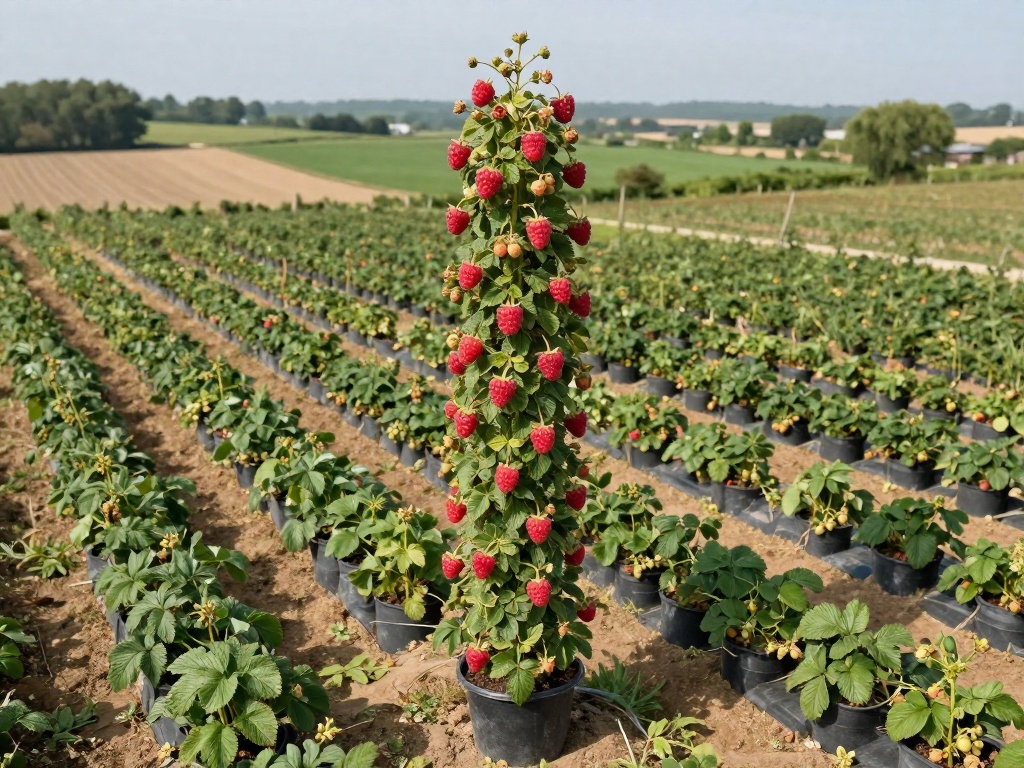
Raspberry Vertical Gardening in Pots: 2026 Grower's Guide
Raspberry vertical gardening in pots offers an innovative solution for space-constrained gardeners who refuse to sacrifice fresh, homegrown berries. Whether you have a modest balcony, a small patio, or limited backyard space, growing raspberries vertically in containers enables you to harvest abundant crops without requiring extensive garden beds. This comprehensive 2026 grower's guide walks you through every step of establishing and maintaining a productive vertical raspberry garden in containers.
Why Choose Vertical Gardening for Raspberries in Pots?
Vertical gardening maximizes your growing area by training raspberry canes to grow upward rather than outward. When combined with container gardening, this approach delivers multiple advantages for modern urban and suburban growers. Limited garden space no longer means abandoning your dream of harvesting fresh raspberries from your own backyard.
Space Efficiency Benefits
Traditional raspberry patches require substantial ground space, often spreading six to eight feet wide. Vertical container gardening condenses this footprint dramatically, allowing you to grow raspberries in spaces as narrow as two feet. Apartment balconies, rooftop gardens, and even sunny kitchen windowsills become viable growing locations when you embrace vertical techniques.
Better Air Circulation and Disease Prevention
Vertically trained raspberry canes enjoy improved air circulation around foliage and fruit. This natural ventilation reduces fungal disease pressure, particularly problematic conditions like botrytis fruit rot and powdery mildew. Container growing further benefits plant health by providing well-draining soil conditions that prevent root rot issues common in ground-planted raspberry beds.
Simplified Harvest and Maintenance
Training raspberries upward positions fruit at comfortable harvesting heights, eliminating the frustration of reaching into thorny, sprawling brambles. Pruning becomes straightforward when canes grow in an organized vertical pattern. Pest inspection and treatment also prove much easier when you can access all plant surfaces without wrestling with dense, horizontal growth.
Best Raspberry Varieties for Container Vertical Gardening
Selecting appropriate raspberry varieties forms the foundation of successful vertical container gardening. Not all raspberry types adapt equally well to pot culture and vertical training. Focus on compact, everbearing, or thornless varieties specifically bred or known to thrive in constrained growing environments.
Ever-bearing Raspberry Varieties
Everbearing raspberries produce fruit on both first-year canes (primocanes) and second-year canes (floricanes), offering extended harvest windows. These varieties prove particularly valuable for container growing because they tolerate pruning more aggressively and adapt better to restricted root systems.
Anne: This exceptional everbearing variety produces large, pale yellow to apricot-colored berries with exceptional sweetness. Plants typically reach four to five feet tall, making them ideal for vertical training. Anne demonstrates good disease resistance and performs admirably in containers sized at least eighteen inches deep.
Fall Gold: Another outstanding everbearing option featuring golden-yellow fruit with honey-sweet flavor. Fall Gold adapts exceptionally well to container culture, producing reliable crops on compact plants reaching three to four feet mature height. Its unique coloring adds visual interest to vertical garden displays.
Heritage: Perhaps the most widely grown everbearing raspberry, Heritage produces firm, flavorful red berries on vigorous primocanes. While slightly more vigorous than other container-friendly varieties, Heritage responds well to vertical training and consistent container cultivation when provided adequate nutrients and water.
Thornless Varieties for Easier Maintenance
Thornless raspberry varieties eliminate one of the most challenging aspects of raspberry cultivation—navigating sharp thorns during harvest and training. For vertical container gardening where regular hands-on maintenance occurs, thornless varieties significantly improve the gardening experience.
Joan J: This exceptional thornless, everbearing variety produces medium to large bright red berries with excellent flavor. Joan J canes reach five to six feet and demonstrate strong disease resistance. The combination of no thorns and double harvest potential makes this variety a top choice for vertical container gardens.
Triple Crown: A thornless blackberry-raspberry hybrid sometimes categorized with raspberries, Triple Crown produces large, flavorful fruit on semi-erect canes. While requiring slightly larger containers, its thornless nature and vigorous growth suit vertical training systems well.
Step-by-Step Planting Guide for Vertical Raspberry Containers
Proper planting technique establishes the conditions for long-term container raspberry success. Follow this systematic approach when setting up your vertical raspberry garden to ensure healthy establishment and productive growth.
Selecting Appropriate Containers
Raspberry plants require containers providing adequate root depth and volume for sustained productivity. Select pots measuring at least eighteen inches in diameter and twenty inches deep for single raspberry plants. Five-gallon containers work well for individual plants, while larger containers accommodating two to three plants suit established vertical trellis systems.
Material selection affects moisture management and root temperature regulation. Fabric grow bags offer excellent drainage and air pruning benefits that prevent root circling. Plastic containers retain moisture more consistently but require careful attention to drainage holes. Terracotta and ceramic pots provide aesthetic appeal but dry out faster, demanding more frequent irrigation.
Regardless of material chosen, ensure containers feature multiple drainage holes to prevent waterlogging. Elevate containers on pot feet or bricks to improve drainage and prevent root penetration into underlying surfaces.
Preparing Soil Mix for Container Raspberries
Raspberries thrive in slightly acidic soil with pH between 5.5 and 6.5. Create an optimized growing medium by combining high-quality potting soil with amendments that enhance drainage and nutrient availability. A recommended mixture includes:
- Two parts quality commercial potting mix (peat-based or coco coir-based)
- One part perlite or coarse horticultural sand for improved drainage
- One part well-aged compost for nutrient enrichment
- Additional sulfur if pH adjustment becomes necessary
Avoid garden soil, which compacts excessively in containers and may harbor soil-borne diseases. Commercial potting mixes formulated for fruits or vegetables provide excellent starting points when supplemented with compost.
Planting Technique for Vertical Growth
Plant raspberry bare roots or container-grown transplants at the same depth they grew previously, visible through soil discoloration on the stem. Position plants centrally in larger containers, or space multiple plants approximately eighteen inches apart along vertical trellis lines. Backfill carefully, firming soil gently around roots to eliminate air pockets while avoiding excessive compaction.
Water thoroughly after planting until moisture drains freely from bottom drainage holes. Apply a shallow organic mulch layer—straw, shredded bark, or cocoa hulls—to conserve moisture and moderate soil temperature. This initial deep watering establishes good soil-to-root contact essential for rapid establishment.
Building Your Vertical Trellis System
Vertical trellis systems transform sprawling raspberry growth into organized, space-efficient arrangements suitable for container cultivation. Several trellis designs work effectively for potted raspberries, each offering distinct advantages for different growing situations.
T-post and Wire Vertical System
This straightforward approach utilizes metal T-posts driven into containers or positioned behind potted plants, with horizontal wires providing training support. Install posts at least six feet tall, with two to three horizontal wires spaced eight to twelve inches apart. Position the lowest wire approximately eighteen inches above soil level and subsequent wires at eighteen-inch intervals upward.
Train primocanes vertically along individual posts or position plants along continuous wire runs for linear trellis configurations. Secure canes loosely to wires using soft plant ties, allowing room for stem expansion while maintaining vertical orientation.
Pallet and Grid Systems
Repurposed wooden pallets converted into vertical growing frames offer economical trellis solutions for container raspberry gardens. Stand pallets vertically and secure potted raspberry plants along the pallet grid, training canes through horizontal slats. This approach combines trellis functionality with attractive visual presentation suitable for patio or balcony settings.
Attach pallet frames to walls, fences, or free-standing support structures for stability. Ensure adequate spacing between slats to accommodate mature cane growth while maintaining support for fruiting branches.
Obelisk and Tower Configurations
Decorative obelisk trellises and cylindrical tower systems suit container raspberry cultivation for gardeners prioritizing aesthetics alongside productivity. Position obelisk structures within or beside large containers, training main canes upward and allowing lateral fruiting branches to spread across the geometric framework.
Tower systems utilizing concentric rings or grid panels accommodate multiple raspberry plants arranged radially around central support structures. This configuration works particularly well for larger containers or raised bed setups.
Essential Care and Maintenance Practices
Successful vertical raspberry container gardening requires consistent attention to watering, feeding, pruning, and seasonal protection. Implementing proper maintenance practices ensures healthy plants capable of producing abundant harvests across multiple growing seasons.
Watering Requirements for Container Raspberries
Container-grown raspberries demand more frequent irrigation than ground-planted equivalents. Potting media dries out rapidly, particularly during warm weather and when plants reach mature size with extensive canopies. Monitor soil moisture daily during growing season, checking at least the top two inches of soil dryness.
Apply water thoroughly until moisture reaches all root zone depth and excess drains freely from bottom openings. During peak summer heat, this may require daily watering. Substantial container sizes and self-watering systems reduce irrigation frequency while maintaining consistent moisture levels that raspberries prefer.
Avoid shallow, frequent watering that encourages surface root development rather than deep, robust root systems. Deep watering less often proves more effective than light sprinkling more often for establishing resilient container raspberries.
Nutrient Management and Fertilization
Raspberries growing in containers require regular fertilization to compensate for nutrient leaching from frequent watering and limited soil volume. Feed plants with balanced organic fertilizers formulated for fruits and berries throughout the growing season.
Begin fertilization when new growth emerges in spring, applying slow-release granular fertilizers or liquid feeds according to product specifications. Reduce or eliminate nitrogen fertilization in late summer to allow canes to properly harden before winter dormancy. Overwintering container raspberries benefit from spring and fall applications of potassium-rich fertilizers that support cold hardiness and root development.
Monitor for nutrient deficiency symptoms including yellowing leaves (nitrogen), purple discoloration (phosphorus), or leaf edge browning (potassium). Container plants showing deficiency symptoms often respond quickly to targeted fertilizer applications.
Pruning Vertical Raspberry Canes
Pruning maintains vertical raspberry plants within manageable bounds and ensures consistent productivity. Everbearing varieties offer flexibility, allowing either single-harvest management (cutting all canes to ground in late winter) or double-harvest management (removing only second-year floricanes after summer harvest).
For vertical training, selectively thin primocanes in early summer, retaining four to six strongest canes per plant. Tie remaining canes to support structures as they elongate. Remove any canes emerging outside designated growing zones to maintain vertical trellis organization.
Winter pruning for everbearing varieties involves cutting all canes to ground level if pursuing single-fall-harvest management. For double-harvest approaches, remove spent floricanes after second-year fruiting concludes, preserving current-season primocanes for next year's early summer crop.
Winter Protection for Container Raspberries
Container raspberries face greater winter vulnerability than ground-planted specimens because roots experience more extreme temperature fluctuations without soil insulation. Implementing appropriate winter protection ensures plant survival through cold months and productive regrowth the following spring.
Overwintering Strategies
Move containers to sheltered locations such as unheated garages, cold frames, or against building foundations where ambient temperatures moderate. Wrap containers with insulating materials including burlap, bubble wrap, or specialized plant covers to protect root systems from freeze-thaw cycles.
Alternatively, bury containers in mulch or soil to provide ground-level insulation. In-ground burial combined with surface mulching effectively protects roots through severe winters in USDA zones 4 through 6.
Water dormant containers periodically throughout winter to prevent complete soil drying while avoiding waterlogging. Resume regular watering when temperatures warm and new growth emerges in spring.
Troubleshooting Common Vertical Raspberry Problems
Even well-maintained container raspberries occasionally encounter challenges requiring diagnosis and corrective action. Recognizing common problems early enables timely intervention that preserves plant health and productivity.
Yellowing Leaves
Chlorosis—yellowing between leaf veins while veins remain green—typically indicates iron deficiency, often caused by soil alkalinity in containers. Correct by applying chelated iron supplements and maintaining slightly acidic soil pH through sulfur applications or acidifying fertilizers.
Weak or Spindly Growth
Insufficient light, excessive nitrogen fertilization, or root crowding produce weak, elongated cane growth failing to support productive fruiting. Relocate containers to receive minimum six hours direct sunlight daily. Reduce nitrogen applications and evaluate whether containers require root division or upsizing.
Fruitless Plants
Raspberries failing to produce fruit despite healthy vegetative growth often suffer from improper pruning, particularly premature removal of floricanes in double-harvest varieties. Review pruning protocols and ensure second-year canes remain through their productive season. Insufficient winter chilling for certain varieties also reduces fruiting—select locally adapted varieties for your climate zone.
Frequently Asked Questions
What size containers work best for growing raspberries vertically?
Containers measuring at least eighteen inches in diameter and twenty inches deep provide adequate root space for single raspberry plants. Five-gallon containers represent the minimum practical size, while larger twenty-gallon containers accommodate multiple plants or extended vertical systems. Larger containers require less frequent watering and support more vigorous growth.
How often should I water raspberries in containers?
Container raspberries typically require watering every one to two days during warm weather, with daily irrigation often necessary during peak summer heat. Check soil moisture by inserting your finger two inches deep—water when this zone feels dry. Consistent moisture proves essential during flowering and fruiting periods when water stress directly reduces yield.
Can raspberries survive winter in pots outdoors?
Raspberries in containers can overwinter outdoors with proper protection in USDA zones 5 and warmer. In colder regions, move containers to sheltered locations, insulate with mulch or protective wraps, and ensure roots remain protected from extreme temperature fluctuations. Some gardeners successfully overwinter by burying containers entirely or relocating them to unheated structures.
Do container raspberries need pollination support?
Most raspberry varieties are self-fertile and produce fruit without nearby pollen sources. Bees and wind provide adequate pollination for container-grown raspberries in most settings. However, having multiple plants improves pollination completeness and yields. Raspberries grown indoors or in screened environments may require manual pollination using soft brushes to transfer pollen between flowers.
When will my vertical raspberry container garden produce fruit?
Everbearing raspberry varieties typically produce fruit within the first growing season after planting, particularly on primocanes that develop during summer months. Fall harvest from first-year primocanes provides modest crops, with full production beginning the second season. Traditional summer-bearing varieties require two growing seasons—primocanes develop the first year and produce fruit on floricanes the second year.
How much sunlight do vertical raspberries in pots need?
Raspberries require minimum six to eight hours of direct sunlight daily for optimal growth and fruiting. Morning sun proves particularly valuable as it dries dew from foliage, reducing fungal disease pressure. South-facing and west-facing locations typically provide adequate light exposure. While raspberries tolerate partial shade, reduced sunlight decreases fruit production and may produce weaker, more disease-susceptible plants.
What is the expected yield from container-grown vertical raspberries?
A single healthy everbearing raspberry plant in a suitable container produces approximately two to four pounds of fruit annually under good conditions. Three to five well-maintained plants typically yield enough fresh raspberries for a typical household during peak season. Vertical training and proper container size influence productivity—larger containers supporting more vigorous plants produce correspondingly higher yields.
No comments