
Kale Vertical Gardening Indoors: 2026 Complete Grower's Guide
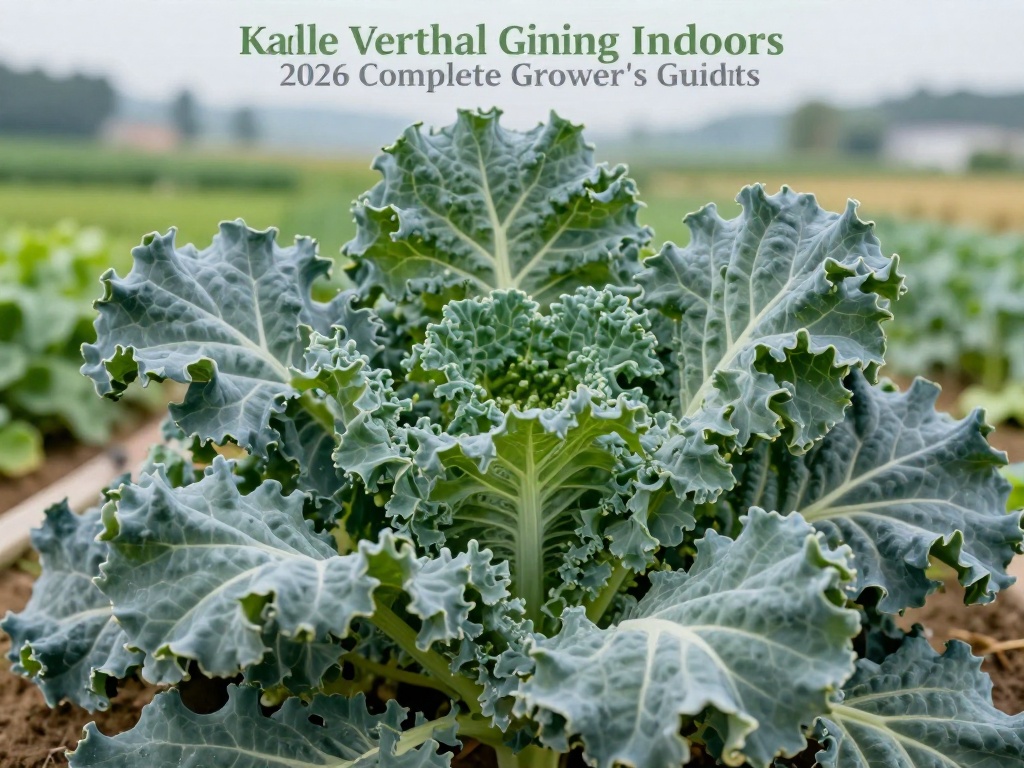
Kale Vertical Gardening Indoors: 2026 Complete Grower's Guide
Kale vertical gardening indoors transforms limited spaces into thriving green havens, offering fresh, nutrient-dense greens year-round regardless of outdoor conditions. This method combines space efficiency with kale's exceptional nutritional profile, making it ideal for urban dwellers, apartment residents, and anyone seeking fresh produce without a traditional garden. Whether you have a sunny windowsill, a small balcony, or an entire room dedicated to growing, vertical kale cultivation delivers impressive yields in minimal footprint. In this comprehensive 2026 guide, you'll discover exactly how to set up your indoor vertical kale garden for maximum success.
Why Choose Kale for Vertical Indoor Gardening
Kale stands out as one of the best vegetables for vertical gardening due to its compact root system, relatively shallow depth requirements, and continuous harvest potential. This hardy leafy green thrives under artificial lighting, adapts well to container environments, and produces multiple harvests from single plants when properly maintained. Indoor vertical kale gardens also sidestep common outdoor challenges like weather extremes, soil-borne diseases, and pest pressure that plague traditional garden beds.
Kale's Nutritional Powerhouse Status
One cup of fresh kale provides exceptional nutritional value, delivering more than 200% of your daily vitamin K needs, substantial vitamin C, and significant amounts of vitamin A, manganese, and copper. By growing kale vertically indoors, you gain convenient access to these superfood nutrients at peak freshness, often exceeding the nutritional content of store-bought produce that may travel hundreds of miles to reach your table. Fresh-harvest kale from your own vertical garden preserves delicate nutrients that degrade rapidly after harvest.
Essential Equipment for Indoor Vertical Kale Gardens
Successful kale vertical gardening indoors requires thoughtful equipment selection matched to your available space and budget. The right setup determines your yield potential and long-term growing success, making initial investments in quality systems worthwhile.
Vertical Growing Systems Compared
Multiple vertical configurations suit indoor kale cultivation, each offering distinct advantages. Tower gardens using hydroponic or soil-based systems maximize vertical space with rotating designs that ensure even light exposure. Wall-mounted pocket planters work excellently for compact spaces and allow flexible arrangement of individual kale plants. Stacking containers offer an accessible starting option, while trelis systems support larger plants with proper structural anchoring. Evaluate your space dimensions, light availability, and maintenance preferences when selecting your system.
Lighting Requirements for Indoor Kale Success
Kale requires 6-8 hours of direct light daily for optimal growth, making supplemental lighting essential for most indoor environments. Full-spectrum LED grow lights deliver excellent results while consuming minimal electricity, with red and blue wavelengths promoting vigorous vegetative growth. Position lights 12-18 inches above plant canopy, adjusting as seedlings develop into mature plants. Timer-controlled lighting systems automate photoperiod management, ensuring consistent daily light exposure that kale craves.
Step-by-Step Kale Vertical Gardening Setup Process
Follow this systematic approach to establish your indoor vertical kale garden with confidence and precision.
Selecting the Right Kale Varieties
Compact kale varieties perform best in vertical systems with limited root space. Dwarf blue curled kale reaches only 12-14 inches tall, making it ideal for tight vertical arrangements. Tuscan kale (also called lacinato or dinosaur kale) features narrower leaves that accommodate dense planting while delivering intense flavor. Red Russian kale offers attractive purple-tinged stems and excellent cold tolerance for indoor growing. These varieties resist bolting and maintain tender texture in indoor conditions.
Soil and Growing Medium Preparation
Kale thrives in rich, well-draining growing medium with pH between 6.0 and 7.0. Combine high-quality potting mix with aged compost in equal portions, adding perlite for improved drainage and moisture retention balance. For hydroponic vertical systems, use clay pebble media or coco coir that provides adequate root support while maintaining proper moisture levels. Avoid garden soil that may harbor pathogens and lacks necessary drainage for container cultivation.
Planting and Spacing Guidelines
Space kale plants 8-12 inches apart in vertical systems to accommodate mature foliage spread while preventing overcrowding. Plant seeds 1/4 inch deep in moist growing medium, maintaining consistent humidity until germination occurs within 5-10 days. Transplant seedlings to permanent vertical positions when they develop 4-6 true leaves, handling roots gently to minimize transplant shock. For continuous harvests, stagger planting intervals of 2-3 weeks between succession plantings.
Optimal Growing Conditions for Indoor Kale
Creating ideal environmental conditions ensures vigorous kale growth and maximizes your vertical garden's productivity throughout the growing season.
Temperature and Humidity Management
Kale prefers cooler temperatures ranging from 60-70°F (15-21°C), thriving in conditions slightly cooler than typical room temperature. Position vertical gardens away from heat sources like radiators or heating vents that create uneven temperatures. Maintain humidity levels between 40-60% to prevent fungal issues while avoiding excessive dryness that stresses plants. Grouping plants together naturally raises humidity through collective transpiration, benefiting overall garden health.
Watering and Nutrient Requirements
Keep kale growing medium consistently moist but never waterlogged, checking daily during active growth phases. Vertical systems may require more frequent watering than traditional containers due to increased drainage and airflow. Feed plants with balanced liquid fertilizer diluted to half-strength every 2-3 weeks during active growth. Kale benefits particularly from nitrogen-rich feeding that promotes lush, dark green foliage development.
Common Challenges and Troubleshooting
Even well-managed indoor kale gardens face occasional challenges that require quick identification and corrective action.
Preventing Leggy Growth and Pale Leaves
Insufficient light causes kale plants to stretch toward light sources, resulting in weak, leggy growth with pale coloration. Combat this by increasing light intensity, extending photoperiod duration, or repositioning plants closer to light sources. Pale leaves also indicate nitrogen deficiency, readily corrected through balanced fertilizer application. Evaluate lighting setup first when addressing growth issues, as this represents the most common indoor kale cultivation challenge.
Managing Pests in Indoor Environments
While indoor gardens face fewer pest pressures than outdoor growing, aphids, spider mites, and whiteflies may still colonize kale plants. Inspect new plants thoroughly before introducing them to your vertical garden to prevent pest introduction. Maintain good air circulation, avoid overwatering, and promptly remove affected leaves to manage minor infestations naturally. Insecticidal soap applications provide effective organic control for most common indoor kale pests.
Harvesting and Maintaining Your Vertical Kale Garden
Proper harvesting techniques maximize yields while promoting continuous production from your indoor kale plants throughout their growing cycle.
Harvesting Techniques for Maximum Yield
Begin harvesting outer kale leaves when plants reach 8-10 inches tall, typically 55-75 days from planting. Cut or snap individual leaves from the bottom of each plant, leaving the central growing point intact for continued production. Harvest no more than one-third of each plant at once to maintain vigor and prevent stress. Regular harvesting stimulates new growth and extends the productive life of each kale plant to several months.
Extending Your Growing Season
Indoor vertical gardens enable year-round kale production that outdoor gardens cannot match. Rotate plants through productive and rest phases to maintain continuous harvest supply. Replace spent plants every 3-4 months with fresh seedlings started from your most vigorous performers. Clean and sanitize vertical systems between plantings to prevent disease buildup and maintain optimal growing conditions.
Advanced Techniques for Vertical Kale Success
Hydroponic Vertical Growing Systems
Hydroponic vertical gardens deliver exceptional kale yields through precise nutrient delivery and optimized root zone conditions. Deep water culture and nutrient film technique systems work particularly well for leafy greens like kale. Monitor electrical conductivity (EC) levels to maintain proper nutrient concentrations, typically ranging from 1.4-2.0 mS/cm for kale in hydroponic culture. These systems reduce water consumption by 90% compared to traditional soil-based growing.
Companion Planting in Vertical Systems
Maximize your vertical garden's productivity by pairing kale with complementary plants that share similar growing requirements. Herbs like basil, cilantro, and mint thrive alongside kale while potentially deterring pests through their aromatic compounds. Shade-tolerant greens like spinach and lettuce make excellent vertical companions, occupying different canopy levels while sharing light and nutrient resources efficiently.
FAQ: Kale Vertical Gardening Indoors
What are the best kale varieties for indoor vertical gardening?
Dwarf blue curled kale, Tuscan kale (lacinato), and Red Russian kale represent the top choices for indoor vertical systems. These compact varieties tolerate container growing, adapt well to artificial lighting, and produce tender foliage in limited root space. Dwarf varieties prove especially suitable for tight vertical arrangements where mature plant size must remain controlled.
How much light does indoor kale need daily?
Kale requires 6-8 hours of direct light daily for healthy growth and maximum nutrient density. Full-spectrum LED grow lights positioned 12-18 inches above plants deliver adequate illumination for most indoor settings. Without sufficient light, kale plants become leggy, pale, and develop poor flavor. Consider timer-controlled lighting to ensure consistent daily exposure without manual intervention.
What is the ideal temperature for growing kale indoors?
Kale thrives in temperatures between 60-70°F (15-21°C), preferring the cooler end of this range for best results. Indoor environments often run warmer than optimal, so position vertical gardens away from heat sources and consider using grow lights that generate less heat. Good air circulation helps moderate temperatures while preventing fungal issues that develop in stagnant conditions.
How often should I water kale in a vertical garden?
Check vertical kale gardens daily during active growth, watering when the top inch of growing medium feels dry to the touch. Vertical systems typically require watering every 1-3 days depending on temperature, humidity, and system type. Hydroponic systems need less frequent attention but require regular monitoring of water levels and nutrient concentrations. Consistent moisture without waterlogging produces the best results.
How long does kale take to grow indoors from seed?
Kale typically reaches harvestable size within 55-75 days from seed germination under optimal indoor conditions. Seedlings emerge within 5-10 days, developing transplantable size (4-6 true leaves) around 3-4 weeks. Full maturity and peak production occur between 8-12 weeks depending on variety and growing conditions. Hydroponic systems often accelerate growth by 20-30% compared to traditional soil cultivation.
What common mistakes should beginners avoid with indoor kale?
Beginners most commonly fail by providing insufficient light, overwatering, or harvesting too aggressively from young plants. Avoid placing kale in low-light areas expecting it to thrive, and resist the temptation to harvest more than one-third of the plant at once. Starting with quality seedlings rather than seeds accelerates your first harvest while building confidence in vertical growing techniques.
Vertical kale gardening indoors represents one of the most rewarding approaches to year-round food production, combining space efficiency with exceptional nutritional value. By following the systematic guidance in this 2026 guide, you can establish a thriving vertical kale garden that provides fresh, organic greens from your own home regardless of outdoor conditions or available space.
No comments