
Thyme Container Gardening in Full Sun: 2026 Complete Guide
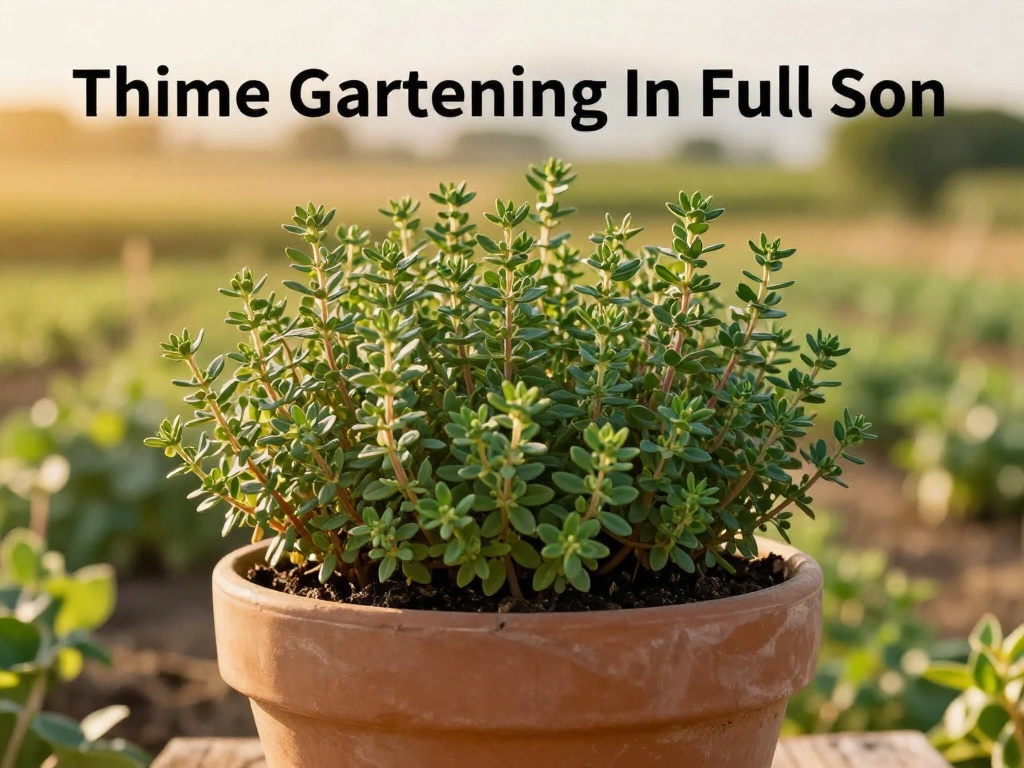
Thyme Container Gardening in Full Sun: 2026 Complete Guide
Thyme container gardening in full sun offers one of the most rewarding experiences for both novice and experienced gardeners. This Mediterranean herb thrives in hot, dry conditions and produces fragrant, flavorful foliage that enhances countless culinary dishes. Whether you have a small balcony, sunny patio, or limited garden space, growing thyme in containers delivers fresh herbs within arm's reach throughout the growing season.
Why Choose Thyme for Container Gardening
Thyme stands out as an ideal container plant for several compelling reasons. This hardy perennial requires minimal maintenance once established, making it perfect for busy gardeners. The plant's compact growth habit suits containers of various sizes, and its drought tolerance means it forgives occasional neglect.
Benefits of Growing Thyme in Containers
- Portability allows moving plants to optimal sun positions
- Better drainage prevents root rot in wet climates
- Controlled growing medium suits thyme's preferred conditions
- Fresh harvest availability steps from your kitchen door
- Protection from garden pests and soil-borne diseases
Selecting the Right Container for Thyme
Choosing appropriate containers significantly impacts your thyme container gardening success. Terra cotta pots offer excellent drainage and breathability, mimicking thyme's natural Mediterranean habitat. However, plastic, fiberglass, and wooden containers also work effectively when proper drainage holes are provided.
Container Size and Drainage Requirements
Select containers at least 8-12 inches in diameter and 6-8 inches deep to accommodate thyme's root system. Ensure your chosen pot has multiple drainage holes spaced evenly across the bottom. Elevated pots or those with built-in feet prevent water from pooling beneath the container.
Best Container Materials for Thyme
- Terra cotta: Porous surface promotes air circulation and moisture evaporation
- Glazed ceramic: Retains moisture while offering attractive aesthetics
- Plastic: Lightweight and affordable, excellent for beginners
- Wood: Natural appearance blends with garden settings
Essential Soil Mix for Thyme in Containers
Thyme demands well-draining soil that mimics its native rocky Mediterranean slopes. Regular garden soil compacts easily in containers and retains excessive moisture, leading to root rot. Create an optimal growing medium by combining specific ingredients in proper proportions.
Recommended Soil Recipe
Mix two parts high-quality potting soil with one part coarse sand or perlite. Add a handful of crushed limestone or oyster shells to raise pH slightly toward alkaline conditions. This combination provides excellent drainage while retaining sufficient moisture for healthy growth.
Understanding Thyme's Soil Preferences
Thyme thrives in soil with pH between 6.0 and 8.0, preferring the slightly alkaline range. The plant tolerates poor, rocky soil better than rich, heavy soil. Avoid over-amending with compost or nitrogen-rich fertilizers, as this produces lush foliage with diminished flavor concentration.
Planting Thyme: Step-by-Step Instructions
Proper planting techniques establish your thyme container gardening for long-term success. Whether starting from seeds, cuttings, or nursery transplants, correct procedures ensure healthy root development and vigorous growth.
When and How to Plant
Plant thyme outdoors after all frost danger passes and soil temperatures reach 60°F (15°C). Fill your container with the prepared soil mix, leaving one inch below the rim. For nursery plants, gently remove from the pot and loosen the root ball before placing in the center. Backfill with soil, firming gently around the base. Water thoroughly until moisture drains from the bottom.
Starting from Seeds vs. Transplants
- Seeds: Slow to germinate (14-28 days), requires patience and consistent moisture
- Cuttings: Quicker establishment, identical characteristics to parent plant
- Nursery transplants: Immediate results, most reliable method for beginners
Caring for Thyme in Full Sun Conditions
Full sun exposure—minimum six to eight hours of direct sunlight daily—produces the most flavorful thyme with concentrated essential oils. Position your containers where they receive unfiltered afternoon sun for optimal aromatic compound development.
Watering Guidelines for Container Thyme
Allow soil to dry completely between waterings, then water deeply until excess drains from the bottom. Intense summer heat, containers may require daily watering, while cooler periods need water only every few days. Overwatering remains the most common mistake in thyme container gardening, causing yellowing leaves and root decay.
Fertilizing Container Thyme
Thyme requires minimal feeding compared to hungrier vegetables. Apply diluted balanced fertilizer (10-10-10) once monthly during the growing season only if growth appears sluggish. Organic options like fish emulsion or seaweed extract provide gentle nutrition without overwhelming the plant.
Harvesting and Pruning Thyme
Regular harvesting encourages bushy, compact growth while providing fresh culinary herbs. Understanding proper harvest timing and techniques maximizes both yield and plant longevity.
Best Practices for Harvesting
Begin harvesting once plants establish strong growth, typically four to six weeks after planting. Cut stems in the morning after dew dries but before afternoon heat concentrates essential oils. Harvest no more than one-third of the plant at once, cutting just above a leaf node to encourage branching.
Pruning for Longevity
Prune thyme container gardening plants each spring before new growth emerges. Remove woody stems and trim back leggy growth to maintain compact shape. This annual pruning prevents the center of the plant from becoming too woody and extends productive years.
Overwintering Thyme in Containers
Thyme survives winter outdoors in mild climates but requires protection in colder regions. Understanding overwintering techniques ensures your perennial herb returns year after year.
Winter Care Strategies
- Move containers to sheltered locations protected from harsh winds
- Reduce watering significantly during dormant winter months
- Mulch heavily around container bases with straw or shredded bark
- Consider moving plants to unheated garages or cold frames
Common Problems and Solutions
Even with proper care, thyme container gardening may encounter occasional issues. Early identification and appropriate response prevent minor problems from becoming serious.
Troubleshooting Guide
Yellow leaves: Usually indicates overwatering; allow soil to dry thoroughly before watering again.
Leggy growth: Insufficient light or excessive nitrogen; move to sunnier location and reduce fertilizer.
Root rot: Caused by poor drainage; repot immediately into fresh, dry soil and trim affected roots.
Wilting despite moist soil: May indicate root-bound conditions; transplant into a larger container.
Best Thyme Varieties for Container Gardening
Several thyme varieties excel in container conditions, each offering unique flavors and growing characteristics. Selecting appropriate varieties ensures your thyme container gardening meets your culinary and aesthetic preferences.
Recommended Varieties
- English thyme: Classic culinary variety with strong flavor
- Lemon thyme: Citrus-scented leaves brighten fish and poultry dishes
- Creeping thyme: Ornamental variety suitable for hanging baskets
- Orange thyme: Subtle citrus notes with orange undertones
- Woolly thyme: Fuzzy silver leaves, primarily ornamental
Companion Planting with Thyme in Containers
Thyme makes an excellent companion plant for various herbs and vegetables grown in containers. Its aromatic properties repel certain pests while attracting beneficial pollinators.
Compatible Container Companions
Pair thyme with other Mediterranean herbs sharing similar growing requirements: rosemary, oregano, sage, and lavender thrive together in full sun with minimal watering. Vegetable companions include tomatoes, eggplant, and peppers, which benefit from thyme's pest-repelling properties.
Frequently Asked Questions
How often should I water thyme in containers during summer?
During hot summer months, thyme in containers typically requires watering every one to two days. However, always check soil moisture by inserting your finger one inch deep—if dry, water thoroughly until it drains from the bottom. Morning watering allows excess moisture to evaporate, reducing fungal disease risk.
Can thyme survive indoors with only window light?
Thyme grows best outdoors in full sun but can survive indoors near south-facing windows receiving at least six hours of direct sunlight. Supplemental grow lights improve indoor success significantly. Place plants within 12 inches of artificial lights running 12-14 hours daily for optimal growth.
What is the ideal temperature range for thyme container gardening?
Thyme thrives in temperatures between 60°F and 80°F (15-27°C). The plant tolerates heat exceeding 90°F (32°C) when adequately watered and tolerates light frost. Most importantly, thyme requires protection from prolonged freezing temperatures, which damage roots in above-ground containers.
How long does it take to grow harvestable thyme from planting?
Nursery transplants produce harvestable thyme within three to four weeks of planting. Seed-grown thyme requires 12-16 weeks before the first harvest. Once established, continuous harvesting throughout the growing season encourages abundant regrowth and extends the productive life of each plant.
Do I need to worry about pests affecting container thyme?
Thyme's aromatic oils naturally repel many common garden pests, including cabbage worms, tomato hornworms, and flea beetles. Occasional aphids or spider mites may appear, particularly on indoor plants. Spray affected areas with strong water jets or apply insecticidal soap for organic control.
What is the cost and effort level for thyme container gardening?
Thyme container gardening ranks among the most affordable and low-effort herb gardening options. Initial costs include a container ($5-15), potting soil ($5-10), and nursery plant ($4-8). Ongoing expenses are minimal since thyme requires no fertilizer in quality soil and minimal watering. The effort involves only occasional watering, light harvesting, and annual pruning.
Can I grow multiple thyme varieties together in one large container?
Yes, multiple thyme varieties thrive together in larger containers measuring at least 18 inches diameter. Combine upright varieties like English thyme with trailing types such as creeping thyme for visual interest. Ensure adequate spacing—plants should sit at least six inches apart to allow air circulation and prevent overcrowding.
When should I repot thyme to prevent root binding?
Repot thyme every one to two years in early spring before active growth resumes. Signs indicating the need for repotting include roots emerging from drainage holes, water running straight through without absorption, and stunted growth despite adequate care. Move plants to containers two inches larger in diameter than current pots.
No comments