
How to Grow Onions in Container Gardening Shade | 2026 Guide
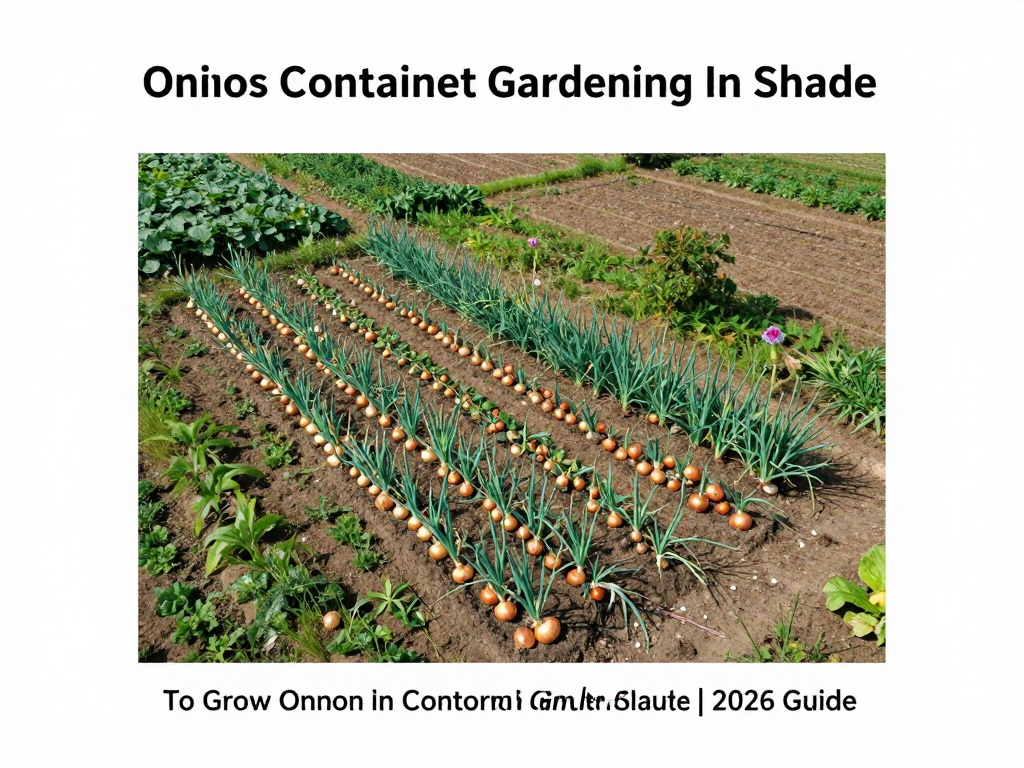
How to Grow Onions in Container Gardening Shade | 2026 Guide
Container gardening has revolutionized how urban dwellers and space-limited gardeners grow their own food. The good news for those working with limited sunlight is that onions container gardening in shade is entirely achievable with the right approach. Onions are surprisingly adaptable vegetables that can thrive in partial shade conditions, making them perfect candidates for balconies, covered patios, and north-facing gardens. This comprehensive guide will walk you through everything you need to know about successfully cultivating onions in containers, even in low-light environments.
Understanding Onion Light Requirements for Container Growing
Before diving into your container gardening journey, it is essential to understand how much light onions actually need. While full sun produces the largest bulbs, onions tolerate partial shade remarkably well. They require minimum 4-6 hours of direct sunlight daily, but they can still develop decent bulbs with less. The key lies in choosing the right varieties and optimizing your growing conditions to compensate for reduced light exposure.
Why Shade-Tolerant Onions Exist
Onions originated in regions with varying climates, which led to the development of different cultivars with diverse light tolerances. Some varieties evolved to perform better under tree canopy or in regions with frequent cloud cover. These genetic adaptations make certain onion types more suitable for container gardening in shade conditions.
Signs Your Onions Need More Light
Watch for yellowing leaves that appear weak and leggy growth stretching toward light sources. Bulbs that remain small or fail to develop properly also indicate insufficient light. If you notice these symptoms, consider moving containers to brighter locations or supplementing with grow lights designed for vegetable cultivation.
Best Onion Varieties for Container Gardening in Shade
Selecting the appropriate onion variety determines your success rate in shaded container environments. Short-day and day-neutral varieties typically perform better in low-light conditions compared to long-day types. Here are the top recommendations for shade-tolerant onion cultivation.
Short-Day Onion Varieties
Short-day onions begin bulb formation when daylight reaches 10-12 hours, making them ideal for southern regions and shaded growing spaces. 'Yellow Granex', 'Texas Grano 1015Y', and 'Southern Belle' mix deliver excellent results in containers with limited sun exposure. These varieties mature quickly and produce sweet, medium-sized bulbs perfect for culinary use.
Day-Neutral Onion Varieties
Day-neutral onions offer the most flexibility for container gardening in shade regardless of your geographic location. 'Candy', 'Super Star', and 'Expression' consistently perform well in partial shade conditions. These varieties form bulbs consistently without being triggered by specific day lengths, ensuring reliable harvests even with inconsistent lighting.
Scallion and Bunching Onions
If bulb formation proves challenging in your shaded space, scallions and bunching onions provide an excellent alternative. 'Evergreen Long White', 'Nego' bunching onions, and 'Red Beard' scallions thrive in partial shade and mature rapidly. These varieties focus energy on green top growth rather than bulb development, making them perfect for continuous harvesting in low-light environments.
Choosing the Right Containers for Onion Cultivation
Container selection significantly impacts onion development, especially when growing in shaded conditions. The right container provides adequate root space, proper drainage, and optimal soil temperature regulation. Onions need sufficient depth for bulb formation while maintaining proper air circulation around the foliage.
Container Size and Depth Requirements
Onions require containers at least 6-8 inches deep for proper bulb development, with 8-10 inches being ideal. Width depends on how many onions you plan to grow, but allow 3-4 inches of space between each plant. Shallow containers restrict bulb growth and result in misshapen or stunted harvests. Plastic, ceramic, and fabric grow bags all work effectively for onion cultivation.
Drainage Considerations for Shaded Growing
Shaded containers retain moisture longer than those in full sun, making drainage critical. Select containers with multiple drainage holes to prevent waterlogging and root rot. Elevate containers slightly using pot feet or bricks to ensure excess water escapes freely. Consider adding a layer of gravel or broken pottery at the bottom to improve drainage efficiency.
Essential Soil Mix for Shade-Grown Container Onions
The right soil mixture compensates for reduced light by providing optimal nutrients and drainage. Container soil must balance moisture retention with proper aeration, especially in shaded locations where evaporation rates are lower. Commercial potting mixes work well, but creating your own blend often yields better results for onion cultivation.
Recommended Soil Composition
Mix equal parts high-quality potting soil, aged compost, and perlite or coarse sand for optimal onion growing medium. This combination provides essential nutrients while ensuring excellent drainage and root aeration. Add a handful of organic bone meal to support healthy bulb development. The mixture should feel light and crumbly, never compacted or soggy.
Nutrient Requirements for Shaded Growth
Onions grown in shade require slightly different nutrient management than those in full sun. Reduce nitrogen applications as excessive foliage growth occurs without corresponding bulb development in low light. Maintain balanced phosphorus and potassium levels to encourage root and bulb formation instead. Consider slow-release organic fertilizers that provide consistent nutrition throughout the growing season.
Step-by-Step Planting Process for Container Onions
Proper planting technique sets the foundation for successful onion container gardening in shade. Whether starting from seeds, sets, or transplants, following correct procedures maximizes your chances of a bountiful harvest despite limited sunlight exposure.
Starting from Onion Sets
Onion sets provide the easiest and most reliable method for container gardening beginners. Plant sets 2-3 inches apart, burying them just deep enough to cover the top of the bulb. Position sets with the pointed end facing upward and roots downward. Water thoroughly after planting and maintain consistent moisture without overwatering.
Starting from Seeds
Growing onions from seeds in containers requires patience but offers greater variety selection. Sow seeds ¼ inch deep in rows, keeping soil consistently moist until germination. Thin seedlings to 3-4 inches apart once they reach 4-6 inches tall. Seeds take 10-14 days to germinate, and full maturity requires 90-120 days depending on variety.
Transplanting Seedlings
Transplanting onion seedlings from seed trays works well for advanced gardeners seeking specific varieties. Handle seedlings carefully, disturbing roots as little as possible. Plant at the same depth they grew in their original containers, firming soil gently around each plant. Water immediately after transplanting and maintain shade protection for the first week.
Watering Strategies for Shaded Container Onions
Water management becomes particularly crucial when growing onions in shaded container environments. Reduced evaporation combined with slower plant uptake creates conditions favorable for overwatering. Developing appropriate watering habits prevents common problems while ensuring optimal growth.
Determining When to Water
Check soil moisture by inserting your finger 2 inches into the soil. Water only when the top inch feels dry to the touch. Shaded containers typically require watering 2-3 times per week compared to daily watering in full sun. During humid or rainy periods, you may need to water even less frequently.
Proper Watering Techniques
Water slowly and deeply, allowing moisture to penetrate the entire root zone. Avoid wetting onion foliage, which promotes fungal diseases in humid shaded conditions. Morning watering allows excess moisture to evaporate throughout the day, reducing disease pressure. Consider using self-watering containers or moisture-retention crystals to stabilize water availability.
Managing Pests and Diseases in Shaded Conditions
Shaded container environments present unique pest and disease challenges that require proactive management strategies. Lower light conditions combined with increased humidity create favorable environments for various problems. Understanding these challenges helps you prevent and address issues before they compromise your harvest.
Common Pests Affecting Container Onions
Onion thrips, aphids, and onion flies target onion plants regardless of growing method. Inspect plants regularly, checking under leaves and around the soil line for signs of infestation. Remove pests manually when possible, and apply organic insecticidal soaps for larger problems. Floating row covers provide additional protection without blocking light.
Disease Prevention in Low-Light Environments
Fungal diseases thrive in moist, shaded conditions, making prevention essential for container onion success. Ensure adequate spacing between plants for air circulation. Remove any yellowing or dead foliage promptly. Apply organic fungicides preventatively during extended wet periods. Avoid overhead watering and maintain proper drainage at all times.
Maximizing Growth in Limited Light Conditions
While you cannot change your available sunlight, strategic techniques can maximize the light your onions receive. These optimization strategies prove particularly valuable for gardeners working with heavily shaded spaces or north-facing growing areas.
Light Enhancement Techniques
Position containers near light-reflecting surfaces such as white walls, mirrors, or aluminum foil barriers. These reflective surfaces bounce additional light onto your plants throughout the day. Move containers periodically to track available light as sun patterns shift seasonally. Consider temporary repositioning to follow bright spots throughout your space.
Grow Light Supplementation
Supplemental LED grow lights effectively compensate for natural light deficiencies in shaded growing areas. Position lights 6-12 inches above onion foliage and run them for 10-12 hours daily to simulate full sun conditions. Full-spectrum LED lights designed for vegetable growth provide the most effective supplementation. Even modest grow light setup dramatically improves onion bulb development.
Harvesting and Storing Container-Grown Onions
Knowing when and how to harvest ensures you enjoy the full rewards of your container gardening efforts. Proper harvesting timing and post-harvest handling preserve your onions for extended storage and continued culinary enjoyment.
Signs of Maturity
Onions are ready for harvest when their tops yellow and begin to fall over naturally. This indicates the plant has completed bulb formation and is transitioning to dormancy. For scallions and bunching onions, begin harvesting when plants reach pencil thickness. Bulb onions typically mature 90-150 days after planting, depending on variety.
Curing and Storage Guidelines
Cure harvested bulbs by spreading them in a dry, well-ventilated area away from direct sunlight for 2-3 weeks. Once outer skins become papery and necks dry completely, trim tops to 1 inch and store in cool, dry conditions. Properly cured onions keep for 3-6 months in storage, while scallions are best used immediately after harvest.
FAQ: Onions Container Gardening in Shade
Can onions really grow in shade containers?
Yes, onions can successfully grow in containers placed in shaded areas. While they prefer full sun, many varieties tolerate partial shade with only minimal reduction in bulb size. Short-day and day-neutral varieties perform particularly well in low-light conditions, producing usable harvests even with limited direct sunlight.
What is the minimum sunlight onions need in containers?
Container-grown onions need minimum 4-6 hours of direct sunlight daily for acceptable results. However, they can survive with as little as 3-4 hours if given supplemental lighting or positioned near reflective surfaces. Less than 3 hours of sunlight will result in poor bulb development and excessive leaf growth.
Which onion varieties grow best in shade for beginners?
Day-neutral varieties like 'Candy' and 'Super Star' offer the easiest success for beginners in shaded conditions. Bunching onions such as 'Evergreen Long White' provide quick harvests with minimal light requirements. These forgiving varieties tolerate inconsistent care and still produce reliable results.
How deep should containers be for growing onions in shade?
Onion containers need minimum 6-8 inches depth for adequate root and bulb development. For optimal results, use containers 8-10 inches deep. Wider containers allow you to grow multiple plants, but ensure at least 3-4 inches spacing between each onion for proper bulb formation.
Why are my container onions not forming bulbs?
Insufficient light is the most common cause of poor bulb formation in container onions. Other factors include overwatering, excessive nitrogen fertilization, temperature stress, and planting too deeply. Evaluate your growing conditions and consider supplemental lighting or moving containers to brighter locations.
How long does it take to grow onions in containers?
Container-grown onions typically require 90-150 days from planting to harvest depending on variety. Sets mature fastest, usually ready in 60-90 days. Seeds take longest, requiring 120-150 days. Scallions and bunching onions provide the quickest harvest, often ready within 60-70 days of planting.
No comments