
Garlic Organic Gardening in Small Spaces: 2026 Guide
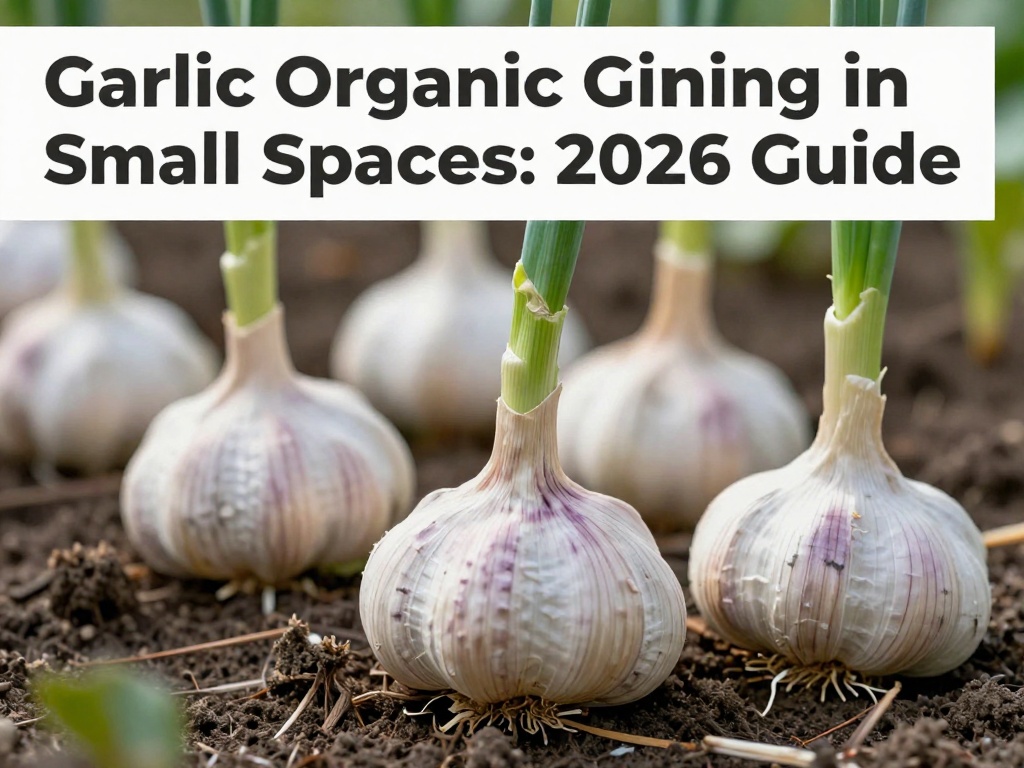
Garlic Organic Gardening in Small Spaces: 2026 Complete Guide for Urban Growers
Garlic organic gardening in small spaces has become increasingly popular among urban growers who want fresh, chemical-free bulbs without requiring a large backyard. Whether you have a sunny balcony, a compact patio, or limited garden beds, you can successfully cultivate delicious garlic using organic methods. This comprehensive guide provides step-by-step instructions specifically designed for beginners and experienced gardeners working with constrained areas.
Growing garlic organically in containers and small gardens offers numerous benefits beyond just harvest. You control the growing environment, eliminate exposure to synthetic pesticides, and enjoy unmatched freshness compared to store-bought alternatives. Let's explore everything you need to know about achieving a bountiful garlic harvest in 2026, regardless of your available space.
Why Choose Garlic for Small Space Organic Gardening
Garlic ranks among the most rewarding crops for small space gardeners due to its compact growth habit and high value per square foot. A single garlic plant produces one complete bulb containing 8-12 individual cloves, making efficient use of limited planting areas. Additionally, garlic serves multiple purposes in the garden as a natural pest deterrent, helping protect nearby vegetables from aphids, spider mites, and other common pests.
Space Efficiency and Yield Comparison
When planning garlic organic gardening in small spaces, understanding the space-to-yield ratio helps maximize your harvest. A standard 12-inch container comfortably holds 4-6 garlic plants, producing approximately 2-3 pounds of fresh bulbs per square foot annually. This remarkable productivity makes garlic ideal for apartment balconies, windowsills, and raised beds where every inch matters.
Companion Planting Benefits
Garlic excels as a companion plant, naturally repelling pests that commonly affect tomatoes, peppers, and brassicas. Interplanting garlic among your vegetables creates a protective barrier while utilizing vertical space effectively. Many small-space gardeners integrate garlic along container edges or raised bed borders, achieving dual benefits of pest management and culinary harvest.
Best Garlic Varieties for Containers and Small Gardens
Selecting the appropriate garlic variety significantly impacts your success when practicing organic gardening in limited spaces. Hardneck varieties produce fewer but larger cloves with complex flavors, while softneck varieties offer excellent storage capabilities and compact growth habits suitable for containers.
Top Hardneck Varieties for Small Spaces
- Porcelain Garlic - Features 4-6 large cloves per bulb with robust flavor; excellent cold hardiness makes it perfect for northern climates
- Rocambole Garlic - Known for rich, complex taste with easy-to-peel cloves; produces scapes that add culinary versatility
- Purple Stripe Garlic - Offers stunning purple-blistered bulbs with exceptional flavor complexity for gourmet cooking
Top Softneck Varieties for Containers
- California Early - Compact growth habit ideal for containers; excellent adaptability to various climates
- Silverskin Garlic - Longest storage duration among all varieties; produces many cloves per bulb
- Artichoke Garlic - Reliable producer with mild flavor; tolerates warmer climates successfully
Step-by-Step Planting Guide for Small Space Garlic
Successful garlic organic gardening in small spaces begins with proper planting technique. Timing and preparation directly influence bulb development and final harvest quality. Follow this methodical approach for optimal results in containers and limited garden areas.
Timing Your Planting
Plant garlic 4-6 weeks before your region's first expected hard frost. This timing allows roots to establish before winter dormancy while preventing premature sprouting. In most temperate regions, October planting yields July harvests. Southern gardeners in zones 8-9 may plant in late winter or early spring for summer harvest.
Preparing Garlic Cloves for Planting
Select the largest, healthiest cloves from your seed garlic, reserving smaller cloves for cooking. Carefully separate individual cloves from the bulb without damaging the basal plate where roots emerge. Soak cloves in a solution of water and baking soda (1 tablespoon per quart) for 2 hours before planting to prevent fungal issues and accelerate germination.
Planting Depth and Spacing
Plant cloves pointed-end up at a depth of 2-3 inches in containers and small beds. Maintain 4-6 inch spacing between cloves in all directions. In raised beds, position cloves in triangular patterns to maximize planting density while ensuring adequate air circulation. Firm soil gently around each clove to eliminate air pockets that can cause rotting.
Container Selection and Space Requirements
Choosing appropriate containers significantly impacts root development and overall plant health in small space garlic cultivation. The right vessel provides adequate depth for bulb formation while maintaining proper drainage and soil volume.
Ideal Container Dimensions
Select containers with minimum depth of 8-10 inches to accommodate garlic's root system and allow proper bulb formation. Width and length should permit recommended spacing while fitting your available area. Standard 5-gallon buckets, fabric grow bags, and rectangular planters all work excellently for small space garlic organic gardening.
Drainage Requirements
Proper drainage prevents waterlogging that causes bulb rot and fungal diseases. Ensure containers have multiple drainage holes totaling at least 1 inch diameter per square foot of bottom area. Elevate containers on pot feet or bricks to promote water escape. Consider adding a 1-inch gravel layer at container bottoms for improved drainage in organic growing media.
Organic Soil Mix and Fertilization
Creating the optimal growing medium represents a critical factor in small space garlic organic gardening success. Garlic thrives in loose, well-draining soil rich in organic matter with slightly alkaline pH between 6.0 and 7.5.
DIY Organic Potting Mix Recipe
Combine equal parts of quality compost, coconut coir or peat moss, and perlite or coarse sand for an excellent garlic growing medium. Add 1 cup of organic bone meal and 1/2 cup of green sand per cubic foot of mix to provide essential phosphorus and potassium. This nutrient-rich blend supports healthy root development and bulb formation throughout the growing season.
Organic Fertilization Schedule
Feed garlic plants monthly with organic liquid fertilizer high in nitrogen during early growth stages. Transition to phosphorus-rich organic fertilizers like fish emulsion or kelp meal once bulbing begins. Top-dress containers with compost tea every 3-4 weeks to maintain soil biology and nutrient availability throughout the organic gardening cycle.
Watering and Maintenance for Container Garlic
Proper moisture management proves essential for successful garlic organic gardening in small spaces. Containers dry out faster than ground beds, requiring adjusted watering schedules that maintain consistent but not waterlogged soil conditions.
Watering Best Practices
Water deeply when the top 2 inches of soil feel dry, typically every 3-5 days depending on climate and container size. Apply water directly to soil surface, avoiding foliage to prevent fungal diseases. Reduce watering frequency as plants approach maturity, allowing soil to dry partially between waterings during the final 2-3 weeks before harvest.
Mulching for Moisture Retention
Apply 2-3 inches of organic mulch such as straw, shredded leaves, or grass clippings around container plants. Mulching reduces evaporation, moderates soil temperature fluctuations, and suppresses weed competition. In small space gardens where containers may be grouped together, mulch also helps maintain consistent moisture levels across multiple vessels.
Harvesting and Curing Your Organic Garlic
Knowing when and how to harvest dramatically affects garlic flavor, storage capability, and overall quality. Proper curing prepares bulbs for long-term storage, ensuring you enjoy your small space harvest for months after picking.
Identifying Harvest Readiness
Garlic becomes ready for harvest when lower leaves turn brown while upper leaves remain green. Typically, this occurs 8-9 months after planting. In 2026, most gardeners in temperate zones will harvest during July or August. Resist the temptation to harvest early; immature bulbs do not cure properly and have reduced storage life.
Curing Process for Maximum Storage Life
Hang harvested garlic in bundles or spread on screens in a dry, well-ventilated area away from direct sunlight. Maintain temperatures between 60-75°F with humidity below 60% during the 2-3 week curing period. Bulbs are properly cured when outer skins become papery and the neck tightens. Store cured garlic in mesh bags or braided strings in cool, dark locations.
Troubleshooting Common Small Space Garlic Problems
Even with careful attention, challenges occasionally arise in container garlic cultivation. Understanding common issues helps you identify and resolve problems quickly, salvaging your organic harvest when possible.
Fungal Diseases and Prevention
White rot, botrytis, and rust represent the most common fungal issues affecting small space garlic. Prevent fungal problems by ensuring adequate spacing, proper drainage, and good air circulation. Avoid overhead watering and remove any affected plants immediately to prevent spread. Organic copper fungicides provide treatment options for established infections.
Pest Management in Organic Systems
Garlic generally resists pests well, but thrips, nematodes, and bulb mites can occasionally affect container plants. Inspect cloves before planting and remove any damaged specimens. Introduce beneficial insects like ladybugs to control aphid populations. Neem oil sprays offer organic control for most common garlic pests without harming beneficial pollinators.
Frequently Asked Questions
Can I grow garlic successfully in apartments without outdoor space?
Yes, garlic thrives on sunny windowsills receiving 6-8 hours of direct sunlight daily. South-facing windows provide optimal light exposure. Supplement natural light with grow lights during winter months if needed. Ensure containers have proper drainage to prevent moisture damage to window sills and indoor surfaces.
What are the biggest mistakes beginners make when growing garlic in small spaces?
Common errors include planting too shallow (cloves should be 2-3 inches deep), overwatering which causes rot, planting supermarket garlic that may be treated with growth inhibitors, and harvesting too early before bulbs fully mature. Additionally, many beginners neglect fertilization, assuming container soil contains sufficient nutrients for the entire growing season.
When is the optimal time to plant garlic in containers?
For most temperate regions, plant garlic 4-6 weeks before your first expected hard frost in fall. This typically means October in northern areas and November in milder climates. Spring planting works in warm regions but produces smaller bulbs. Some gardeners in mild climates successfully plant garlic in early spring for summer harvest.
How much does it cost to start organic garlic gardening in small spaces?
Starting costs range from $15-40 depending on container choices and whether you purchase seed garlic. Reusable fabric grow bags cost $10-20 each and last multiple seasons. Quality organic potting mix runs $8-15 per bag. Seed garlic (organic bulbs for planting) costs $8-15 per pound. Most gardeners recover their investment with their first successful harvest.
How long does it take to grow garlic from planting to harvest?
Garlic requires 8-9 months from planting to harvest readiness, making it a long-season crop. Softneck varieties typically mature 1-2 weeks earlier than hardneck types. The waiting period rewards patient gardeners with substantial harvests. During this time, you'll only need 15-20 minutes weekly for maintenance tasks like watering and monitoring.
What yield can I expect from growing garlic in containers?
A well-maintained 12-inch container typically produces 4-6 full-sized bulbs containing 40-60 cloves total. Each clove planted yields approximately one replacement bulb. Experienced small space gardeners report harvesting 2-3 pounds of garlic per square foot of container space annually, more than sufficient for most households' culinary needs.
No comments