
2026 Guide to Pumpkin Organic Gardening in Hot Climates
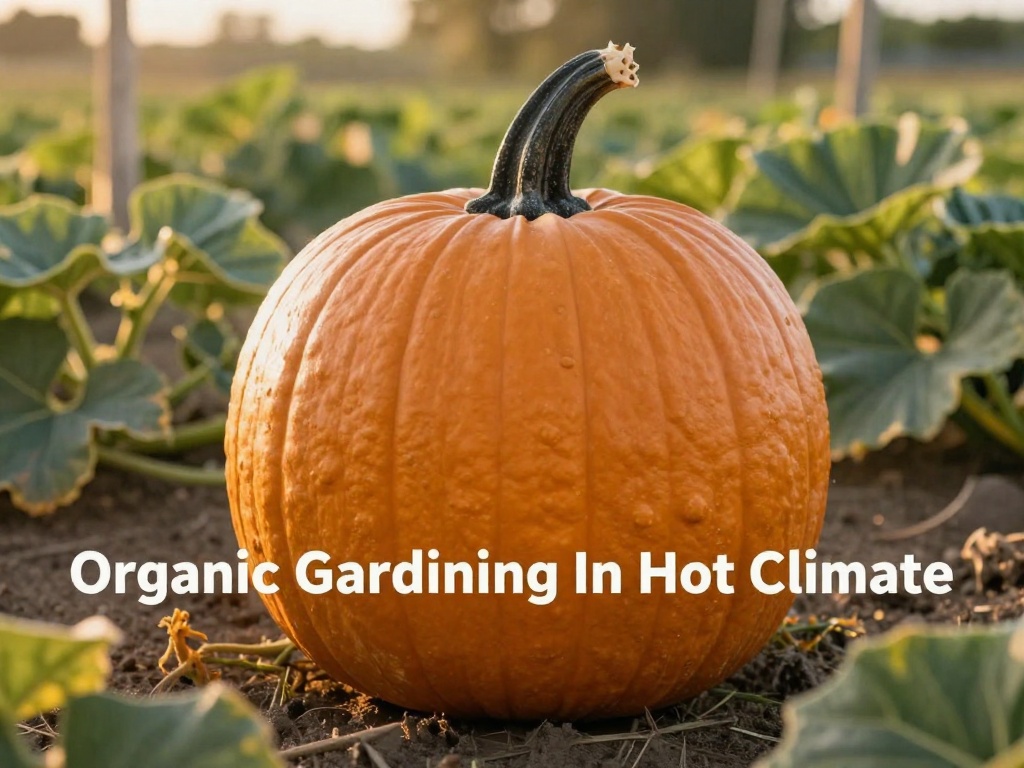
2026 Guide to Pumpkin Organic Gardening in Hot Climates
Growing pumpkins organically in hot climates presents unique challenges that require specialized knowledge and techniques. This comprehensive guide provides step-by-step instructions for achieving successful pumpkin harvests despite intense heat, helping gardeners transform difficult conditions into thriving organic gardens.
Understanding Hot Climate Challenges for Pumpkin Growth
Pumpkins originate from warm regions but struggle when temperatures exceed optimal ranges. In hot climates, gardeners face obstacles including soil moisture retention, pollination difficulties, pest pressure, and sunscald on developing fruits. Understanding these challenges forms the foundation for effective organic solutions.
Temperature Thresholds for Pumpkin Plants
Pumpkin plants perform best when daytime temperatures range between 65°F and 85°F (18°C-29°C). When temperatures consistently exceed 95°F (35°C), plant stress increases significantly. Night temperatures below 70°F (21°C) also hinder fruit development in many varieties.
Heat-Specific Problems Identified
- Blossom drop prevents fruit set during extreme heat
- Moisture stress causes bitter-tasting fruit
- Powdery mildew spreads rapidly in humid conditions
- Squash vine borers target weakened plants
- Flower pollination occurs too early for viable fruit development
Selecting Heat-Tolerant Pumpkin Varieties
Choosing appropriate varieties represents the most critical decision for hot climate success. Modern breeding has produced several varieties specifically adapted for challenging growing conditions across different regions.
Best Pumpkin Varieties for Hot Climate Gardens
Desert varieties like "Desert Titan" and "Arizona Sun" demonstrate exceptional heat tolerance with extended growing seasons of 100-120 days. "Compact bush types" such as "Bush Baby" work excellently for containers and small-space gardens, producing smaller fruits that mature faster.
Hybrid Varieties with Heat Resistance
Heat-tolerant hybrids offer improved disease resistance and fruit set during temperature extremes. "Super Moon" and "Cannonball" varieties produce mature fruits in approximately 90 days, reducing exposure time to damaging conditions. These hybrids maintain excellent flavor while withstanding temperature fluctuations.
Soil Preparation for Hot Climate Success
Proper soil preparation creates the foundation for healthy pumpkin plants that can withstand heat stress. Organic matter management becomes especially crucial in hot climates where decomposition rates accelerate.
Creating Optimal Soil Structure
Incorporate 4-6 inches of aged compost into planting beds before sowing. This improves water retention while maintaining excellent drainage. Work in bone meal for calcium availability and kelp meal for micronutrient supplementation. The organic matter acts as insulation, protecting root systems from temperature extremes.
Raised Bed Advantages in Hot Climates
Raised beds warm faster in spring, extending the growing season for heat-loving varieties. They also provide superior drainage and allow for customized soil blends. For best results, construct raised beds at least 12 inches deep to accommodate pumpkin root systems while preventing waterlogging during monsoon seasons.
Planting Techniques for Maximum Heat Adaptation
Strategic planting timing and methods significantly impact pumpkin establishment in hot climates. Careful attention to these details determines whether plants thrive or struggle through summer conditions.
Timing Your Planting Window
For hot climate regions, plant pumpkins 2-3 weeks before summer heat peaks. In desert areas, early spring planting allows harvest before July temperature extremes. Subtropical regions benefit from late summer planting for fall harvest when temperatures moderate naturally.
Proper Spacing for Air Circulation
Space pumpkin plants 4-6 feet apart in rows 6-8 feet wide. This spacing promotes air circulation that reduces fungal disease pressure while allowing adequate leaf expansion for fruit shading. Dense plantings create humid microclimates that encourage powdery mildew development.
Direct Sowing vs.Transplanting Considerations
Direct sowing in hot climates often produces superior results because transplanted seedlings experience transplant shock that compounds heat stress. If transplanting is necessary, use biodegradable pots to minimize root disturbance and provide 30% shade cloth protection during establishment.
Watering Strategies for Organic Hot Climate Gardens
Efficient water management distinguishes successful hot climate pumpkin gardens from struggling ones. Organic methods emphasize building soil health rather than relying solely on irrigation quantity.
Drip Irrigation Installation
Drip systems deliver water directly to root zones, reducing evaporation losses by up to 60% compared to overhead sprinklers. Install drip lines at 12-inch intervals along planting rows with individual emitters positioned near each plant base. This method also keeps foliage dry, preventing fungal disease development.
Mulching for Moisture Retention
Apply 4-6 inches of organic mulch around pumpkin plants immediately after establishment. Straw, shredded leaves, or grass clippings work excellently in organic gardens. Mulch reduces soil temperature by up to 15°F and maintains consistent moisture levels that prevent fruit cracking and blossom end rot.
Watering Frequency and Depth
Pumpkins require 1-2 inches of water weekly, delivered deeply rather than frequently. Water in early morning to reduce evaporation and allow foliage drying before evening. Deep watering encourages deep root penetration that improves drought and heat tolerance significantly.
Organic Pest and Disease Management
Hot climates create favorable conditions for numerous pumpkin pests and diseases. Organic gardeners must employ preventive strategies and respond quickly when problems appear.
Common Hot Climate Pumpkin Pests
Squash bugs, cucumber beetles, and vine borers cause significant damage in hot climates. Aphid populations explode during heat waves, spreading viral diseases. Implementing integrated pest management techniques addresses these threats without synthetic chemicals.
Natural Predators and Biological Controls
Encourage beneficial insects including ladybugs, lacewings, and parasitic wasps by planting companion flowers like marigolds and dill. Bacillus thuringiensis (Bt) provides organic control for caterpillars and vine borer larvae without harming beneficial insects. Neem oil sprays offer contact control for soft-bodied insects during early morning hours.
Disease Prevention Strategies
Powdery mildew thrives in hot, humid conditions common during monsoon seasons. Apply preventive sprays containing potassium bicarbonate or neem oil at first disease signs. Improve air circulation through proper spacing and remove infected leaves immediately to prevent spread.
Protecting Pumpkins from Heat Damage
Developing pumpkins require protection from sunscald and heat stress that can render fruits inedible. Implementing physical protection measures ensures quality harvest despite extreme conditions.
Shading Techniques
Install 30% shade cloth on supports above developing fruits during peak summer heat. This reduces fruit surface temperature by 10-15°F while maintaining adequate light for maturation. Alternatively, train vines to provide natural canopy coverage over developing pumpkins.
Fruit Positioning and Rotation
Rotate developing pumpkins weekly to ensure even coloration and prevent flat spots. Place cardboard or wooden boards beneath fruits to prevent ground contact and reduce soil heat transfer. This practice also protects fruits from soil moisture that causes rot.
Harvesting and Curing for Maximum Storage Life
Proper harvest timing and curing procedures determine how well pumpkins store after picking. Hot climate gardeners must pay particular attention to these final steps for best results.
Determining Optimal Harvest Readiness
Pumpkins are ready for harvest when the rind hardens and resists fingernail pressure. The stem lignifies and begins to crack, while the fruit reaches full color development. In hot climates, harvest slightly immature rather than overripe to prevent deterioration in field conditions.
Curing Procedures for Hot Climate Harvests
Cure harvested pumpkins in a shaded, well-ventilated area for 10-14 days. In hot climates, avoid direct sunlight during curing, which can cause heat damage. After curing, store pumpkins in a cool, dry location between 50-55°F (10-13°C) for maximum storage duration.
Frequently Asked Questions
What are the best pumpkin varieties for beginners growing in hot climates?
For beginners in hot climates, start with "Jack Be Little" mini pumpkins or "Small Sugar" pie pumpkins. These varieties mature in 90-100 days and produce compact fruits that are easier to manage. Bush-type varieties like "Bush Baby" work excellently in containers and raised beds, providing forgiving growth habits for new gardeners learning heat management techniques.
What common mistakes should hot climate pumpkin gardeners avoid?
Avoid planting too early when soil temperatures remain cool, as this invites disease. Never overhead water during evening hours, which encourages fungal growth. Refrain from heavy nitrogen fertilization that produces excessive foliage at the expense of fruit development. Avoid allowing fruits to rest directly on hot soil surfaces, which causes internal damage and rapid decay.
When is the ideal time to plant pumpkins in hot climate regions?
Plant pumpkins 6-8 weeks before expected summer heat peaks for spring crops. In desert regions, late February through March planting allows harvest before June temperatures become extreme. For fall crops, plant 90-120 days before first expected frost in regions with cooler autumn seasons. Monsoon regions benefit from July planting that utilizes summer rainfall.
How much effort and cost is involved in organic hot climate pumpkin gardening?
Initial setup costs range from $50-150 depending on garden size and whether raised beds are needed. Ongoing expenses include organic amendments, mulch materials, and drip irrigation supplies, typically $20-40 annually. Labor intensity peaks during planting and harvest, with weekly maintenance requiring 2-4 hours for moderate garden sizes. The investment returns substantial harvests valued at $3-5 per pound at retail prices.
How long until harvest after planting pumpkin seeds?
Pumpkin varieties range from 75-120 days to maturity. Mini varieties like "Jack Be Little" mature in 75-85 days. Standard pie pumpkins require 90-110 days, while large exhibition varieties may need 110-120 days. Hot climate gardeners should add 5-10 days to these estimates when temperatures regularly exceed 95°F, as heat stress slows plant development significantly.
What organic amendments help pumpkins tolerate hot weather stress?
Amino acid supplements from fish emulsion or kelp meal help plants metabolize heat stress more effectively. Calcium from crushed eggshells or gypsum prevents blossom end rot common during temperature fluctuations. Epsom salt applications support chlorophyll production and nutrient uptake in heat-stressed plants. Compost teas applied as soil drenches build beneficial soil microbiology that improves overall plant resilience.
No comments