
Cilantro Container Gardening in Full Sun: 2026 Guide
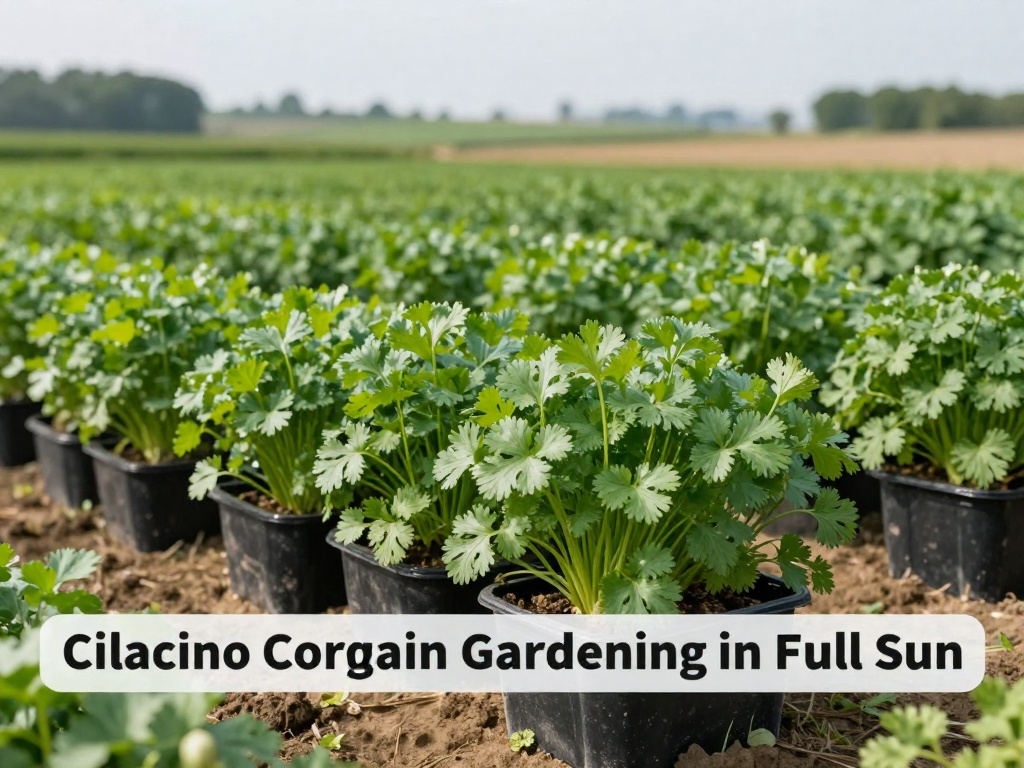
Cilantro Container Gardening in Full Sun: 2026 Guide
Cilantro container gardening in full sun offers an excellent solution for home gardeners who want fresh herbs without requiring extensive garden space. This aromatic herb thrives when given the right conditions, making it perfect for patios, balconies, and sunny kitchen windowsills. Whether you are growing cilantro for culinary use or simply enjoying its fresh fragrance, container gardening provides flexibility and control over growing conditions.
Why Choose Containers for Cilantro
Container gardening transforms any sunny spot into a productive herb garden. Growing cilantro in containers allows you to move plants to optimize sun exposure throughout the growing season. Containers also prevent cilantro's tendency to bolt quickly when temperatures fluctuate, giving you more control over harvest timing.
Space Efficiency for Small Spaces
One of the greatest advantages of cilantro container gardening in full sun is the ability to grow fresh herbs in apartments, condos, and homes with limited outdoor space. A single 12-inch pot produces enough cilantro for regular kitchen use, while multiple containers can supply a family year-round.
Better Disease and Pest Control
Containers elevate plants from soil-borne pathogens and make monitoring for pests significantly easier. This natural approach reduces the need for chemical interventions, supporting organic gardening practices.
Selecting the Right Container
Choosing appropriate containers forms the foundation of successful cilantro container gardening in full sun. The right pot size and material directly influence soil moisture retention, root development, and plant health.
Container Size and Depth
Cilantro develops a taproot that requires adequate depth for proper nutrient uptake. Select containers at least 8 inches deep with a diameter of 10-12 inches for each plant. Rectangular window boxes work exceptionally well for growing multiple cilantro plants in a single vessel.
Material Considerations
Terra cotta containers offer excellent drainage and breathability, while plastic pots retain moisture longer during hot summer months. For cilantro container gardening in full sun, consider using light-colored containers to reflect heat and prevent root stress during peak summer temperatures.
Optimal Soil and Growing Medium
The right soil mixture dramatically impacts cilantro's growth rate and bolt resistance. Cilantro thrives in loose, well-draining soil that retains sufficient moisture without becoming waterlogged.
DIY Potting Mix Recipe
Combine equal parts high-quality potting soil, perlite, and coconut coir for an ideal cilantro growing medium. This blend provides optimal drainage while maintaining adequate moisture levels for consistent growth. Add a handful of compost for slow-release nutrients throughout the season.
Commercial Potting Mix Options
Premium organic potting mixes designed for vegetables and herbs work excellently for cilantro container gardening in full sun. Look for mixes containing aged bark, peat moss, and perlite for best results. Avoid garden soil, which compacts easily and may harbor diseases in container settings.
Mastering Full Sun Requirements
Cilantro performs best when receiving 6-8 hours of direct sunlight daily. Understanding how to manage full sun exposure ensures healthy, productive plants throughout the growing season.
Positioning Your Containers
Place containers in the sunniest location available, preferably facing south or west for maximum light exposure. During extremely hot summer periods, afternoon shade protection prevents wilting and extends the harvest window before bolting occurs.
Managing Heat Stress
When temperatures exceed 85°F, cilantro begins signaling its intention to bolt. Implement strategies like grouping containers together to create a microclimate, using mulch to cool soil temperatures, and providing afternoon shade through repositioning or temporary shade cloth.
Watering Techniques for Container Cilantro
Proper watering represents the most critical factor in cilantro container gardening in full sun. Containers dry out faster than ground soil, requiring consistent attention to moisture levels.
Watering Schedule
Check soil moisture daily during warm weather by inserting your finger one inch into the soil. Water thoroughly until excess drains from the bottom, then allow the top inch to dry slightly before watering again. Morning watering allows foliage to dry before evening, reducing fungal disease risks.
Signs of Overwatering and Underwatering
Yellowing lower leaves often indicate overwatering, while wilting despite moist soil suggests root problems from excessive water. Consistent monitoring and adjustment ensure your cilantro receives exactly the moisture it needs for thriving growth.
Step-by-Step Planting Process
Following a systematic approach to planting sets your cilantro up for success from the very beginning. Proper technique maximizes germination rates and establishes strong root systems.
Starting from Seeds
Direct sow cilantro seeds 1/4 inch deep in moist potting mix, spacing them 2 inches apart. Mist gently and cover with a thin layer of vermiculite to retain moisture. Seeds typically germinate within 7-10 days under optimal conditions.
Transplanting Seedlings
If starting indoors, transplant seedlings when they develop their second set of true leaves. Handle gently by the leaves, never the stems, and plant at the same depth as the original container. Water immediately after transplanting to settle soil around roots.
Fertilizing for Maximum Yield
Container-grown cilantro requires regular nutrient supplementation since frequent watering flushes nutrients from the limited soil volume. A balanced approach supports lush foliage production without promoting premature bolting.
Organic Fertilizer Options
Apply diluted fish emulsion or seaweed extract every two weeks during the growing season. These organic options provide gentle, consistent nutrition without burning delicate roots. Alternatively, top-dress with worm castings monthly for slow-release feeding.
Signs of Nutrient Deficiency
Pale green leaves indicate nitrogen deficiency, while stunted growth suggests possible phosphorus or potassium shortage. Address deficiencies promptly with appropriate organic amendments to restore vigorous growth.
Harvesting and Extending Production
Strategic harvesting encourages bushy growth and prolongs the productive period before cilantro naturally bolts. Understanding harvest timing significantly impacts your total yield.
Proper Harvesting Technique
Begin harvesting outer leaves when plants reach 6 inches tall, cutting stems just above the soil line. Never remove more than one-third of the plant at once, allowing recovery time between harvests. Regular harvesting delays bolting and promotes continuous production.
Succession Planting Strategy
Plant new cilantro containers every 2-3 weeks to ensure continuous harvest throughout the season. This succession planting approach guarantees fresh supply even as earlier plantings eventually bolt and go to seed.
Common Problems and Solutions
Even with careful attention, challenges occasionally arise in cilantro container gardening in full sun. Identifying issues early enables quick intervention and prevents crop loss.
Aphid Management
Inspect leaf undersides regularly for aphid infestations. Spray affected plants with a strong stream of water to dislodge pests, or apply neem oil solution for persistent problems. Encouraging beneficial insects like ladybugs provides natural biological control.
Preventing Premature Bolting
Bolting occurs when cilantro switches from vegetative to reproductive growth, producing flowers and seeds instead of foliage. Keep plants cool with afternoon shade, maintain consistent moisture, and harvest frequently to delay this natural process.
Winter Growing Considerations
Cilantro tolerates light frosts and can be grown through winter in mild climates. Container gardening allows bringing plants indoors during harsh weather for continued harvest.
Indoor Container Gardening
Move containers to a sunny windowsill or under grow lights when outdoor temperatures drop below freezing. Indoor cilantro may require supplemental lighting to maintain healthy growth during shorter winter days.
Companion Planting in Containers
Combining cilantro with compatible herbs maximizes container space while creating beneficial growing partnerships. Strategic companion planting enhances overall garden health naturally.
Best Companion Herbs
Cilantro grows harmoniously with chives, mint, basil, and dill in shared containers. These combinations deter harmful insects and create attractive, functional herb gardens. Avoid planting cilantro with fennel, which competes aggressively for nutrients.
FAQ
How often should I water cilantro in containers during summer?
Cilantro in containers typically requires watering every 1-2 days during hot summer weather. Check soil moisture daily by feeling the top inch of soil, and water when it feels dry. Deep watering that saturates the root ball is better than frequent shallow watering.
What is the best month to plant cilantro in containers?
Plant cilantro 2-3 weeks before the last expected frost for spring growing, or in late summer for fall harvest. Cilantro prefers cool temperatures between 50-85°F, making spring and fall ideal planting seasons in most climates.
Why is my container cilantro turning yellow?
Yellowing cilantro leaves usually indicate overwatering, nutrient deficiency, or root-bound conditions. Examine soil moisture, check if roots are circling the container bottom, and consider applying a balanced organic fertilizer if plants appear pale.
How long does it take to grow cilantro from seed in containers?
Cilantro reaches harvestable size in approximately 45-70 days from seed, depending on variety and growing conditions. Cut-and-come-again harvesting allows multiple harvests from single plantings over several weeks.
Can I grow cilantro with other herbs in the same container?
Yes, cilantro pairs well with chives, parsley, and other cool-season herbs in shared containers. Ensure the container provides adequate space for multiple plants and group herbs with similar water and sun requirements together.
How do I prevent cilantro from bolting too quickly?
Prevent bolting by providing afternoon shade during hot weather, maintaining consistent soil moisture, and harvesting leaves regularly. Choosing bolt-resistant varieties and practicing succession planting also extends your harvest window significantly.
Do container-grown cilantro need drainage holes?
Proper drainage is essential for cilantro container gardening in full sun. Always use containers with multiple drainage holes to prevent water accumulation, which causes root rot and fungal diseases that quickly kill plants.
What is the average cost to start cilantro container gardening?
Starting a basic cilantro container garden costs approximately $20-40 for initial supplies including pots, potting soil, seeds, and basic tools. Organic fertilizers and accessories add $10-20 more. Most supplies are reusable for multiple growing seasons.
No comments