
Carrots Container Gardening in Full Sun: 2026 Complete Guide
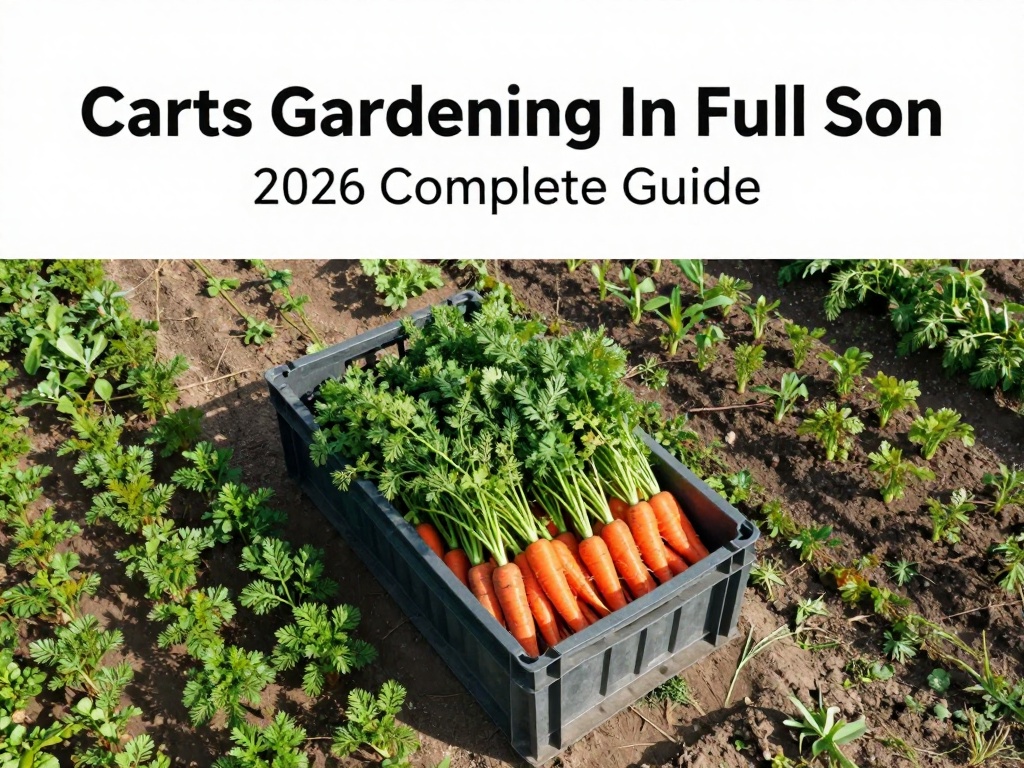
Carrots Container Gardening in Full Sun: 2026 Complete Guide
Carrots container gardening in full sun offers urban gardeners and small-space enthusiasts an incredible opportunity to harvest sweet, crunchy carrots right from their patios, balconies, or rooftops. Whether you have a tiny apartment balcony or a spacious backyard, growing carrots in containers under full sun conditions can yield impressive results when you follow the right techniques. This comprehensive guide walks you through every step of the process, ensuring your container carrot garden thrives throughout the growing season.
Why Choose Containers for Growing Carrots
Container gardening has revolutionized how we approach vegetable cultivation, especially in urban environments. Carrots are particularly well-suited for container growing because they require minimal above-ground space while producing abundant harvests below the soil surface. When grown in containers with full sun exposure, carrots develop exceptional sweetness and color that rivals garden-grown varieties.
The flexibility of containers allows you to control soil quality, drainage, and positioning—all critical factors for successful carrot cultivation. You can move containers to optimize sun exposure throughout the day, something impossible with traditional in-ground gardening. This mobility makes container gardening particularly valuable for renters or those with challenging garden layouts.
Benefits of Container Carrot Gardening
- Perfect for small spaces, balconies, and urban environments
- Complete control over soil composition and quality
- Mobility to maximize sunlight exposure
- Reduced pest and disease issues compared to ground planting
- Easier weed management and maintenance
- Extended growing season with container mobility
Understanding Full Sun Requirements for Carrots
Carrots thrive with a minimum of 6-8 hours of direct sunlight daily, making full sun positioning essential for optimal growth and root development. When planning your container arrangement, select the sunniest spot available—south-facing locations typically provide the most consistent light exposure throughout the day. Without adequate sunlight, carrot foliage becomes leggy and weak, resulting in small, deformed roots with poor flavor development.
Full sun exposure does mean containers dry out faster, so implementing a consistent watering schedule becomes crucial. Monitor your containers daily during hot summer months, as soil moisture directly impacts carrot sweetness and texture. The combination of ample sunlight and proper hydration creates the ideal environment for carrots to develop their characteristic crunch and natural sugars.
Positioning Your Carrot Containers
Place containers where they receive morning sun and some afternoon shade in extremely hot climates (above 90°F). This prevents heat stress while maintaining adequate light for robust growth. Reflective surfaces like light-colored walls can increase light exposure without moving containers, making them valuable for shady balconies seeking maximum sun penetration.
Choosing the Right Containers for Carrots
Container depth represents the most critical factor when selecting vessels for carrot cultivation. Carrots require a minimum of 12 inches of soil depth for standard varieties, while longer cultivars need 15-18 inches. The width of your container matters less than depth, but wider containers allow for multiple plants and better root distribution.
Best Container Types and Materials
Fabric grow bags have become increasingly popular for carrot container gardening because they provide excellent drainage and air pruning benefits that prevent root binding. Plastic containers are lightweight and affordable, though they retain more heat than fabric alternatives. Terracotta and ceramic pots offer aesthetic appeal but require more frequent watering due to their porous nature.
Whatever container you choose, ensure it has adequate drainage holes—at least 4-6 holes for a 12-inch container. Standing water leads to root rot and splitting, common issues that devastate carrot crops. Elevating containers slightly off surfaces improves drainage efficiency and prevents waterlogging during heavy rainfall.
Recommended Container Sizes
- Short round carrots: 6-8 inches deep minimum
- Nantes type carrots: 12 inches deep minimum
- Danvers type carrots: 12-15 inches deep minimum
- Imperator type carrots: 15-18 inches deep minimum
- Width: 12 inches minimum for single row, 18-24 inches for multiple rows
Soil Preparation for Container Carrots
Carrots demand loose, well-draining soil that allows their taproots to penetrate easily without obstruction or forking. Heavy clay soils cause deformed and stunted roots, making proper container mix selection essential for success. Create an ideal growing medium by combining quality potting soil with coarse sand and compost in roughly equal proportions.
Aim for a pH between 6.0 and 6.8—slightly acidic to neutral—which optimizes nutrient availability for carrot development. Avoid using garden soil alone in containers, as it compacts easily and may harbor pests and diseases. Commercial potting mixes labeled for vegetables provide a reliable starting point, though adding perlite improves drainage further.
Creating the Perfect Soil Mix
Mix 2 parts quality potting soil with 1 part coarse sand and 1 part well-aged compost. This combination provides excellent drainage while retaining sufficient moisture and nutrients. Add a handful of bone meal per container to support healthy root development without promoting excessive foliage growth at the expense of the carrot itself.
Fill containers to within 1 inch of the rim, allowing space for watering without overflow. Lightly firm the soil surface before planting, as overly loose soil causes seeds to wash away during watering. Pre-moisten the soil mixture before sowing seeds for best germination results.
Planting Carrots in Containers
Timing your planting correctly dramatically impacts germination success and harvest timing. Sow carrot seeds 2-4 weeks before your last expected frost date for spring planting, or 10-12 weeks before the first fall frost for autumn harvests. Container growing allows succession planting every 3-4 weeks for continuous harvests throughout the growing season.
Seed Sowing Techniques
Carrot seeds are notoriously small and slow to germinate, requiring patience and proper technique. Sow seeds at a depth of 1/4 inch, lightly covered with fine soil or vermiculite. Maintain consistent moisture during the 14-21 day germination period by misting the soil surface daily. Avoid letting the soil surface dry out completely, as this kills emerging seedlings.
Consider using seed tape or pelleted seeds for easier handling and more uniform spacing. Thin seedlings to 2-3 inches apart once they develop their second set of true leaves, removing weaker seedlings to give remaining plants adequate room to develop. Never pull seedlings—snip them at soil level to avoid disturbing adjacent roots.
Companion Planting in Carrot Containers
While space constraints limit companion planting in containers, you can grow radishes alongside carrots with excellent results. Radishes germinate quickly and loosen the soil as they grow, benefiting nearby carrot seedlings. The fast-maturing radishes are harvested before competing with carrots for space and nutrients.
Watering and Fertilizing Container Carrots
Consistent watering ranks among the most critical factors for successful carrot container gardening in full sun. Uneven moisture causes root cracking, forking, and poor flavor development. Water deeply whenever the top inch of soil feels dry, typically every 2-3 days during moderate weather and daily during hot summer conditions.
Apply water directly to the soil surface, avoiding foliage which encourages fungal diseases. Self-watering containers with reservoirs provide excellent moisture consistency, reducing the risk of both under and overwatering. These containers prove particularly valuable during vacation periods or for gardeners unable to monitor daily moisture levels.
Fertilization Schedule
Carrots are moderate feeders that benefit from light, balanced fertilization throughout their growing cycle. Apply a diluted balanced liquid fertilizer (10-10-10) every 3-4 weeks, beginning after thinning seedlings. Avoid high-nitrogen fertilizers which promote lush foliage at the expense of root development—the opposite of what we want for carrot cultivation.
Organic options like fish emulsion or seaweed extract provide gentle nutrition without the risk of burning delicate carrot roots. Side-dress containers with thin layers of compost monthly, lightly working it into the soil surface without disturbing developing carrots. This supplements nutrition while improving soil structure and moisture retention.
Common Problems and Solutions
Even well-managed carrot containers encounter occasional problems, but prompt identification and correction prevents serious crop loss. Understanding common issues helps you recognize and address problems before they devastate your harvest. Most carrot problems in containers relate directly to environmental conditions rather than pests or diseases.
Troubleshooting Guide
- Forked or deformed roots: Caused by rocky soil, fresh manure, or irregular watering—ensure loose, well-prepared soil and consistent moisture
- Slow germination: Normal for carrots—maintain consistent moisture and patience; try pre-soaking seeds overnight
- Leggy seedlings: Insufficient light—move containers to sunnier locations immediately
- Yellowing foliage: Nitrogen deficiency—apply balanced fertilizer or side-dress with compost
- Root cracking: Irregular watering followed by heavy rain—maintain consistent moisture levels
- Pest issues: Less common in containers; use row covers if needed for carrot rust fly
Harvesting Your Container Carrots
Carrots typically reach harvest maturity 70-80 days after germination, though timing varies by variety. Monitor the shoulder of the carrot crown as it pushes slightly above the soil line, indicating approaching readiness. Gently brush away a small amount of soil to check root size before committing to harvest.
Water containers thoroughly a few hours before harvesting—this loosens soil and makes harvesting easier while reducing stress on the roots. Grasp foliage firmly near the crown and rock gently while pulling straight upward. If resistance occurs, use a trowel to carefully loosen soil around the root before removing the carrot.
Best Practices for Harvesting
Harvest carrots in the evening when sugar content peaks for best flavor. Remove foliage immediately after harvesting by twisting or cutting tops to within 1 inch of the crown. Store harvested carrots in the refrigerator for up to two weeks, keeping them crisp and flavorful for extended enjoyment.
Storing and Using Your Container Carrots
Freshly harvested carrots retain their sweetness and crunch far longer than store-bought varieties, making homegrown containers particularly rewarding. After washing and trimming tops, store carrots in perforated plastic bags in the refrigerator's crisper drawer. Properly stored carrots remain fresh for 2-4 weeks.
Consider succession planting throughout the season to ensure continuous harvests rather than overwhelming gluts. Freeze excess carrots by blanching and cube them for convenient addition to soups, stews, and side dishes throughout winter. Fermented carrot sticks provide probiotic health benefits while preserving your harvest.
Best Carrot Varieties for Container Gardening
Selecting appropriate varieties dramatically impacts your container gardening success. Compact and short-rooted varieties perform best in container environments, producing satisfying harvests without requiring the deep soil that long cultivars demand. Breeders have developed numerous varieties specifically suited for container cultivation.
Recommended Varieties
- Paris Market: Round, compact carrots ideal for shallow containers (6 inches)
- Thumbelina: Perfect for containers and snacking, tolerates heavy soil
- Nantes Coreless: Sweet, cylindrical carrots requiring 12 inches depth
- Little Finger: Small Nantes-type, excellent for containers
- Danvers Half Long: Adaptable variety tolerating imperfect conditions
- Parmex: Round French heirloom perfect for window boxes
Seasonal Tips for Year-Round Success
Container gardening flexibility allows you to extend your growing season beyond traditional limits. Spring planting begins 2-4 weeks before last frost when containers can be moved indoors during unexpected freezes. Fall planting extends harvests well into late autumn as containers can be protected or moved to sheltered locations.
Summer heat presents challenges for full-sun container carrots, particularly in hot climates. Provide afternoon shade during heat waves using shade cloth or relocating containers temporarily. Mulching container surfaces with straw or shredded leaves conserves moisture and moderates soil temperature extremes.
Overwintering Strategies
In mild climates (USDA zones 7+), containers can overwinter carrots for early spring harvest. Apply thick mulch layer over soil surface and move containers to sheltered locations. Roots become sweeter after light frost exposure as plants convert starches to sugars for cold protection.
Final Tips for Successful Carrot Container Gardening
Carrots container gardening in full sun rewards patient gardeners with delicious harvests that far exceed store-bought quality. Success comes from understanding carrot requirements and providing consistent care throughout the growing cycle. Start with quality seeds, appropriate containers, and proper soil preparation—these fundamentals matter more than any technique.
Keep records of planting dates, varieties, and results to refine your approach year after year. Note which containers, soil mixes, and positions produce best results in your specific environment. Container gardening offers valuable experimentation opportunities without the commitment of in-ground planting.
FAQ
What is the minimum container depth for growing carrots?
The minimum container depth depends on carrot variety—short round varieties need 6-8 inches, while standard carrots require 12-15 inches, and long Imperator types need 15-18 inches. Deeper containers always improve root development and yield.
How often should I water carrots in containers?
Water carrots whenever the top inch of soil feels dry, typically every 2-3 days in moderate weather and daily during hot summer conditions. Container carrots in full sun need more frequent watering than garden-grown carrots due to faster moisture evaporation.
Why are my container carrots deformed or forked?
Forked carrots typically result from rocky soil, fresh manure high in nitrogen, irregular watering, or compacted growing medium. Ensure your container mix is loose and stone-free, use only aged compost, and maintain consistent soil moisture throughout the growing season.
Can I grow carrots on a north-facing balcony?
North-facing balconies receive insufficient sunlight for optimal carrot growth—carrots need minimum 6-8 hours of direct sun. If full sun exposure isn't possible, consider growing lettuce, spinach, or herbs that tolerate partial shade instead.
How long does it take to grow carrots in containers?
Most carrot varieties mature in 70-80 days from germination, though some small varieties ready in 50-60 days. Container growing doesn't significantly alter timeline—germination takes 14-21 days, with rapid root growth occurring in the final weeks before harvest.
Do carrot containers need drainage holes?
Absolutely—drainage holes are essential for carrot container success. Without adequate drainage, water accumulates and causes root rot, splitting, and disease problems. Ensure at least 4-6 drainage holes per container, elevating pots slightly to prevent waterlogging.
No comments