
2026 Guide to Philodendron Vertical Gardening on Your Balcony
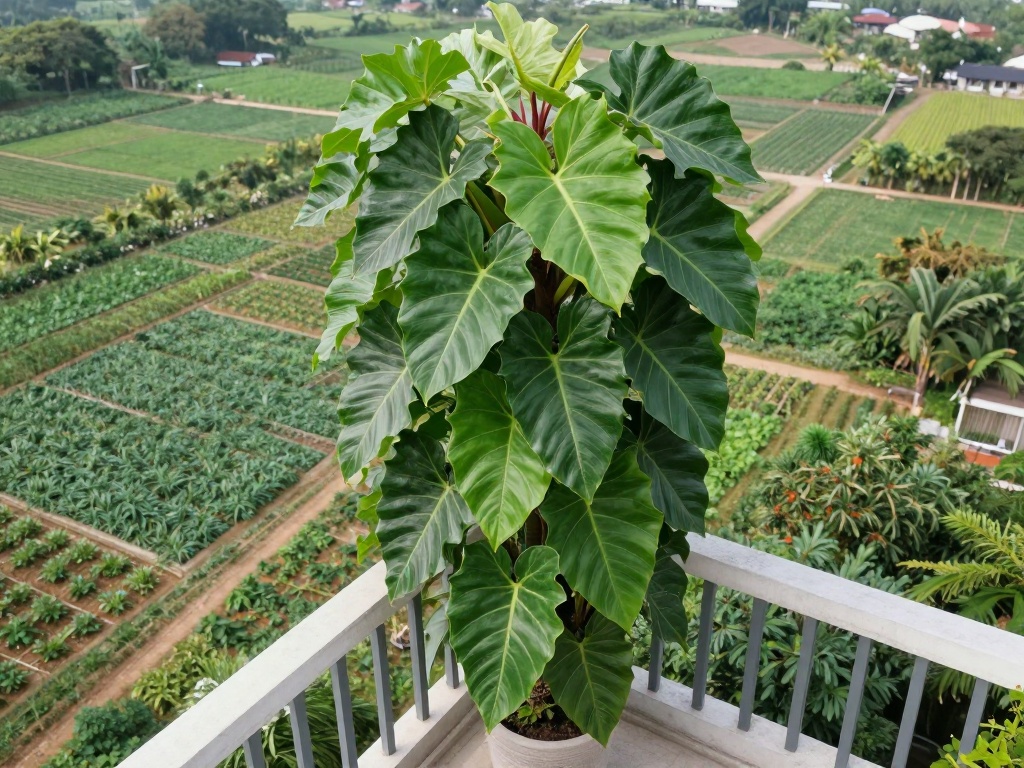
2026 Guide to Philodendron Vertical Gardening on Your Balcony
Turn your balcony into a stunning vertical oasis with philodendron vertical gardening techniques. Whether you have a compact apartment balcony or a spacious terrace, climbing philodendrons offer the perfect solution for maximizing your green space while creating a lush, tropical atmosphere right outside your door.
Why Choose Philodendrons for Vertical Balcony Gardening
Philodendrons are among the most versatile and forgiving houseplants, making them ideal candidates for vertical gardening on balconies. These tropical beauties thrive in the filtered light conditions that balconies typically provide, and their natural climbing habit makes them perfect for vertical displays.
Benefits of Vertical Philodendron Gardens
- Space maximization: Grow more plants in limited square footage
- Aesthetic appeal: Create living wall displays that transform plain balconies
- Improved air quality: Philodendrons filter toxins and add oxygen to your outdoor space
- Privacy enhancement: Dense foliage provides natural screening from neighbors
- Temperature regulation: Green walls help cool your balcony during hot months
Essential Supplies for Your Vertical Philodendron Project
Before starting your philodendron vertical gardening journey, gather the essential supplies that will ensure your success. Quality materials make a significant difference in how well your vertical garden thrives.
Support Structures and Frames
Your vertical garden needs a sturdy support system. Options include:
- Trellis panels: Wooden or metal lattice panels that attach to walls or railings
- Wire guide systems: Vertical and horizontal wires for plants to climb
- Modular pocket systems: Fabric or plastic pocket planters that hang from hooks
- Coco coir panels: Natural moss boards that provide excellent moisture retention
Plant Selection for Beginners
Start with these beginner-friendly philodendron varieties for your balcony vertical garden:
- Heartleaf philodendron (Philodendron hederaceum): Classic trailing variety, extremely hardy
- Brasil philodendron: Colorful variegated leaves, reliable grower
- Monstera deliciosa: Dramatic splits and holes, though technically a different genus
- Pink princess philodendron: Stunning pink variegation for visual impact
- Golden pothos: Often grouped with philodendrons, excellent for beginners
Step-by-Step Installation Guide for Vertical Gardens
Follow this step-by-step approach to set up your philodendron vertical gardening system properly from the beginning.
Step 1: Assess Your Balcony Conditions
Measure your available wall space and evaluate sunlight exposure. Most philodendrons prefer bright, indirect light—direct afternoon sun can scorch their leaves. East or north-facing balconies work beautifully for these tropical plants.
Step 2: Install Your Support System
Mount your chosen support structure securely. For renters, tension-mounted systems or hooks that won't damage walls work well. Ensure all fixtures can support the weight of saturated soil and mature plant growth.
Step 3: Prepare Your Growing Medium
Use a well-draining potting mix specifically formulated for tropical plants. Mix perlite with peat-based soil to improve drainage while retaining moisture. The ideal pH range for philodendrons is between 5.5 and 6.0.
Step 4: Plant and Position Your Philodendrons
Place smaller, younger plants in upper positions where they can cascade down beautifully. Position mature specimens with established vines lower on the structure. Space plants according to their mature size to avoid overcrowding.
Maintenance Tips for Thriving Vertical Gardens
Regular maintenance keeps your philodendron vertical garden healthy and spectacular throughout 2026 and beyond.
Watering Techniques for Vertical Displays
Vertical gardens tend to dry out faster than traditional planters. Water thoroughly when the top inch of soil feels dry, typically every two to three days in warm weather. During summer heat, you may need daily watering. Morning watering gives leaves time to dry, reducing fungal disease risk.
Fertilizing Schedule
Feed your philodendrons monthly during the growing season (spring through early fall) with a balanced liquid fertilizer diluted to half strength. In winter, reduce feeding to every six to eight weeks as growth slows.
Pruning and Training
Guide climbing stems along your support structure using soft plant ties. Prune leggy growth to encourage bushier development. Remove yellowing leaves promptly to maintain plant health and appearance.
Troubleshooting Common Vertical Garden Issues
Even with proper care, challenges can arise in philodendron vertical gardening setups.
Yellow Leaves
Yellowing leaves often indicate overwatering or nutrient deficiency. Check soil moisture first—if it's soggy, reduce watering frequency. If soil is dry, your plants may need fertilization or more frequent watering.
Leggy Growth
Stretched, sparse growth with widely spaced leaves signals insufficient light. Move plants to brighter locations or supplement with grow lights designed for tropical plants.
Pest Problems
Check regularly for spider mites, mealybugs, and aphids. Wipe leaves with neem oil solution or insecticidal soap for organic control. Isolate affected plants immediately to prevent spread.
Creative Design Ideas for Balcony Vertical Gardens
Transform your philodendron vertical gardening project into a stunning design feature that reflects your personal style.
Layered Display Technique
Create depth by arranging plants in multiple levels. Place trailing varieties in upper pockets to cascade down over lower-stacked upright varieties. This technique maximizes visual impact in small spaces.
Color Coordination
Group philodendron varieties by leaf color for dramatic effect. Combine solid green varieties with variegated types for contrast. The pink, white, and lime colors of variegated philodendrons create stunning visual focal points.
Mix with Other Vertical Plants
Combine philodendrons with complementary plants like pothos, string of pearls, or nerve plants. This creates a diverse, resilient vertical garden that's less susceptible to pest outbreaks.
Seasonal Care Guide for 2026
Adapt your philodendron vertical gardening routine throughout the year to match seasonal changes and keep your balcony garden thriving.
Spring (March-May)
Repot any rootbound plants with fresh soil. Begin regular fertilizing as growth resumes. Install new supports or expand your vertical display with additional plants.
Summer (June-August)
Increase watering frequency during hot months. Monitor for pests more frequently as temperatures rise. Provide shade during extreme heat waves to prevent leaf scorch.
Fall (September-November)
Gradually reduce fertilizing as daylight decreases. Clean leaves to remove summer dust buildup. Take cuttings for propagation to expand your collection.
Winter (December-February)
Water less frequently, allowing soil to dry more between waterings. Move tender varieties indoors during frost warnings. Maintain minimal fertilizing schedule to support dormancy.
Cost Analysis: Starting Your Vertical Garden in 2026
Budget-conscious gardeners will appreciate that philodendron vertical gardening on balconies doesn't require significant investment. Basic setups can cost as little as $50-100, while elaborate displays may range from $200-500 depending on materials chosen.
Major expenses include support structures ($30-150), quality potting mix ($15-30), and initial plant purchases ($5-20 per plant). Many philodendrons are affordable, and starting from cuttings significantly reduces costs.
FAQ
How much sunlight do philodendrons need on a balcony?
Most philodendrons thrive in bright, indirect light. They tolerate lower light conditions but may grow slower. Avoid prolonged direct sunlight, especially during hot afternoon hours, as this can burn their delicate leaves. East-facing balconies provide ideal morning sun with afternoon shade.
Can I grow philodendrons on a windy balcony?
Strong winds can damage delicate philodendron leaves and dry out soil quickly. Position plants in protected areas, use windbreaks like mesh screens, or choose more hardy varieties. Heartleaf philodendrons tend to handle breezy conditions better than more delicate species.
What's the best vertical gardening system for philodendrons?
Modular pocket planters and coco coir panels work exceptionally well for philodendron vertical gardening on balconies. These systems retain moisture while providing excellent drainage. Trellis systems with potted plants work for larger specimens but require more floor space.
How often should I water my vertical philodendron garden?
Vertical gardens typically need watering every two to three days during warm weather. Check soil moisture daily during summer by inserting your finger one inch deep. If it feels dry, water thoroughly until water drains from the bottom. In cooler months, reduce frequency to every four to five days.
What's the expected growth rate for philodendrons in vertical displays?
With proper care, most philodendrons grow 6-12 inches per month during the growing season. Trailing varieties can produce vines reaching 2-3 feet in a single season. Provide consistent moisture, regular fertilization, and adequate light for optimal growth rates.
How do I propagate new plants for my vertical garden?
Take stem cuttings with 2-3 nodes below the growing tip. Remove lower leaves and place in water or moist perlite. Roots typically develop within 2-4 weeks. Spring and summer offer the best propagation success rates. Once rooted, transfer to small pots before incorporating into your vertical display.
Philodendron vertical gardening on your balcony offers an exciting opportunity to transform a small, often underutilized space into a vibrant tropical retreat. With minimal investment and moderate care, you can create a living wall that provides year-round beauty, improves air quality, and brings the relaxing atmosphere of a tropical paradise to your urban home. Start your vertical gardening journey today and enjoy watching your balcony transform into an envy-worthy green sanctuary in 2026.
No comments