
Basil Vertical Gardening Indoors: 2026 Complete Guide
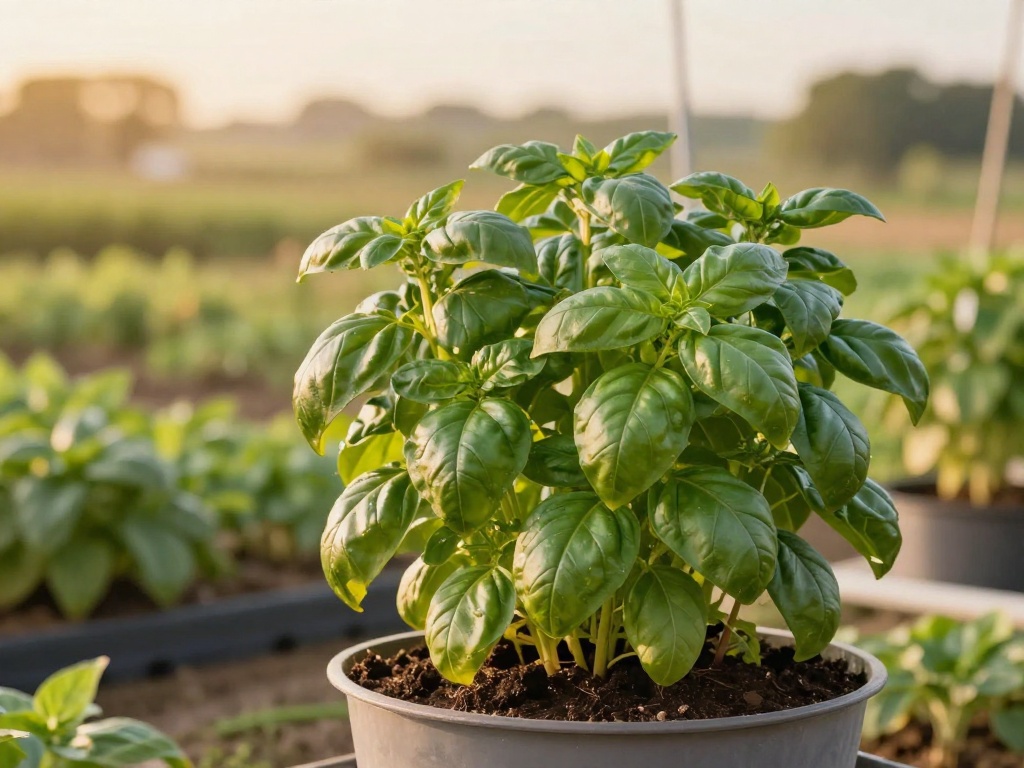
Basil Vertical Gardening Indoors: 2026 Complete Guide
Vertical gardening has revolutionized how we grow fresh herbs in limited spaces, and basil vertical gardening indoors offers one of the most rewarding possibilities for home growers. Whether you have a tiny apartment balcony, a small kitchen window, or a compact living area, growing basil vertically allows you to harvest fresh, aromatic leaves year-round without requiring a traditional garden plot.
Why Choose Vertical Gardening for Basil Indoors
Basil thrives in controlled indoor environments where you can manage light, temperature, and humidity precisely. Vertical growing maximizes your available space while improving air circulation around plants, which helps prevent common issues like powdery mildew and root rot.
Space Efficiency Benefits
A single vertical tower can produce the same harvest as several traditional pots while occupying a fraction of your counter or windowsill space. This makes basil vertical gardening indoors particularly valuable for urban dwellers, renters, and anyone looking to optimize their growing area.
Year-Round Growing Potential
Indoor vertical gardens eliminate seasonal limitations. You can maintain productive basil plants throughout winter months when outdoor gardens lie dormant, ensuring continuous access to fresh leaves for cooking, teas, and homemade pestos.
Best Basil Varieties for Vertical Indoor Gardens
Not all basil varieties perform equally well in vertical arrangements. Selecting the right type forms the foundation of successful basil vertical gardening indoors.
Sweet Basil (Genovese)
The classic culinary basil features large, tender leaves with an intense aroma. Its relatively compact growth habit makes it ideal for vertical towers and pocket planters. Genovese basil reaches heights of 18-24 inches and produces abundantly when given proper care.
Compact Bush Basil
Dwarf and bush varieties like 'Spicy Globe' and 'Minimum' stay naturally small, reaching only 6-12 inches. These compact forms excel in tight vertical spaces and small containers, producing dense foliage that responds well to frequent harvesting.
Thai Basil
For those who enjoy Asian cuisine, Thai basil offers distinctive purple stems and anise-flavored leaves. This variety tolerates slightly cooler temperatures better than sweet basil, making it excellent for kitchens with variable conditions.
Essential Setup for Your Indoor Vertical Basil Garden
Choosing the Right Vertical System
Multiple vertical gardening systems work well for basil. Pocket planters mounted on walls accommodate several plants in a compact footprint. Stackable planters create tower structures suitable for corners. Hanging systems with multiple tiers maximize overhead space. Each option offers unique advantages depending on your available area and aesthetic preferences.
Lighting Requirements
Basil demands 6-8 hours of direct sunlight daily for optimal growth and flavor development. South-facing windows provide ideal natural light, but most indoor spaces require supplemental grow lights. LED grow strips positioned 6-12 inches above plants deliver consistent illumination without excessive heat that could stress delicate basil.
Container and Drainage Considerations
Each vertical pocket or container should hold at least 4-6 inches of soil depth to support healthy root development. Ensure all containers include drainage holes to prevent waterlogging, which quickly damages basil roots. Consider self-watering planters that regulate moisture levels automatically.
Step-by-Step Planting Process for Beginners
Preparing Your Growing Medium
Fill each vertical container with a high-quality potting mix specifically formulated for herbs or vegetables. Avoid garden soil, which compacts too heavily and may harbor pathogens. Mix in perlite or coarse sand at 20% volume to improve drainage and aeration critical for basil health.
Planting Technique
Sow 3-4 basil seeds per pocket at shallow depth (approximately 1/4 inch), then thin to the strongest seedling once true leaves develop. Alternatively, transplant nursery seedlings carefully, ensuring the root ball sits at the same depth as its original container. Water thoroughly after planting to settle soil around roots.
Initial Care Protocol
Place your newly planted vertical garden in a warm location (65-75°F) with bright, indirect light for the first week while plants establish. This gradual acclimation prevents transplant shock and promotes strong initial growth.
Ongoing Maintenance for Maximum Harvest
Watering Schedule
Basil prefers consistently moist soil but suffers in waterlogged conditions. Water when the top inch of soil feels dry, typically every 2-3 days depending on your home's humidity and temperature. Vertical gardens may require more frequent watering than traditional pots due to increased air circulation accelerating moisture loss.
Feeding Your Vertical Basil
Apply a balanced, water-soluble fertilizer (10-10-10 or similar) diluted to half strength every 2-3 weeks during active growing seasons. Avoid over-fertilizing, which produces lush foliage with diminished flavor concentration.
Pruning and Harvesting Techniques
Regular harvesting actually promotes bushier, more productive basil plants. Harvest from the top down, cutting stems just above a leaf node (where leaves attach to the stem). Never remove more than one-third of the plant at once. This technique encourages branching and prevents early flowering that terminates leaf production.
Common Problems and Solutions
Yellowing Leaves
Yellow leaves typically indicate overwatering or nutrient deficiency. Check drainage first, then adjust your watering frequency. If drainage is adequate, apply a balanced fertilizer to address potential nutrient depletion.
Leggy Growth
Insufficient light causes basil to stretch toward available light sources, producing weak, elongated stems. Move plants closer to light sources or add supplemental lighting. Pruning stretched plants back by half their height encourages denser, bushier regrowth.
Pest Management Indoors
While less common than outdoor growing, indoor basil can attract aphids, spider mites, and fungus gnats. Inspect plants regularly, particularly leaf undersides. Remove pests manually with a damp cloth or spray with a diluted neem oil solution for persistent infestations.
FAQ: Frequently Asked Questions
How long does it take to grow basil indoors vertically?
Basil grown from seed typically reaches harvestable size in 60-75 days. Transplants from nursery stock can provide harvestable leaves within 2-3 weeks. Vertical gardens often produce slightly faster than traditional containers due to improved air circulation.
What is the biggest mistake beginners make with indoor basil?
Overwatering causes more basil failures than any other factor. Basil roots need oxygen as much as water. Allow soil to dry slightly between waterings and ensure excellent drainage in all containers.
Can I grow basil vertically without natural sunlight?
Yes, basil thrives under artificial grow lights. Position LED grow lights 6-12 inches above plants for 12-14 hours daily. This approach works especially well in rooms lacking adequate windows or during winter months with limited natural light.
How much basil can I expect from a vertical indoor garden?
A well-maintained vertical system with 6-8 plants can produce 1-2 cups of fresh leaves weekly during peak growing season. Production varies based on variety, light availability, and care consistency.
What is the best time of year to start vertical basil gardening indoors?
Basil vertical gardening indoors succeeds year-round, but starting in early spring (March-April) aligns with natural growth cycles. However, indoor vertical gardens allow you to begin anytime with equal success.
Is vertical basil gardening expensive to maintain?
Initial setup costs vary based on your chosen system, but ongoing maintenance is minimal. Primary expenses include electricity for grow lights (approximately $5-15 monthly) and occasional fertilizer. Seeds and basic supplies cost under $20 annually.
How do I prevent basil from flowering in my vertical garden?
Consistent harvesting prevents flowering by removing stems before flower buds develop. If flowers appear, pinch them off immediately along with two leaf sets below. This redirects the plant's energy back to leaf production rather than seed formation.
Can I combine basil with other herbs in a vertical garden?
Yes, but choose compatible companions. Mint, cilantro, and parsley share similar water and light requirements. Avoid combining basil with herbs preferring drier conditions like rosemary or thyme, which have different moisture needs.
Vertical gardening transforms basil cultivation from a space-limited hobby into an accessible daily practice for any indoor environment. With proper setup and consistent care, your vertical basil garden will provide fresh, aromatic harvests throughout 2026 and beyond.
No comments