
2026 Guide to Cilantro Container Gardening in Small Spaces
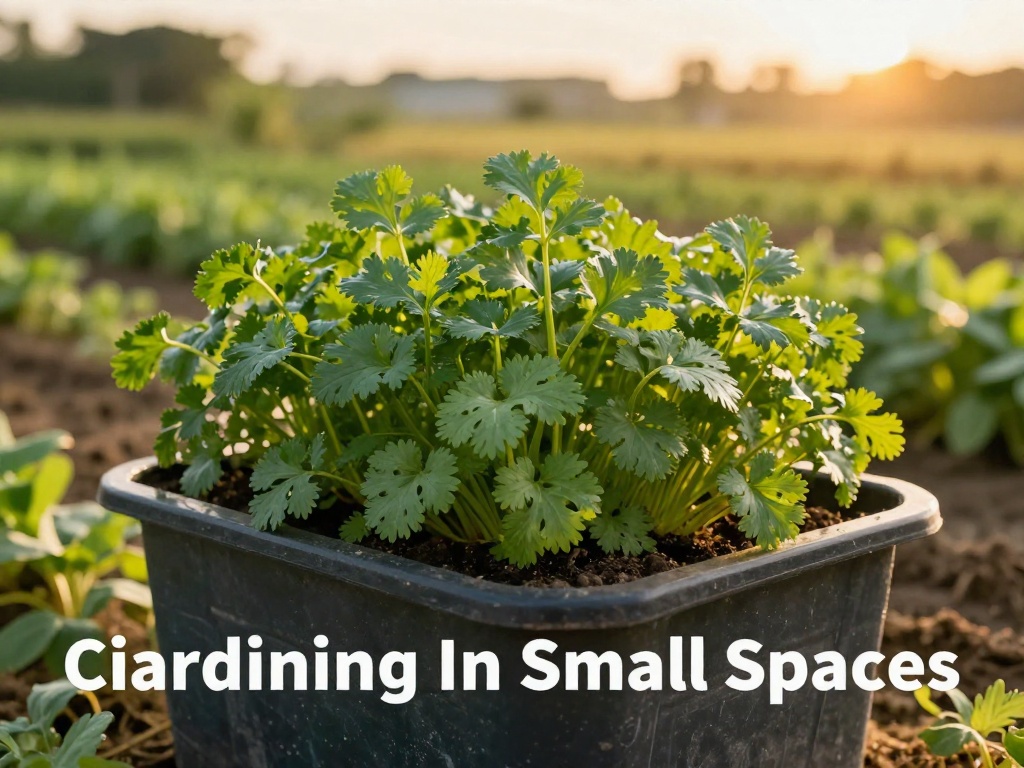
2026 Guide to Cilantro Container Gardening in Small Spaces
Growing cilantro in containers is one of the most rewarding experiences for urban gardeners and homeowners with limited space. Whether you have a tiny balcony, a sunny kitchen windowsill, or just a few square feet on your patio, cilantro container gardening in small spaces can provide you with fresh, aromatic herbs year-round. This step-by-step guide will walk you through everything you need to know about successfully cultivating cilantro in containers, from selecting the right pots to harvesting your first bountiful crop.
Why Choose Cilantro for Container Gardening?
Cilantro (Coriandrum sativum) is an ideal herb for small space gardening for several compelling reasons. First, cilantro grows relatively quickly, allowing you to harvest fresh leaves within 30-45 days of planting. Second, this versatile herb doesn't require deep soil—making it perfect for shallow containers. Third, cilantro's compact growth habit means it thrives in limited spaces without overwhelming your garden area.
For beginners, cilantro offers forgiving growing conditions compared to other herbs. It adapts well to container life and can tolerate partial shade, which is common in small spaces with limited sunlight. Additionally, having fresh cilantro at your fingertips encourages you to cook more healthily and experiment with flavorful, homegrown ingredients.
Choosing the Right Containers for Cilantro
Container Size and Depth Requirements
When it comes to cilantro container gardening in small spaces, selecting appropriate containers is crucial for success. Cilantro has a relatively shallow root system, so containers need to be at least 6-8 inches deep. However, deeper pots (10-12 inches) provide better moisture retention and allow for more robust growth.
For width, aim for containers that are at least 12 inches in diameter to accommodate multiple plants. If space is extremely limited, individual 6-inch pots work well for single plants. Just remember that smaller containers dry out faster and require more frequent watering.
Container Materials and Drainage
The best containers for cilantro feature adequate drainage holes at the bottom. Terra cotta pots offer excellent breathability and help prevent overwatering by allowing soil to dry more evenly. Plastic containers are lightweight and retain moisture longer, which can be beneficial in hot climates. Self-watering containers are another excellent option for small spaces, as they reduce the frequency of watering while maintaining consistent moisture levels.
Avoid dark-colored containers in hot climates, as they can overheat the soil and stress the plants. Light-colored or insulated containers help keep root temperatures stable, promoting healthier cilantro growth.
Soil and Growing Medium for Container Cilantro
Cilantro thrives in well-draining, nutrient-rich soil mixtures. For the best results, use a high-quality potting mix rather than garden soil, which tends to compact too heavily in containers. A good potting mix for cilantro should contain a blend of peat moss, perlite, and vermiculite to ensure proper drainage and aeration.
Consider adding organic compost to your potting mix to provide slow-release nutrients throughout the growing season. Aim for a slightly acidic to neutral pH range of 6.2-6.8 for optimal cilantro growth. If you prefer an organic approach, worm castings and aged manure make excellent amendments for enriching the soil naturally.
Planting Cilantro: Step-by-Step Instructions
Direct Seeding vs. Transplanting
For cilantro container gardening in small spaces, direct seeding is the preferred method. Cilantro develops a taproot and doesn't tolerate transplanting well. Sow seeds directly into your containers at a depth of approximately 1/4 inch. Lightly cover the seeds with soil and mist the surface with water until moist.
Space seeds about 2-3 inches apart to allow room for growth. Since cilantro is often grown for its leaves rather than seed production, you can sometimes space plants closer together—just be prepared to thin them as they mature to prevent overcrowding.
Succession Planting for Continuous Harvest
Cilantro has a relatively short harvest window before it bolts (flowers and goes to seed). To ensure a continuous supply, practice succession planting every 2-3 weeks throughout the growing season. Stagger your plantings in separate containers so you always have young plants at different growth stages ready for harvest.
Light Requirements for Indoor and Outdoor Containers
Cilantro performs best with 4-6 hours of direct sunlight daily. In small spaces, observe your available light conditions carefully. South-facing windows typically provide the most consistent light for indoor cilantro cultivation. If natural light is limited, supplement with grow lights positioned 6-12 inches above the plants for 12-14 hours daily.
For outdoor container gardening on balconies or patios, position your cilantro pots where they receive morning sun and afternoon shade, especially in hot climates. Excessive heat causes cilantro to bolt prematurely, so partial shade during the hottest part of the day extends your harvest period significantly.
Watering and Fertilizing for Maximum Yield
Proper Watering Techniques
Consistent moisture is essential for healthy cilantro in containers, but overwatering leads to root rot and fungal problems. Water deeply when the top inch of soil feels dry to the touch, ensuring water reaches the root zone. During hot summer months, container-grown cilantro may require daily watering, particularly in terracotta pots that allow moisture to evaporate quickly.
Apply water directly to the soil rather than overhead sprinkling to prevent leaf diseases. Watering in the morning allows foliage to dry before evening, reducing the risk of fungal infections. In humid climates or during rainy seasons, reduce watering frequency to prevent waterlogged conditions.
Feeding Your Cilantro Plants
Cilantro is a light feeder and doesn't require heavy fertilization. Apply a balanced, water-soluble fertilizer (such as 10-10-10) diluted to half strength every 4-6 weeks during the growing season. Over-fertilizing produces lush foliage with diminished flavor, so err on the side of moderation.
Organic options like fish emulsion, seaweed extract, or compost tea provide excellent nutrition without the risk of chemical buildup in containers. Side-dressing with a thin layer of compost around the base of plants every few weeks also helps maintain soil fertility naturally.
Harvesting Cilantro: Timing and Techniques
The best time to begin harvesting cilantro is when plants reach 6-8 inches tall, typically 30-45 days after planting. Use sharp scissors or garden shears to cut stems just above the soil line, harvesting no more than one-third of the plant at a time. This method encourages bushier regrowth and prolongs the harvest period.
For the freshest flavor, harvest cilantro in the morning when essential oils are most concentrated. Cut outer leaves first, allowing inner leaves to continue developing. Regular harvesting prevents bolting and keeps your plants productive for longer periods.
Common Problems and Solutions
Pest Management
Cilantro grown in containers is generally resistant to many soil-borne pests, but watch for aphids, spider mites, and whiteflies. Inspect plants regularly and address infestations promptly with insecticidal soap or neem oil. For a natural approach, introducing beneficial insects like ladybugs helps control aphid populations effectively.
Preventing Bolting
Bolting occurs when cilantro sends up flower stalks, causing leaves to become bitter and growth to slow. To prevent bolting in small space gardens, keep plants well-watered, provide afternoon shade in hot weather, and harvest frequently. Choosing slow-bolt cilantro varieties specifically bred for extended leaf production is another effective strategy.
Best Practices for Year-Round Cilantro Production
Extend your cilantro harvest by moving containers indoors during cold weather or starting new plants every few weeks. In regions with mild winters, cilantro can grow outdoors year-round. For continuous production, maintain several containers at different growth stages and rotate them based on light exposure and temperature needs.
Consider freeze-drying or preserving excess harvest by drying or freezing cilantro in ice cube trays with olive oil. These preservation methods ensure you enjoy your homegrown herb long after the growing season ends.
Final Thoughts on Small Space Cilantro Gardening
Cilantro container gardening in small spaces offers an accessible entry point for anyone wanting to grow fresh herbs at home. With minimal equipment, proper technique, and attention to basic plant needs, you can enjoy abundant harvests from even the smallest balconies, windowsills, or countertops. Start small, experiment with different containers and placements, and soon you'll experience the satisfaction of cooking with herbs you've grown yourself.
FAQ
How long does it take to grow cilantro in containers?
Cilantro typically reaches harvestable size in 30-45 days when grown from seed in containers. Baby leaves can be harvested even earlier, within 20-25 days, for a continuous supply of fresh herbs.
Can cilantro grow indoors in small spaces without sunlight?
Yes, cilantro can grow indoors with insufficient natural light if supplemented with grow lights. Position grow lights 6-12 inches above plants and provide 12-14 hours of artificial light daily for healthy growth in dark spaces.
What is the best cilantro variety for container gardening?
Slow-bolt varieties like 'Calypso', 'Santo', and 'Leisure' are excellent choices for containers because they resist bolting longer than standard varieties, providing extended harvest windows in small space gardens.
How often should I water cilantro in containers?
Water cilantro when the top inch of soil feels dry, typically every 1-2 days in warm weather. Container cilantro generally needs more frequent watering than garden-grown plants, especially in terracotta pots or hot climates.
Why is my container cilantro turning yellow?
Yellowing cilantro usually indicates overwatering, nutrient deficiency, or poor drainage. Check that your container has adequate drainage holes, reduce watering frequency, and consider adding a balanced liquid fertilizer if the soil lacks nutrients.
How do I prevent cilantro from bolting too quickly?
To prevent premature bolting, keep cilantro cool by providing afternoon shade, maintain consistent moisture, harvest regularly, and choose slow-bolt varieties. Bolting is triggered by heat stress and photoperiod changes, so managing these factors extends your harvest period significantly.
No comments