
Pumpkin Companion Planting for Beginners: 2026 Guide
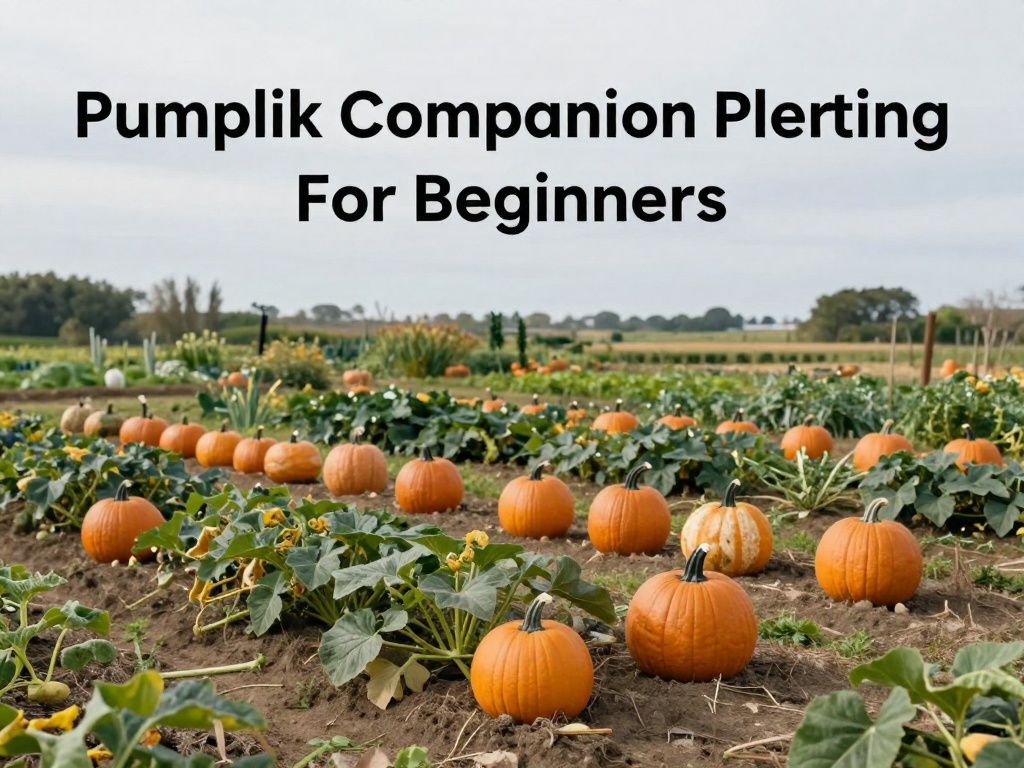
Pumpkin Companion Planting for Beginners: 2026 Guide
Companion planting represents one of the most rewarding techniques for growing pumpkins naturally. By strategically pairing your pumpkin vines with compatible plants, you can improve soil health, attract beneficial insects, and significantly increase your harvest without relying on chemical fertilizers or pesticides. This beginner's guide walks you through everything you need to know about pumpkin companion planting in 2026.
Why Companion Planting Matters for Pumpkins
Pumpkins are heavy feeders that require substantial nutrients, water, and space to produce those impressive orange fruits. Companion planting addresses these challenges by creating a mutually beneficial garden ecosystem where different plants support each other's growth.
The Three Sisters Method
Indigenous agricultural practices gave us the legendary Three Sisters planting method, combining corn, beans, and squash. Pumpkins thrive in this arrangement because the broad pumpkin leaves shade the soil, reducing moisture loss and suppressing weeds while beans fix nitrogen in the soil that benefits all three crops.
Natural Pest Deterrence
Strategic companion planting naturally repels common pumpkin pests like squash bugs, cucumber beetles, and aphids. Marigolds, for example, emit a scent that confuses pests searching for their host plants, while nasturtiums act as trap crops that draw aphids away from your pumpkins.
Best Companion Plants for Pumpkins
Corn: The Perfect Tall Partner
Corn serves as an excellent companion by providing natural support for climbing beans and creating partial shade that helps retain soil moisture. Plant corn in blocks rather than rows to ensure proper pollination, then interplant pumpkins around the perimeter or between stalks. The combination mimics natural ecosystems and maximizes vertical space in small gardens.
Beans: Nitrogen-Fixing Allies
Pole beans and bush beans both work well as pumpkin companions. Beans convert atmospheric nitrogen into a form that pumpkin roots can readily absorb, giving your plants a significant nutritional boost. However, avoid planting beans near pumpkins if you're struggling with poor soil drainage, as both plants require consistent moisture.
Marigolds: The Protective Border
Marigolds planted around pumpkin beds repel numerous pests including nematodes, squash bugs, and whiteflies. French marigolds prove particularly effective, releasing thiophenes from their roots that suppress harmful soil nematodes. Plant marigolds as borders or interspersed throughout your pumpkin patch for maximum protection.
Nasturtiums: Trap Cropping Champions
Nasturtiums act as a sacrificial plant that attracts aphids away from your pumpkins. Position nasturtiums at the edges of your garden, creating a protective barrier. The vibrant flowers also attract pollinators like bees and hoverflies, improving fruit set on your pumpkin vines.
Plants to Avoid Near Pumpkins
Understanding which plants harm pumpkin growth proves equally important as knowing beneficial companions. Potatoes represent the most critical plant to keep separate from pumpkins, as both are heavy feeders that compete aggressively for the same nutrients. Additionally, potatoes can attract pests that damage pumpkin foliage and spread disease.
Brassicas and Pumpkin Competition
Cabbage, broccoli, cauliflower, and Brussels sprouts all compete with pumpkins for nutrients and space. Both plant families require similar soil conditions but together create excessive demand that depletes garden beds quickly. Maintain at least 4 feet of separation between these crops for optimal growth.
Other Competitive Vegetables
Avoid planting pumpkins near fennel, as this herb inhibits growth in many garden vegetables. Similarly, keep pumpkins away from other vining crops like watermelon and cantaloupe to prevent cross-pollination issues and ensure proper fruit development.
Step-by-Step Companion Planting Setup
Planning Your Garden Layout
Begin by assessing your available space and sunlight exposure. Pumpkins require minimum 6-8 hours of direct sunlight daily and substantial room to spread their vines, typically needing 50-100 square feet per plant depending on the variety. Sketch your garden layout before planting, marking areas designated for pumpkins and their companion plants.
Soil Preparation Techniques
Prepare your soil by incorporating 3-4 inches of compost or well-rotted manure before planting. Pumpkins thrive in slightly acidic soil with pH between 6.0-6.8. Work companion plants into your preparation plan, ensuring taller crops like corn are positioned to provide afternoon shade in hotter climates.
Timing Your Plantings
Synchronize your plantings to ensure all companions mature together. In most regions, plant corn and beans 2-3 weeks before pumpkins to establish their root systems first. This timing allows the companion plants to provide shade and nitrogen fixation when pumpkins need these resources most during rapid vine growth.
Maximizing Small Space Gardens
Vertical Growing Strategies
Limited garden space doesn't prevent successful companion planting. Train pumpkin vines up sturdy trellises or arbors, saving ground space for lower-growing companions like nasturtiums and marigolds. Select smaller pumpkin varieties such as Jack Be Little or Sugar Pie for trellis growing, as these fruits weigh less and won't damage supporting structures.
Container Companion Planting
Container gardeners can still practice pumpkin companion planting by selecting compact varieties and positioning pots strategically. Plant marigolds in smaller containers grouped around your main pumpkin container to create a protective border. This arrangement provides pest deterrence while maximizing limited patio or balcony space.
Seasonal Care for Companion Plantings
Watering Best Practices
Maintain consistent soil moisture by watering deeply at the base of plants rather than using overhead sprinklers. Drip irrigation systems work excellently for companion plantings, delivering water directly to root zones while keeping foliage dry and reducing fungal disease risk. Apply 1-2 inches of mulch around plants to retain moisture and suppress weeds.
Organic Fertilization Schedule
Feed your companion planting bed with organic compost tea every 2-3 weeks during the growing season. Side-dress established plants with aged manure or fish emulsion if leaves show yellowing, indicating nitrogen deficiency. The bean companions in your planting will provide significant nitrogen, often reducing the need for additional fertilization.
Harvesting and Beyond
Harvest pumpkins when their rinds reach full color and resist puncturing when pressed with a fingernail. Leave companion plants in place through harvest to continue supporting soil health and attracting beneficial insects. After removing pumpkins, cut plant material at soil level rather than pulling roots, preserving soil structure and beneficial organisms.
FAQ: Pumpkin Companion Planting for Beginners
What are the easiest companion plants for beginners growing pumpkins?
Marigolds and nasturtiums represent the easiest companions because they require minimal care while providing excellent pest protection. Simply plant these flowers around your pumpkin patch borders and they'll thrive with basic watering, attracting pollinators and deterring harmful insects throughout the season.
How close should companion plants be to pumpkins?
Space companion plants 12-18 inches from pumpkin vines to avoid competition while maintaining proximity for pest protection benefits. For taller companions like corn, position them where they won't shade pumpkins excessively. Always consider the mature size of both plants when planning spacing.
Can I plant pumpkins with tomatoes?
Planting pumpkins with tomatoes generally isn't recommended as both are heavy feeders competing for similar nutrients. Additionally, both plants are susceptible to similar diseases, and their spreading growth habits create harvesting difficulties. Keep these plants in separate garden areas for healthier crops.
When should I start companion planting for pumpkins?
Begin preparing your companion planting area 2-3 weeks before your last expected frost date. Warm-season companions like marigolds can be started indoors 6-8 weeks before transplanting, while direct-sown companions like nasturtiums should be planted after all frost danger passes when soil temperatures reach 60°F.
How much does companion planting cost compared to chemical methods?
Companion planting costs significantly less than chemical fertilizers and pesticides. A packet of marigold seeds costs $2-3 and produces dozens of plants, while a bottle of organic pest spray runs $10-15 and covers less area. Initial seed investment is typically under $20 for a complete companion planting setup.
How long until I see results from companion planting?
You'll notice pest reduction benefits within 2-3 weeks as beneficial insects move into companion plantings. Soil improvement from nitrogen-fixing companions becomes visible within one growing season. Long-term benefits including improved soil structure and established beneficial insect populations continue compounding over subsequent years.
No comments