
2026 Guide to Parsley Transplanting in Small Spaces
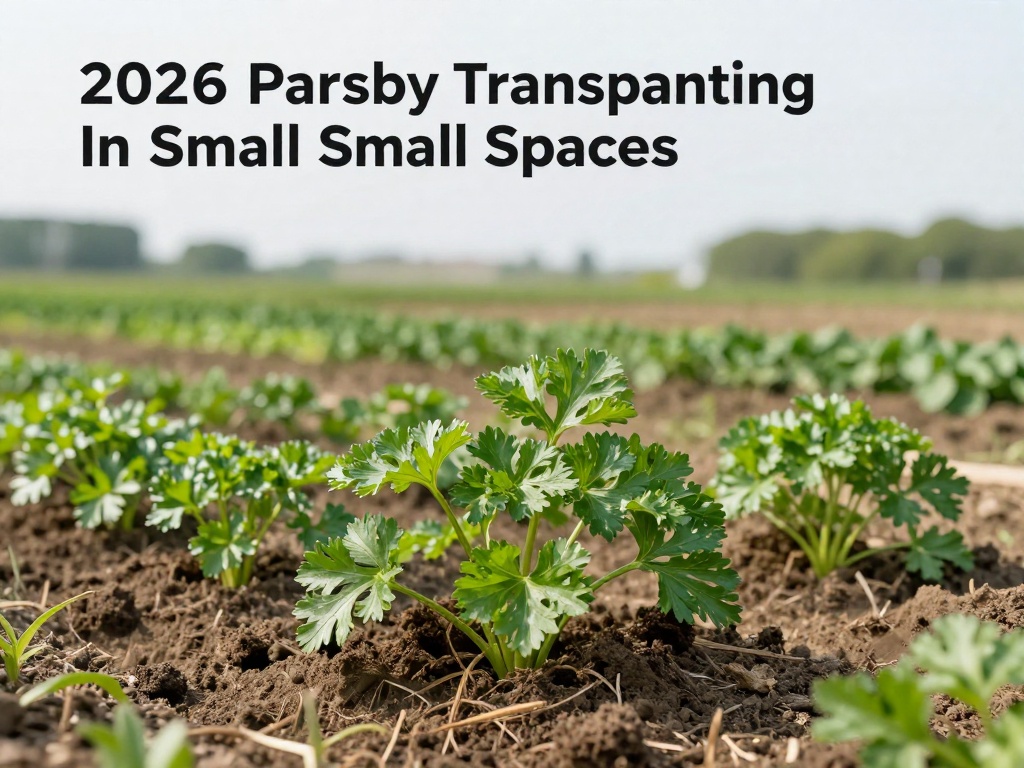
Parsley Transplanting in Small Spaces: Your 2026 Complete Guide
Parsley transplanting in small spaces has become increasingly popular among urban gardeners and apartment dwellers looking to enjoy fresh herbs year-round. Whether you have a sunny windowsill, a compact balcony, or limited square footage in your kitchen garden, successfully transplanting parsley opens doors to continuous harvests. This guide provides proven techniques specifically designed for small space gardeners seeking maximum yield from minimal area.
Why Transplant Parsley in Small Spaces?
Transplanting parsley offers significant advantages over direct seeding, especially in constrained environments. Young parsley seedlings started indoors develop stronger root systems before facing outdoor conditions, resulting in healthier plants that adapt better to container life. This method proves particularly valuable for apartment gardeners who want to control growing conditions precisely.
Small space gardeners benefit from faster harvest cycles when transplanting versus waiting for seeds to germinate and mature. You can start seeds indoors during late winter and move established seedlings outside once temperatures warm, effectively extending your growing season by several weeks in 2026.
Space Efficiency Benefits
Container-grown parsley requires minimal floor space while providing substantial culinary returns. A single healthy parsley plant produces enough fresh herbs for regular kitchen use throughout the season. Transplanting allows you to optimize vertical space by positioning containers on shelves, hanging planters, or windowsill ledges.
Quality Advantages
Transplanted parsley develops more vigorous growth patterns compared to direct-sown plants. The controlled start minimizes competition from weeds and ensures uniform spacing essential for small space optimization. Homegrown parsley simply tastes fresher than store-bought alternatives and costs significantly less over time.
Best Timing for Parsley Transplanting in 2026
Understanding seasonal timing determines transplanting success in small spaces. Parsley tolerates cool weather but struggles with extreme temperature fluctuations common during spring transitions. Most gardeners achieve best results by transplanting after the last frost date when soil temperatures reach approximately 50°F (10°C).
Spring Transplanting Schedule
For spring transplanting, start parsley seeds indoors 8-10 weeks before your expected last frost date. This allows seedlings to develop 3-4 true leaves and establishes a robust root ball before outdoor relocation. Northern gardeners should target mid-to-late May transplanting, while southern regions can move seedlings outdoors in early April.
Fall and Winter Options
Small space gardeners enjoy extended growing seasons by bringing parsley indoors before first fall frost. Container parsley thrives on sunny windowsills throughout winter months, providing continuous harvests during cold seasons. This indoor-outdoor rotation maximizes production from limited garden areas.
Step-by-Step Parsley Transplanting Process
Materials Needed
- Quality potting mix with good drainage
- Containers with adequate drainage holes (6-8 inches deep)
- Healthy parsley seedlings or nursery plants
- Watering can with fine rose attachment
- Organic fertilizer suitable for herbs
- Clean pruning shears
Container Preparation
Select containers at least 6 inches deep to accommodate parsley's taproot system. Ensure each pot contains drainage holes to prevent waterlogging, which causes root rot in container herbs. Fill containers with premium potting mix, leaving approximately 1 inch below the rim to allow for watering.
The Transplanting Technique
Gently remove parsley seedlings from their nursery containers, handling the root ball carefully to minimize disturbance. If roots appear tightly bound, gently loosen them with your fingers to encourage outward growth. Create a planting hole slightly larger than the root ball and position the seedling at the same depth it grew previously.
Fill around the root ball with potting mix, pressing firmly to eliminate air pockets. Water thoroughly until moisture drains from bottom holes, then place containers in their permanent location. Avoid transplanting during peak afternoon sun, as this stresses newly moved seedlings.
Optimal Conditions for Small Space Parsley Success
Light Requirements
Parsley requires 6-8 hours of direct sunlight daily for optimal growth. South-facing windows provide ideal conditions for indoor container gardening. If natural light proves insufficient, supplement with grow lights positioned 6-12 inches above plants for 12-14 hours daily.
Temperature and Humidity
Container parsley thrives in temperatures between 60-75°F (15-24°C), typical of most indoor environments. Avoid placing containers near heating vents or drafty doorways that cause temperature fluctuations. Indoor humidity usually suffices for parsley, though occasional misting helps during dry winter months.
Watering Guidelines
Check soil moisture daily by inserting your finger approximately 1 inch deep. Water when the top soil layer feels dry, typically every 2-3 days depending on conditions. Overwatering remains the most common mistake in small space herb gardening—ensure excess water drains freely from containers.
Feeding and Maintenance Schedule
Container parsley requires regular fertilization since nutrients leach through drainage holes with repeated watering. Apply balanced liquid fertilizer diluted to half strength every 2-3 weeks during active growth periods. Reduce feeding during winter dormancy when growth naturally slows.
Harvest parsley regularly by cutting outer stems first, encouraging bushier growth from the center. Remove any yellowing leaves promptly to maintain plant health and appearance. This maintenance routine keeps container parsley productive throughout the growing season.
Common Mistakes to Avoid
Transplanting parsley too deeply causes stem rot and plant decline. Maintain the same soil level as nursery containers, burying only the root system. Similarly, avoid compacting soil too firmly around seedlings, as this restricts oxygen flow to developing roots.
Neglecting gradual hardening-off accounts for many transplant failures. When moving seedlings from indoors to outdoor containers, introduce them to external conditions gradually over 7-10 days. Start with 1-2 hours of morning sun, increasing duration daily until plants adjust fully.
Harvesting Your Small Space Parsley
Begin harvesting once plants develop at least 3 segments with three sprigs each. Cut stems from the outer portions of the plant, leaving the center growing point intact. This harvesting method promotes continuous regeneration and extends productive life significantly.
Fresh parsley maintains quality for approximately one week when refrigerated in a plastic bag. For longer preservation, consider drying or freezing individual portions for year-round use. Regular harvesting encourages denser foliage production, making your small space investment even more rewarding.
Frequently Asked Questions
When is the best time to transplant parsley in small spaces?
The optimal transplanting window occurs 2-3 weeks after last frost when soil temperatures reach 50°F (10°C). For indoor container gardening, you can transplant parsley year-round. Spring and early fall generally provide ideal conditions for outdoor container moves.
What size container works best for transplanting parsley?
Select containers at least 6 inches deep with similar width for single parsley plants. Self-watering containers with reservoirs work exceptionally well for small space gardening, maintaining consistent moisture levels without daily attention.
How long does parsley take to establish after transplanting?
Expect parsley to show visible new growth within 1-2 weeks after transplanting. Complete establishment typically requires 3-4 weeks, after which plants enter rapid growth phase and become ready for regular harvesting.
Can I transplant parsley directly into garden beds from containers?
Yes, container-grown parsley transplants successfully into raised beds or traditional garden rows. Follow the same transplanting technique, ensuring adequate spacing of 8-10 inches between plants and preparing soil with compost amendments.
How much does small space parsley gardening cost to start?
Starting costs range from $15-30 for basic supplies including containers, potting mix, and starter plants or seeds. Quality materials last multiple seasons, making annual costs minimal. One productive parsley plant provides $20-30 worth of fresh herbs annually.
What are the most common transplanting mistakes beginners make?
Overwatering causes more transplant failures than any other factor in small space gardening. Other common errors include transplanting too early in cold conditions, disturbing roots excessively during moves, and failing to harden off indoor seedlings before outdoor placement.
How do I know if my transplanted parsley needs more light?
Leggy, pale growth with elongated stems indicates insufficient light exposure. Leaves may turn yellow or drop prematurely. Move containers to brighter locations or add supplemental grow lights to remedy these symptoms quickly.
Can parsley survive winter in small space containers?
Container parsley survives outdoors in mild climates (USDA zones 7+) with protection. In colder regions, move containers indoors to sunny windowsills before first frost. Indoor parsley continues producing throughout winter months with proper care and adequate light.
No comments