
2026 Guide to Lavender Transplanting in Small Spaces
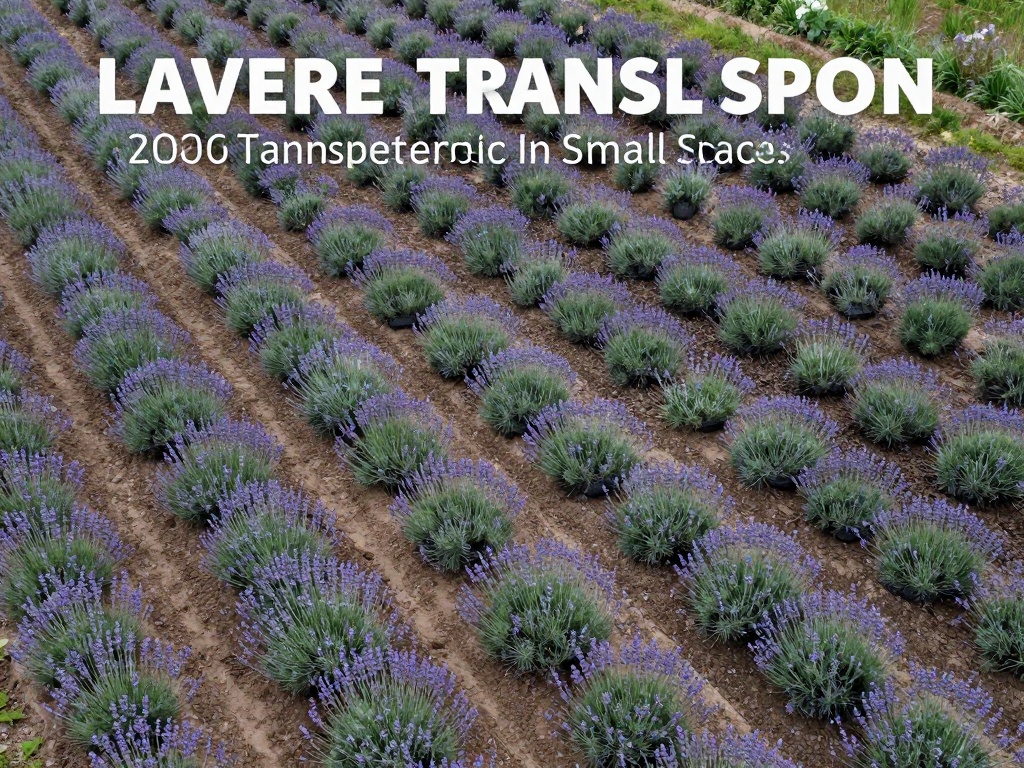
2026 Guide to Lavender Transplanting in Small Spaces
Lavender transplanting in small spaces opens doors for gardeners with limited room to enjoy this fragrant, drought-tolerant beauty. Whether you have a tiny balcony, a compact patio, or just a few square feet of sunny ground, you can successfully transplant and grow lavender with the right techniques. This step by step guide walks beginners through every phase of the process, from selecting the perfect spot to ensuring your lavender thrives year after year in containers, raised beds, and tight garden corners.
Why Lavender Is Perfect for Small Space Gardens
Lavender deserves a starring role in small space gardens for several compelling reasons. This Mediterranean herb thrives in poor, well-draining soil and tolerates drought once established, making it ideal for containers where drainage is excellent. Its compact growth habit suits vertical gardens, window boxes, and tight borders perfectly. Beyond its beauty, lavender repels mosquitoes and other pests while attracting pollinators like bees and butterflies to your outdoor space.
Small space gardeners appreciate lavender's versatility above all else. You can grow it as a standalone specimen in a decorative pot, cluster several plants in a window box, or tuck them into raised bed corners where they spill gracefully over edges. The possibilities suit urban gardeners, apartment dwellers, and anyone working with constrained planting areas.
When to Transplant Lavender in Small Spaces
Timing determines success when transplanting lavender in small spaces. The ideal window falls in early spring, just as new growth emerges, or in early fall at least four weeks before your first expected frost. Spring transplanting allows plants to establish root systems during the growing season, while fall transplanting gives roots time to settle before winter dormancy.
Avoid transplanting during summer heat waves or winter freezes. Hot weather stresses newly moved plants, while frozen ground prevents root establishment. Watch weather forecasts and plan accordingly. In containers, you have more flexibility since you can move plants to sheltered locations during temperature extremes.
Step by Step Lavender Transplanting for Beginners
Choosing the Right Container or Raised Bed Location
Select containers at least 12 inches wide and deep for single lavender plants. Terra cotta and unglazed ceramic pots excel because their porous walls allow excess moisture to evaporate, preventing root rot. Ensure every container has drainage holes at the bottom. For raised beds, position lavender plants along edges or corners where they receive full sun exposure for at least six hours daily.
Consider weight and mobility when selecting containers. Lightweight plastic or fiberglass pots work well for balconies where weight matters. If you plan to move plants indoors during winter, choose pots with built-in saucers and handles for easier transport.
Preparing the Perfect Soil Mix
Lavender demands excellent drainage, and this requirement becomes even more critical in containers. Create an optimal soil mix by combining regular potting soil with coarse sand, perlite, or small gravel in a 1:1 ratio. Some gardeners prefer adding a tablespoon of lime per gallon of mix to raise pH slightly toward alkaline conditions that lavender prefers.
Avoid standard garden soil in containers, as it compacts too tightly and retains excessive moisture. Commercial cactus or succulent mixes also work well for lavender transplanting in small spaces. The goal is a loose, fast-draining medium that dries quickly after watering.
The Actual Transplanting Process
Begin by watering your lavender plant thoroughly one to two days before transplanting. This hydration reduces transplant shock and makes root ball removal easier. Gently remove the plant from its current container, working the root ball loose if it resists. Inspect roots and trim any that appear brown, mushy, or circling the root ball's exterior.
Place your lavender in its new container at the same depth it grew previously. Planting too deep causes stem rot, while planting too shallow exposes roots unnecessarily. Fill around the root ball with your prepared soil mix, firming gently to eliminate air pockets. Water thoroughly until water flows freely from drainage holes, then place the container in its permanent sunny location.
Caring for Transplanted Lavender in Small Spaces
Watering Guidelines for Containers and Tight Spaces
Overwatering kills more lavender than underwatering ever will. After transplanting, water every two to three days for the first two weeks to help roots establish. Once established, water only when the top two inches of soil feel completely dry. In-ground lavender in raised beds typically needs watering every seven to ten days during hot weather, while container plants may require more frequent attention.
Early morning watering gives leaves time to dry before evening, reducing fungal disease risks. Always water at the soil level rather than from above to keep foliage dry. In small spaces with limited air circulation, this practice proves especially important.
Sunlight and Placement Optimization
Position your transplanted lavender where it receives maximum sunlight exposure. South-facing locations work best in the Northern Hemisphere, providing the most consistent sun throughout the day. If your small space receives only partial sun, expect reduced flowering and leggier growth. Reflective surfaces like light-colored walls or patio surfaces can boost light availability in tight corners.
Rotate container plants weekly to ensure even growth on all sides. This simple practice prevents lopsided plants and maximizes your small space's visual appeal.
Common Mistakes to Avoid When Transplanting Lavender
New gardeners often overpot lavender, choosing containers far larger than necessary. Lavender prefers snug quarters where roots fill the space before transitioning to the next size up. Oversized pots retain excess moisture that leads to root rot.
Neglecting winter protection in cold climates represents another frequent error. Move containers indoors or to sheltered locations when temperatures drop below freezing. Alternatively, insulate pots with bubble wrap or buried in mulch for in-ground plants.
Pruning too aggressively after transplanting stresses young plants. Wait at least one full growing season before significant pruning. Focus instead on removing spent flower stems and light shaping as needed.
Frequently Asked Questions
When is the best time to transplant lavender in small spaces?
Early spring when new growth emerges or early fall at least four weeks before frost provides ideal conditions for lavender transplanting. Avoid summer heat and winter freeze periods when transplanting causes unnecessary stress to plants.
What size container do I need for lavender transplanting?
A container at least 12 inches wide and deep accommodates a single mature lavender plant comfortably. Terra cotta pots work exceptionally well because their porous walls prevent moisture buildup around roots.
How often should I water newly transplanted lavender?
Water every two to three days for the first two weeks after transplanting. Once established, water only when the top two inches of soil feel dry, typically every seven to ten days depending on your climate and container size.
Can I grow multiple lavender plants in one container?
Growing multiple lavender plants together requires adequate spacing. Allow at least 12 inches between plants in large containers or window boxes. Overcrowding reduces air circulation and increases disease risks.
How long does lavender take to establish after transplanting?
Lavender typically establishes within four to six weeks after transplanting. Full root establishment takes one growing season. During this period, maintain consistent but careful watering and avoid aggressive pruning.
What soil mix works best for lavender in containers?
Mix equal parts quality potting soil and coarse sand or perlite for excellent drainage. Adding a tablespoon of lime per gallon improves pH for lavender's alkaline preferences. Commercial cactus mixes also work well.
How do I protect lavender in containers during winter?
Move containers to unheated garages, shed interiors, or against sheltered walls during winter. Wrap pots with insulating materials like bubble wrap or burlap. In milder climates, mulching heavily around container bases provides sufficient winter protection.
Is lavender transplanting in raised beds different from containers?
Raised bed transplanting follows similar principles with some advantages. Raised beds naturally drain better than in-ground gardens, reducing overwatering risks. Position lavender along bed edges where they receive maximum sun and won't shade shorter plants.
No comments