
2026 Guide to Philodendron Companion Planting in Containers
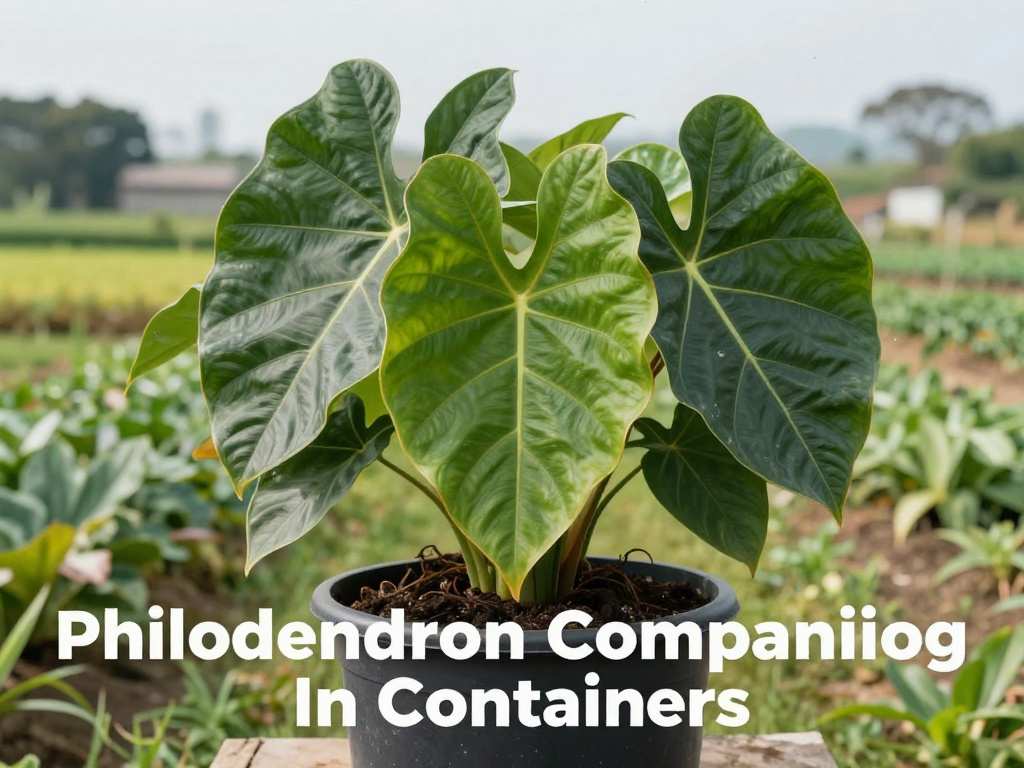
2026 Guide to Philodendron Companion Planting in Containers
Companion planting in containers offers an excellent way to create stunning, harmonious plant arrangements that benefit both your philodendrons and their plant partners. Whether you are growing philodendrons in small spaces, on a balcony, or in indoor containers, selecting the right companions can dramatically improve plant health, visual appeal, and growing conditions. This comprehensive guide reveals the best companion plants for philodendrons in containers and explains exactly how to create thriving container gardens that flourish throughout 2026 and beyond.
Why Companion Planting Matters for Container Philodendrons
Companion planting in containers serves multiple practical purposes that go beyond mere aesthetics. When you pair philodendrons with compatible plants, you create micro-ecosystems where plants support each other's growth through natural mechanisms. The philodendron's broad, lush foliage provides shade for more sensitive companions, while companion plants can help maintain optimal soil moisture levels and deter common pests.
Key Benefits of Container Companion Planting
- Improved moisture retention through varied root structures
- Natural pest deterrence from aromatic companion plants
- Enhanced visual appeal with contrasting textures and colors
- Maximized use of vertical and horizontal container space
- Better humidity control in indoor environments
Best Companion Plants for Philodendrons in Containers
Selecting the right companion plants requires understanding which species share similar growing requirements with philodendrons. The ideal companions thrive in similar conditions: filtered light, consistent moisture, and humidity levels between 60-80 percent. Here are the top performers for creating successful philodendron container gardens.
Tropical Companions for Humidity-Loving Arrangements
Pothos plants make exceptional companions for philodendrons in containers because they share identical care requirements and visual characteristics that complement each other beautifully. Both plants tolerate low light conditions and appreciate consistent watering schedules, making them perfect for beginners learning container gardening basics. The trailing nature of pothos creates visual contrast against the upright growth habit of philodendrons, resulting in dynamic arrangements that fill containers from top to bottom.
Peace lilies represent another outstanding choice for philodendron companion planting in containers, especially for indoor settings. These plants share the philodendron's preference for indirect light and moist soil, creating a seamless care routine for busy plant owners. Peace lilies also produce beautiful white blooms that contrast strikingly with philodendron foliage, adding seasonal interest to your container arrangements throughout the year.
Drought-Tolerant Companions for Mixed Containers
Snake plants offer a fascinating contrast when paired with philodendrons in larger containers, though they require careful watering management to thrive together successfully. The architectural, upright form of snake plants creates dramatic visual interest against the softer, more rounded leaves of philodendrons. This combination works particularly well in offices and living rooms where lighting conditions vary throughout the day.
ZZ plants provide another low-maintenance option for mixed container plantings, though they should only accompany philodendrons in deeper pots where root competition remains manageable. These plants tolerate neglect better than most companions, making them ideal for gardeners who occasionally forget watering schedules.
Plants to Avoid in Philodendron Container Gardens
Understanding which plants make poor companions equally important as knowing the successful pairings. Some species compete aggressively for nutrients and water, while others require conditions fundamentally incompatible with philodendron care requirements.
Aggressive Competitors to Exclude
Cacti and succulents generally make poor companions for philodendrons because they require much drier soil conditions and less frequent watering. Attempting to grow these plants together inevitably leads to root rot issues for the succulent or dehydration stress for the philodendron. Keep these species in separate containers to maintain optimal health for both plant types.
Bamboo varieties prove similarly incompatible for philodendron companion planting in containers because bamboo sends out aggressive runners that compete ruthlessly for container space and nutrients. The bamboo's invasive growth habit quickly overwhelms philodendron roots, resulting in stunted growth and declining plant health over time.
Step-by-Step Guide for Container Setup
Creating successful philodendron companion plantings requires careful attention to container selection, soil preparation, and strategic plant placement. Follow this step-by-step approach to establish thriving container gardens that will enhance your indoor or outdoor spaces throughout 2026.
Container Selection and Drainage
Choose containers with adequate drainage holes that accommodate the root systems of all companion plants in your arrangement. For philodendron companion planting in containers, select pots that are at least 12 inches in diameter to allow sufficient room for multiple plant root systems to develop without excessive competition. Terra cotta containers offer excellent breathability, while plastic containers retain moisture longer during hot summer months.
Elevate containers slightly using pot feet or small stands to ensure proper drainage and prevent waterlogging that leads to root rot. This simple step dramatically improves overall plant health and reduces maintenance requirements throughout the growing season.
Soil Composition for Mixed Container Plantings
Create a well-draining potting mix that balances moisture retention with adequate aeration for all companion plants in your container arrangement. A blend of 60 percent quality potting soil, 20 percent perlite, and 20 percent peat moss or coco coir provides excellent structure for philodendron root development while remaining suitable for most tropical companion plants. Avoid using garden soil, which may contain pests, diseases, or weed seeds that threaten container plant health.
Strategic Plant Placement
Position philodendrons in the center or background of larger container arrangements, allowing them to serve as focal points while providing shade for more sensitive companion plants. Place trailing companions like pothos along container edges where their vines can cascade gracefully over the sides. Position plants with similar light requirements together to ensure all species receive appropriate illumination throughout the day.
Care Tips for Thriving Container Gardens
Maintaining healthy philodendron companion plantings requires consistent attention to watering schedules, fertilization, and environmental conditions. These practical care guidelines will help you keep your container gardens vibrant and flourishing throughout 2026 and beyond.
Watering Strategies for Mixed Containers
Water philodendrons and their tropical companions when the top inch of soil feels dry to the touch, typically every 5-7 days depending on environmental conditions and container size. Insert your finger into the soil to test moisture levels before watering, as surface conditions often differ significantly from root zone conditions. Reduce watering frequency during winter months when plant growth slows and evaporation rates decrease.
Fertilization for Container Plantings
Feed philodendron companion plantings every 4-6 weeks during the active growing season using a balanced, water-soluble fertilizer diluted to half strength. Container plants deplete soil nutrients more rapidly than garden beds, making consistent fertilization essential for maintaining vibrant growth. Consider using slow-release fertilizer granules at the beginning of the growing season for more consistent nutrition delivery throughout the year.
Common Mistakes to Avoid
Even experienced gardeners encounter challenges with philodendron companion planting in containers. Understanding these common pitfalls helps you avoid the frustration and plant loss that come from simple but preventable errors.
Overcrowding remains the most frequent mistake, as gardeners often pack too many plants into limited container space. Each plant requires adequate room for root development, and insufficient space leads to competition for water and nutrients that weakens all specimens in the arrangement. Follow spacing recommendations based on the mature size of each plant rather than their current dimensions when initially planting containers.
Inconsistent watering schedules create stress for philodendrons and most companion plants, resulting in yellowing leaves, root problems, and increased susceptibility to pest infestations. Establish regular watering routines and monitor containers during seasonal transitions when plant water requirements change significantly.
Seasonal Considerations for 2026
Companion planting success varies throughout the year as environmental conditions shift and plants enter different growth phases. Adjust your care practices seasonally to maintain healthy, vibrant container gardens regardless of external weather conditions.
During spring and summer months, philodendrons enter active growth phases requiring more frequent watering, regular fertilization, and potential repotting if root systems become cramped. Fall brings a gradual slowdown in growth, signaling time to reduce fertilization and extend watering intervals. Winter demands minimal intervention, focusing primarily on maintaining adequate humidity levels and protecting plants from cold drafts near windows and doors.
FAQ: Philodendron Companion Planting in Containers
What are the easiest companion plants for philodendrons in containers?
Pothos, peace lilies, and spider plants represent the easiest companions for philodendrons in containers because they share identical care requirements and tolerate similar environmental conditions. These plants require minimal special attention beyond standard philodendron care, making them ideal for beginners practicing companion planting in containers for the first time.
Can I plant multiple philodendron varieties together in one container?
Yes, you can successfully combine different philodendron varieties in a single large container, creating visually striking arrangements through variations in leaf shape, size, and coloration. Ensure the container provides adequate space for multiple root systems and monitor watering carefully, as different varieties may have slightly varying moisture preferences.
How often should I water philodendron companion plantings?
Water philodendron companion plantings when the top 1-2 inches of soil feel dry, typically every 5-7 days during active growing seasons. Adjust frequency based on environmental factors like temperature, humidity, and light levels. Always check soil moisture before watering to prevent overwatering, which causes root rot in philodendrons and most tropical companion plants.
What lighting conditions do philodendron companions prefer?
Most successful philodendron companions thrive in bright, indirect light similar to their host plant. Avoid placing container gardens in direct sunlight, which scorches philodendron leaves and creates uneven drying conditions. East-facing windows or rooms with filtered light through curtains provide ideal lighting for most philodendron companion planting arrangements.
How long does it take to see results from companion planting?
You will notice initial improvements in plant health and growth within 2-4 weeks of establishing proper philodendron companion plantings. Full benefits including enhanced foliage density, improved humidity tolerance, and natural pest resistance typically develop over 2-3 months as plants establish root connections and adapt to their container environment.
What is the approximate cost of starting a philodendron container garden?
Starting a basic philodendron companion planting arrangement costs between $30-80 depending on plant selection, container choices, and soil quality. Individual philodendron plants range from $10-30, while companion plants like pothos cost $5-15 each. Quality containers, drainage materials, and potting soil add $15-40 to initial setup costs. Container gardens provide excellent long-term value as plants grow and can be propagated to create additional arrangements at minimal cost.
Can I grow vegetables alongside philodendrons in containers?
Most vegetables require more direct sunlight and different soil conditions than philodendrons, making them challenging companions in container arrangements. Some shade-tolerant herbs like mint, cilantro, and parsley may coexist with philodendrons in larger containers, though vegetable production will likely remain limited in low-light conditions preferred by tropical plants.
No comments