
Blackberries Companion Planting Step by Step 2026 Guide
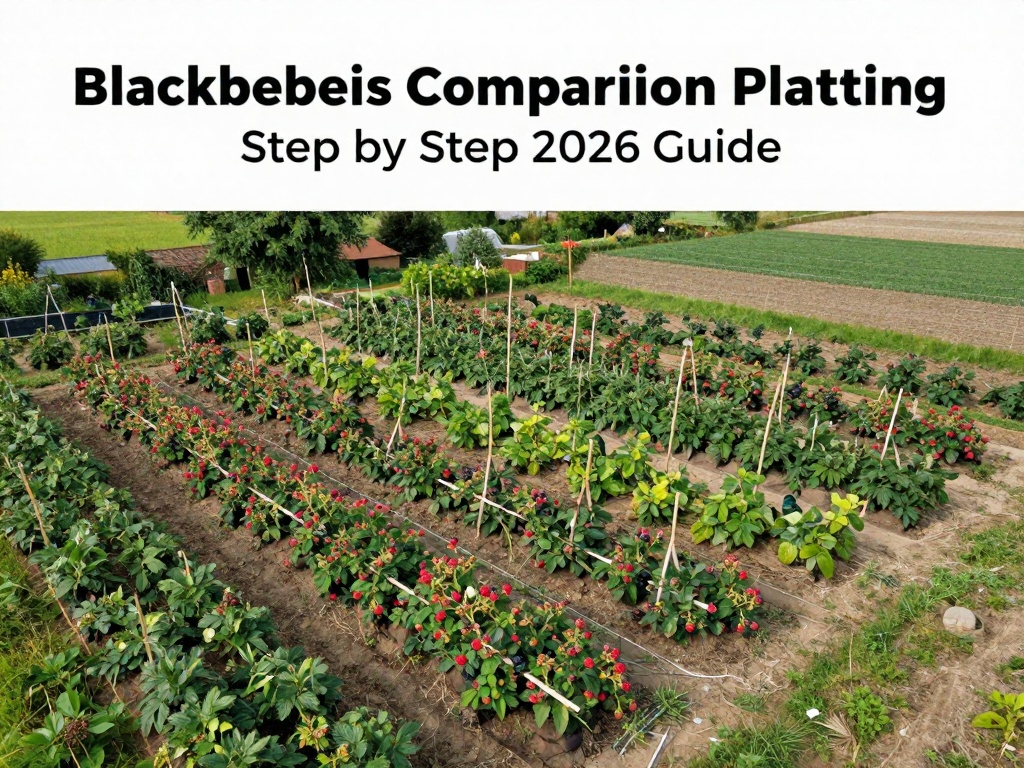
Blackberries Companion Planting Step by Step: 2026 Grower's Guide
Blackberries companion planting step by step is essential knowledge for any grower looking to maximize yields while maintaining an organic, thriving garden ecosystem. When you pair blackberries with the right companions, you create natural pest barriers, improve soil health, and increase pollination rates. This comprehensive guide walks you through every step of companion planting for blackberries, from selecting ideal partners to avoiding harmful plant combinations.
Why Companion Planting Matters for Blackberries
Companion planting transforms a solitary blackberry patch into a dynamic garden community. Blackberries thrive when surrounded by beneficial plants that attract pollinators, deter harmful insects, and fix nitrogen in the soil. Studies from agricultural universities show that diversified plantings can increase fruit yield by up to 30% compared to monoculture setups.
For beginners and experienced growers alike, understanding which plants support blackberry growth is fundamental to sustainable gardening. The right companions create microclimates that protect delicate canes during extreme weather and suppress weeds naturally.
Benefits You'll See in Your Garden
When you implement proper blackberries companion planting step by step, expect these advantages: stronger plants with better disease resistance, reduced need for chemical pesticides, improved soil structure, and enhanced flavor in your harvest. Companion plants also attract beneficial insects like ladybugs and lacewings that keep aphid populations under control naturally.
Best Companion Plants for Blackberries
Selecting the right companions makes all the difference in your success. These plants have proven relationships with blackberries across countless gardens.
Nitrogen-Fixing Companions
Legumes like clover, vetch, and peas work exceptionally well near blackberries. These plants capture atmospheric nitrogen and deposit it in the soil through their root systems. When planted between blackberry rows, legumes provide a natural fertilizer source that blackberry roots access as the legumes decompose.
White clover specifically serves multiple purposes—it acts as a living mulch, attracts pollinators, and deter rabbits from browsing young canes.
Pollinator-Attracting Flowers
Bees and butterflies are essential for blackberry pollination. Plant lavender, borage, and coneflowers within three feet of your blackberry patch to increase pollinator visits dramatically. These flowers bloom during different periods, ensuring continuous pollinator activity throughout the growing season.
Borage deserves special mention because it repels tomato hornworms and attracts beneficial predatory wasps that control garden pests.
Medicinal and Culinary Herbs
Chives, garlic, and marjoram planted near blackberries help deter aphids and spider mites through their strong aromatic oils. These herbs don't compete significantly with blackberry roots for nutrients since they have different root depths. Rosemary and sage also work well, particularly in raised beds where space is limited.
Tarragon is another excellent choice—its deep roots help break up compacted soil while its scent confuses pest insects searching for host plants.
Ground Cover Companions
Strawberries make surprisingly good neighbors for blackberries in containers or raised beds. Both plants have similar soil pH requirements (around 6.0-6.5), and strawberries fill empty space without competing aggressively for nutrients. The low-growing strawberry foliage also helps retain soil moisture around blackberry roots.
Plants to Avoid Near Blackberries
Not all plants make good companions. Some compete fiercely for resources or harbor diseases that affect blackberries.
Brassicas and Nightshades
Avoid planting broccoli, cabbage, cauliflower, and kale near blackberries. These heavy feeders compete aggressively for the same nutrients blackberries need. Similarly, tomatoes, peppers, and eggplants belong to the nightshade family and can transmit verticillium wilt—a soil-borne disease that devastates blackberry canes.
Woody Perennials
Keep blackberries at least 20 feet from established trees and large shrubs. Tree roots extend far beyond their visible canopy and will compete aggressively for water and nutrients. Additionally, fallen leaves from trees can create overly acidic conditions that blackberries dislike.
Grape vines should also be kept separate, as both plants require similar nutrients and may compete for trellis space.
Blackberries Companion Planting Step by Step Process
Now let's walk through implementing companion planting in your blackberry garden methodically.
Step 1: Assess Your Growing Space
Measure your available area and note sun exposure patterns. Blackberries require at least six hours of direct sunlight daily. Identify areas with good air circulation to prevent fungal diseases. Decide whether you're working with in-ground beds, raised beds, or containers—each has different companion planting considerations.
Step 2: Test and Prepare Your Soil
Blackberries prefer slightly acidic soil with a pH between 6.0 and 6.5. Conduct a soil test and amend accordingly using sulfur to lower pH or lime to raise it. Work in two to three inches of aged compost to improve drainage and nutrient availability. This preparation ensures your blackberries and their companions have an optimal foundation.
Step 3: Position Your Blackberries
Plant blackberry canes in rows running north to south for maximum sun exposure. Space rows at least six feet apart to allow companion plant access. Place trellises or support systems before planting to avoid disturbing roots later. Ensure good drainage—blackberries despise waterlogged soil.
Step 4: Plant Your Companion Layers
Start with nitrogen-fixing companions along the edges of your blackberry patch. Sow clover or plant pea seedlings in a band two feet wide along each row. Within the first week, add flowering companions like lavender and borage at the corners and every sixth plant space. Finally, install herb companions like chives between individual blackberry plants, maintaining six-inch spacing from canes.
Step 5: Mulch and Water
Apply three to four inches of organic mulch around all plants, keeping mulch two inches away from blackberry crowns to prevent rot. Use straw, wood chips, or shredded leaves depending on availability. Water deeply once weekly rather than light daily watering—this encourages deep root development for all plants.
Seasonal Companion Planting Calendar
Spring Tasks
Early spring is ideal for planting new companions. Sow legume seeds directly as soil temperatures reach 60°F. Set out transplants of heat-loving herbs after the last frost date in your zone. This timing allows companions to establish before blackberry canes leaf out fully.
Summer Maintenance
Summer requires light maintenance rather than major planting. Deadhead flowers to encourage continued blooming and pollinator attraction. Cut back any aggressive growers that threaten to overwhelm blackberry space. Side-dress nitrogen-fixers with compost to boost their nutrient-sharing capacity.
Fall and Winter Considerations
Leave most companion plants standing through winter to provide habitat for beneficial insects. Cut back perennials like lavender by one-third in late fall. In cold climates, add extra mulch around blackberry crowns. Plant garlic cloves in fall for harvest the following summer—garlic's strong scent deters spring pests.
Common Mistakes to Avoid
Avoid planting companions too close initially—give blackberries at least 12 inches of buffer space until you understand how vigorously each companion grows. Don't overwater companions, as blackberries are susceptible to root rot. Resist the temptation to crowd multiple companion types in small spaces; each plant needs room to access light and nutrients.
Neglecting soil pH is another common error. Test annually and adjust as needed, since companion plants may gradually alter soil chemistry over time.
Frequently Asked Questions
What are the best herbs to plant with blackberries?
Chives, garlic, lavender, marjoram, rosemary, sage, and tarragon are excellent herb companions for blackberries. These aromatic plants deter aphids, spider mites, and other common pests while attracting beneficial pollinators. Plant them in clusters of three to five plants for visual appeal and maximum pest-repelling effectiveness.
Can I grow vegetables near my blackberry bushes?
Most vegetables compete poorly near blackberries. Instead, focus on herbs, flowers, and legumes that provide specific benefits. If space is limited, plant shallow-rooted lettuce or spinach in containers positioned near—but not directly adjacent to—your blackberry patch.
How close should companion plants be to blackberries?
Maintain six to 12 inches of space between companion plants and blackberry crowns initially. As companions mature, their outer edges may touch blackberry foliage, which is acceptable. Avoid allowing aggressive spreaders to directly contact canes, as this can harbor disease and make harvest difficult.
Do blackberries need trellising when grown with companions?
Trellising remains essential regardless of companion planting. Supports keep canes off the ground, reducing disease and making harvesting easier. Train primary canes along wires and tuck companion plants beneath this canopy where they'll receive filtered light and benefit from the microclimate.
How long until I see results from companion planting?
You'll notice pollinator increases within the first growing season as flowers attract bees. Soil improvement becomes visible within two to three seasons as legumes fix nitrogen and organic matter accumulates. Maximum benefits typically manifest in year three when the garden ecosystem reaches balance.
What's the most important step for beginners?
Start with just two or three companion types rather than overwhelming yourself. Chives and lavender make ideal first companions because they're reliable, attractive, and clearly beneficial. Once you master their care, gradually add legumes and additional flowers to build a complete companion system.
No comments