
2026 Guide to Peppers Container Gardening for Beginners
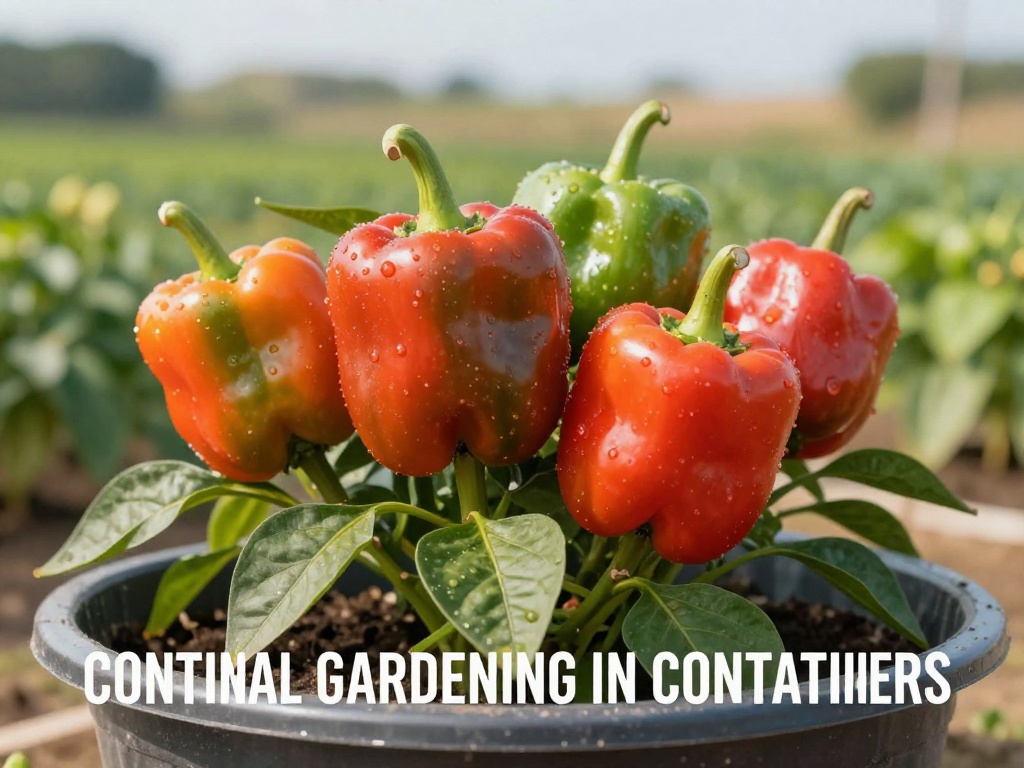
2026 Guide to Peppers Container Gardening for Beginners
Peppers container gardening offers an incredible opportunity for gardeners with limited space to enjoy fresh, flavorful peppers right from their patio or balcony. Whether you have a small apartment terrace or a compact backyard, growing peppers in containers allows you to cultivate vibrant bell peppers, spicy chilies, and sweet varieties successfully. This comprehensive guide provides step-by-step instructions for beginners seeking to master the art of container pepper cultivation in 2026.
Why Choose Container Gardening for Peppers
Container gardening has revolutionized how urban dwellers approach vegetable cultivation, and peppers prove ideal candidates for this method. Peppers thrive in warm conditions and prefer controlled environments where soil moisture and temperature can be monitored closely. Container-grown peppers also offer superior flexibility, allowing you to move plants to optimize sunlight exposure throughout the growing season.
Additionally, peppers container gardening eliminates many soil-borne disease issues that plague traditional garden beds. You can position containers strategically to capture maximum sunlight, which peppers require for abundant fruit production. The ability to customize soil mixtures specifically for pepper plants ensures optimal nutrition from seedling to harvest.
Benefits of Growing Peppers in Containers
- Perfect for balconies, patios, and small spaces
- Better control over soil quality and drainage
- Mobility to chase optimal sunlight conditions
- Reduced pest and disease pressure
- Earlier harvest compared to garden beds
- Aesthetic appeal on porches and outdoor living areas
Choosing the Best Pepper Varieties for Containers
Selecting appropriate pepper varieties forms the foundation of successful peppers container gardening. Compact and dwarf pepper cultivars perform exceptionally well in containers, producing abundant yields despite restricted root space. Consider your climate zone and preferred heat levels when making selections.
Best Bell Pepper Varieties for Containers
Bell peppers adapted to container growth include California Wonder, Red Knight, and Orange Sun varieties. These compact plants typically reach 18-24 inches in height, making them perfect for 5-gallon containers. They produce thick-walled, sweet fruits perfect for fresh eating, roasting, and culinary preparations.
Hot Pepper Varieties for Small Spaces
Hot pepper enthusiasts will find numerous varieties suited for peppers container gardening. Jalapeño, Thai Bird, Cayenne, and habanero peppers adapt beautifully to container cultivation. These plants often display ornamental value alongside their edible harvests, featuring attractive fruits ranging from green to vibrant red, orange, and purple.
Sweet and Specialty Varieties
Consider growing sweet banana peppers, mini sweet peppers, and shishito varieties for continuous harvests throughout summer. These prolific producers thrive in containers and provide abundant yields perfect for salads, stir-fries, and snacking directly from the plant.
Selecting the Perfect Container for Pepper Plants
Container size significantly impacts pepper plant health and productivity in peppers container gardening. Peppers develop extensive root systems requiring adequate space for water retention and nutrient absorption. Choosing appropriately sized containers prevents root binding and supports vigorous growth.
Container Size Requirements
Minimum container sizes vary based on pepper variety. Compact bell peppers require at least 5-gallon containers with 12-inch diameters, while larger varieties need 7-10 gallon containers. Always select containers deeper than they are wide to accommodate pepper taproot systems. Fabric grow bags offer excellent drainage and air pruning benefits for pepper roots.
Essential Container Features
- Multiple drainage holes to prevent waterlogging
- Dark-colored containers that absorb heat in cooler climates
- Light-colored containers to reflect heat in warm regions
- Sturdy bases or wheels for mobility
- Food-safe materials without harmful chemicals
The Ideal Soil Mix for Container Peppers
Creating the perfect soil mixture proves crucial for peppers container gardening success. Commercial potting mixes often lack the specific drainage and nutrient characteristics peppers require. Crafting a custom blend ensures optimal growing conditions throughout the season.
DIY Container Pepper Soil Recipe
Combine equal parts high-quality potting mix, perlite for drainage, and coconut coir for moisture retention. Add aged compost for slow-release nutrition and a handful of agricultural lime to adjust pH levels. This blend provides excellent structure while maintaining the well-draining conditions peppers prefer.
Adding Essential Nutrients
Incorporate slow-release organic fertilizer at planting time and supplement with liquid seaweed or fish emulsion every two weeks during active growth. Container peppers require consistent nutrition since frequent watering leaches nutrients from the soil medium. Monitor plants for yellowing leaves indicating nitrogen deficiency.
Step-by-Step Planting Process
Proper planting technique sets the stage for thriving pepper plants in your containers. Timing, depth, and initial care determine whether your peppers establish quickly or struggle to adapt. Follow these steps for optimal results in your peppers container gardening endeavor.
When to Plant Container Peppers
Start pepper seeds indoors 8-10 weeks before the last expected frost date in your region. Transplant seedlings to containers only after soil temperatures consistently reach 65°F (18°C) and all frost danger has passed. In cooler climates, containers allow you to extend the season by bringing plants indoors during unexpected cold snaps.
Transplanting Seedlings to Containers
Water seedlings thoroughly before transplanting to reduce shock. Remove plants carefully from nursery containers, preserving the root ball intact. Plant peppers at the same depth they grew in their original containers, burying the stem slightly deeper to encourage additional root development. Firm soil gently around roots and water thoroughly until drainage occurs.
Caring for Your Container Pepper Plants
Consistent care throughout the growing season ensures abundant harvests from your peppers container gardening efforts. Monitoring water, nutrition, and environmental conditions prevents common issues that plague container-grown peppers.
Watering Requirements and Techniques
Container peppers require more frequent watering than garden-grown plants, typically daily during hot summer months. Water deeply when the top inch of soil feels dry, applying water until it flows freely from drainage holes. Avoid shallow watering that encourages surface root development. Mulching container surfaces helps retain moisture and regulates soil temperature.
Feeding Schedule for Maximum Yield
Establish a regular feeding routine for optimal pepper production. Apply diluted liquid fertilizer every 10-14 days during vegetative growth, switching to phosphorus-rich fertilizer once flowering begins. Over-fertilizing with nitrogen once fruits set can promote foliage growth at the expense of fruit development.
Support and Pruning Techniques
Install cage or stake supports when transplanting to prevent later root disturbance. Prune the first few flowers that appear to redirect energy toward plant establishment. Remove suckers and damaged foliage throughout the season to improve air circulation and reduce disease risk.
Optimizing Sunlight and Temperature
Understanding pepper light and temperature requirements maximizes your peppers container gardening success. These warmth-loving plants demand abundant sunlight and consistent temperatures to flourish and produce bountiful harvests.
Sunlight Requirements
Pepper plants require minimum 6-8 hours of direct sunlight daily for optimal growth and fruiting. South-facing locations typically provide ideal exposure in the Northern Hemisphere. Monitor sun patterns throughout the day and position containers accordingly. If natural light proves insufficient, supplement with full-spectrum grow lights.
Temperature Considerations
Peppers thrive in temperatures between 70-85°F (21-29°C) during the day and 60-70°F (15-21°C) at night. Temperatures outside this range stress plants and reduce yields. Container gardening allows you to move plants indoors or to shadier spots during extreme heat waves, protecting them from temperatures exceeding 95°F (35°C).
Common Pests and Problems in Container Peppers
Vigilance prevents devastating pest infestations and disease outbreaks in peppers container gardening. Early identification and organic intervention methods protect plant health while maintaining edible harvests.
Identifying and Managing Common Pests
- Aphids: Spray with neem oil solution or insecticidal soap
- Spider mites: Increase humidity and apply miticide if severe
- Whiteflies: Use yellow sticky traps and horticultural oils
- pepper weevils: Remove and destroy affected fruits immediately
Preventing Disease Issues
Prevent fungal diseases by avoiding overhead watering and ensuring adequate air circulation between containers. Rotate positions of containers periodically to prevent soil-borne pathogen buildup. Remove and dispose of severely infected plants to protect neighboring containers.
Harvesting Your Container Peppers
Knowing when and how to harvest significantly impacts both yield quantity and pepper quality. Proper harvesting techniques encourage continued production throughout the season, maximizing your peppers container gardening investment.
Signs of Ripeness
Most peppers can be harvested at the green mature stage or allowed to ripen further for enhanced sweetness and color. Hot peppers typically develop maximum heat levels as they reach full color maturity. Check seed packets for specific variety maturity timelines, generally 60-90 days from transplanting.
Proper Harvesting Techniques
Use clean, sharp scissors or pruning shears to harvest peppers, leaving a small stem portion attached to the fruit. Avoid pulling or twisting fruits, which damages plant stems and reduces future production. Harvest regularly to encourage continued flowering and fruiting throughout the season.
Overwintering Pepper Plants in Containers
In regions with cold winters, peppers container gardening offers the unique advantage of overwintering plants indoors. With proper care, perennial pepper plants can produce for multiple years, providing earlier and more abundant harvests with each successive season.
Preparing Plants for Indoor Transition
Before first frost, prune plants significantly and inspect thoroughly for pests. Transplant to fresh soil mix and move containers to a bright indoor location near south-facing windows. Reduce watering frequency and cease fertilization during the dormant winter period.
Indoor Care During Winter
Maintain temperatures above 60°F (15°C) and provide supplemental lighting if natural light proves insufficient. Water sparingly, allowing soil to dry between waterings. Watch for signs of pest infestations that may accompany indoor relocation. Resume normal care as daylight hours increase in spring.
Tips for Maximum Yield in Container Peppers
Implementing advanced techniques elevates your peppers container gardening from adequate to exceptional. These proven strategies maximize production from limited container space, ensuring generous harvests despite spatial constraints.
- Hand-pollinate flowers using a small brush for guaranteed fruit set
- Maintain consistent watering to prevent blossom end rot
- Apply calcium supplementation if blossom end rot appears
- Pinch terminal growing points to encourage bushier growth
- Use reflective mulches to increase light exposure
- Group containers together to create beneficial microclimates
Frequently Asked Questions
What size container is best for growing peppers?
For compact pepper varieties, use minimum 5-gallon containers with 12-inch diameters. Larger varieties and hot peppers typically need 7-10 gallon containers. Always ensure containers have adequate drainage holes and depth for healthy root development.
Can peppers really thrive in containers?
Absolutely! Peppers adapt exceptionally well to container gardening when provided with proper soil, adequate sunlight, and consistent care. Container-grown peppers often outperform garden beds due to better drainage, controlled soil conditions, and the ability to optimize growing location.
How often should I water peppers in containers?
Container peppers typically require daily watering during summer heat, sometimes twice daily for small containers in extreme heat. Check soil moisture by inserting your finger into the top inch; water thoroughly when dry, ensuring water flows freely from drainage holes.
What is the best soil mix for container peppers?
The ideal mix combines equal parts quality potting soil, perlite for drainage, and coconut coir for moisture retention. Add aged compost for nutrition and agricultural lime to maintain proper pH between 6.0-6.8. Avoid garden soil which compacts and drains poorly in containers.
How long does it take to grow peppers in containers?
Most pepper varieties require 60-90 days from transplanting to first harvest, plus 8-10 weeks for seedling growth. Hot peppers typically mature faster than bell peppers. Starting with healthy seedlings accelerates the timeline considerably compared to direct seeding.
Do container peppers need fertilizer?
Yes, container peppers benefit from regular feeding since nutrients leach from containers with repeated watering. Apply slow-release organic fertilizer at planting and supplement with liquid fertilizer every two weeks during active growth. Reduce feeding once fruits begin to ripen.
No comments