
Beans Companion Planting for Beginners: 2026 Complete Guide
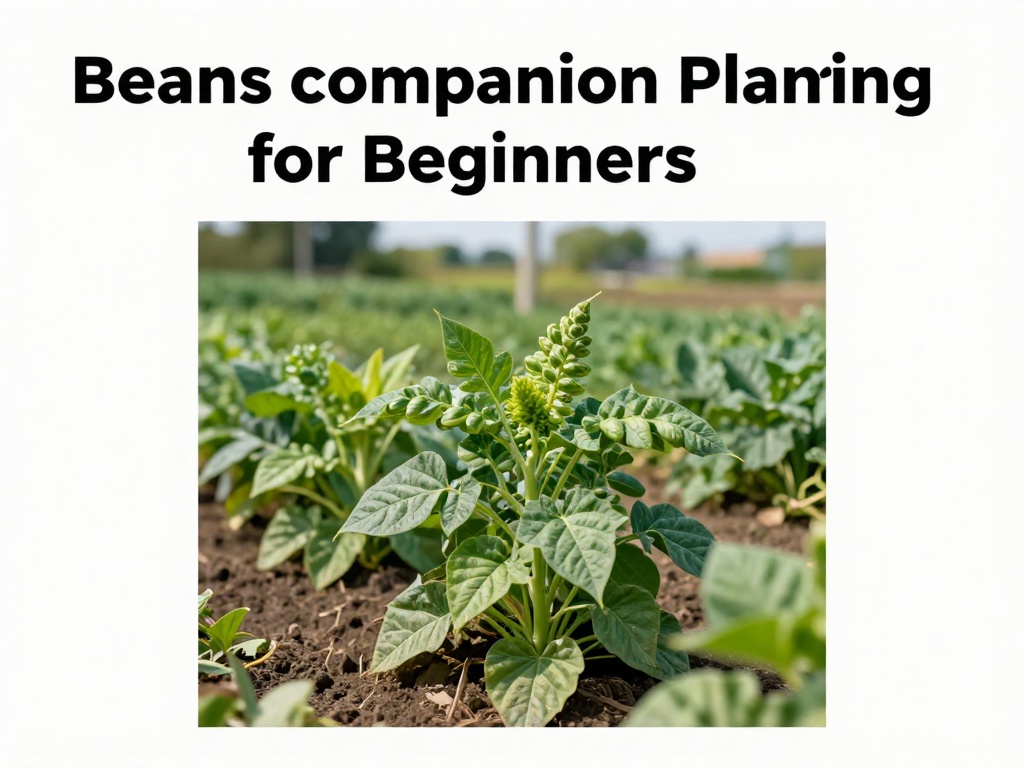
Beans Companion Planting for Beginners: 2026 Complete Guide
Companion planting represents one of the most rewarding strategies for beginners growing beans in their vegetable gardens. This natural approach to garden planning helps beans thrive while maximizing space and deterring pests without relying on chemicals. Understanding which plants support bean growth can transform a modest backyard plot into a highly productive garden.
Why Companion Planting Matters for Beans
Beans belong to the legume family, uniquely capable of fixing nitrogen from the atmosphere through specialized root bacteria called rhizobia. This natural process enriches surrounding soil, benefiting neighboring plants that require nitrogen for healthy leaf development and fruit production.
Companion planting extends beyond nitrogen fixation. Strategic plant groupings create natural pest barriers, improve pollination rates, and optimize available garden space—critical factors for beginners working with limited areas.
The Science Behind Bean Companion Planting
When beans convert atmospheric nitrogen into usable soil nutrients, neighboring plants gain access to this natural fertilizer. This symbiotic relationship explains why the "Three Sisters" method—combining corn, beans, and squash—has sustained Indigenous agricultural practices for centuries.
Best Companion Plants for Beans in 2026
Beans and Corn: The Classic Combination
The traditional Three Sisters planting pairs pole beans with corn and squash. Corn provides natural trellising for climbing bean varieties while beans fix nitrogen that corn desperately needs for vigorous growth. The sprawling squash vines shade the soil, retaining moisture and suppressing weeds between plants.
Root Vegetables as Bean Companions
Carrots, beets, and radishes make excellent neighbors for bush bean varieties. These root vegetables occupy different soil zones than beans, minimizing competition for nutrients and water. Carrots particularly benefit from beans' nitrogen contributions, producing sweeter, more robust roots.
Herbs That Support Bean Growth
Savory, rosemary, and thyme planted near beans help repel harmful insects including bean beetles and aphids. The strong aromatic oils from these herbs confuse pest insects seeking host plants, providing natural protection for developing bean pods.
Marigolds: The Ultimate Garden Protector
Planting marigolds around bean beds serves multiple purposes for beginners. These vibrant flowers repel nematodes that damage bean roots while attracting beneficial pollinators and predatory insects that keep aphid populations under control.
Plants to Avoid Near Beans
Not all garden combinations work harmoniously. Understanding which plants harm beans prevents common beginner mistakes that reduce yields and invite disease.
Onion Family: Poor Bean Partners
Onions, garlic, shallots, and chives release compounds that inhibit bean plant growth. These alliums contain sulfur-based chemicals that interfere with the nitrogen-fixing bacteria essential for healthy bean development. Maintain at least 12 inches distance between bean rows and allium plantings.
Fennel: A Garden Outcast
Fennel produces substances toxic to most garden vegetables, including beans. This herb grows best in isolated containers or dedicated herb gardens away from primary vegetable beds.
Sunflowers Compete Aggressively
While visually appealing, sunflowers compete intensely with beans for water and nutrients. Their allelopathic properties can suppress bean germination and stunt growth, particularly concerning for beginners working with limited garden space.
Step-by-Step Companion Planting Layout
Planning Your Bean Garden in Small Spaces
Beginners with limited garden areas can successfully implement companion planting through thoughtful vertical and interplanting strategies. Raised beds work exceptionally well for controlling companion groupings and optimizing soil conditions for beans.
Start by designating the sunniest garden section for beans, as they require at least six hours of daily sunlight for optimal production. Map out companion plants in concentric rings or alternating rows, ensuring tall companions like corn do not shade shorter plants unnecessarily.
Spacing Guidelines for Bean Companions
Proper spacing prevents competition while maximizing companion benefits. Bush beans require 4-6 inches between plants and 18-24 inches between rows. Position carrot rows 3 inches from bean plantings, allowing adequate room for root expansion. Integrate marigolds at garden bed edges, spacing them 8-10 inches apart for continuous blooming protection.
Seasonal Timing for Maximum Results
Understanding regional frost dates determines optimal planting sequences for bean companion success. Beans require warm soil temperatures above 60°F for germination, typically planting 2-3 weeks after the last expected frost in most regions.
Spring Planning Considerations
Prepare beds with composted organic matter before planting. Corn should be established first, growing 6-8 inches tall before bean planting begins. This staggered timing ensures corn stems provide adequate support for climbing varieties.
Succession Planting Through Summer
Beginners can extend harvest periods by planting bush bean succession crops every 2-3 weeks. Pair each succession planting with fresh herb companions to maintain continuous pest protection throughout the growing season.
Common Beginner Companion Planting Mistakes
New gardeners often overcrowd companion plantings, reducing air circulation and increasing fungal disease risk. Maintain recommended spacing even when plants appear small—companion plants will fill available space during the growing season.
Neglecting soil preparation undermines even well-planned companion arrangements. Beans prefer slightly acidic to neutral soil with pH between 6.0-7.0. Test soil conditions before planting and amend as necessary with lime or sulfur according to regional recommendations.
Overwatering poses particular risks for beans and their companions. Excessive moisture promotes root rot and bacterial diseases. Implement drip irrigation or water deeply at soil level during morning hours, allowing foliage to dry before evening.
Maximizing Yield Through Strategic Combinations
For maximum yield in limited space, consider this proven arrangement: plant pole beans at the center of raised beds with corn supports every 12 inches. Interplant radishes between corn posts for quick harvests. Surround beds with marigolds and border carrots along edges. Fill remaining spaces with summer savory, creating a complete companion ecosystem within a single bed.
This intensive approach rewards beginners with abundant harvests while naturally maintaining soil health through complementary plant relationships. The garden becomes self-supporting, reducing fertilizer needs and pest management efforts season after season.
FAQ
What is the best companion plant for beginners growing beans?
Marigolds rank among the best companions for beginners because they provide multiple benefits: pest repellent properties, pollinator attraction, and visual appeal. They're also forgiving of minor care mistakes, making them ideal for new gardeners learning bean cultivation.
How long does it take to see results from companion planting beans?
Visible improvements typically appear within 4-6 weeks after establishing companion plantings. Nitrogen benefits to neighboring plants become most apparent mid-season when beans actively fix atmospheric nitrogen. Pest reduction effects may appear within days of planting aromatic companions.
Can I practice companion planting with beans in containers?
Absolutely. Container gardening works well for bush bean varieties paired with compact herbs like thyme and marigolds. Use containers at least 12 inches deep with drainage holes. Position companions in separate containers grouped near bean pots for effective pest protection.
What common mistakes do beginners make with beans companion planting?
The most frequent errors include planting alliums too close to beans, overcrowding plants, overwatering, and choosing incompatible tall plants that create excessive shade. Beginners should also avoid planting beans in the same location year after year without rotation.
How much does companion planting cost compared to traditional gardening?
Companion planting typically reduces costs by minimizing fertilizer purchases and eliminating chemical pesticides. Initial investments include seeds or transplants and possibly marigold starts. The approach becomes increasingly economical as companion plants self-seed and multiply in subsequent seasons.
What effort level is required for successful bean companion planting?
Companion planting requires moderate initial effort for planning and setup, followed by standard garden maintenance. The approach reduces long-term effort by creating natural pest resistance and soil fertility, decreasing the need for constant intervention and soil amendments.
No comments