
Carrots Vertical Gardening Easy Method: 2026 Complete Guide
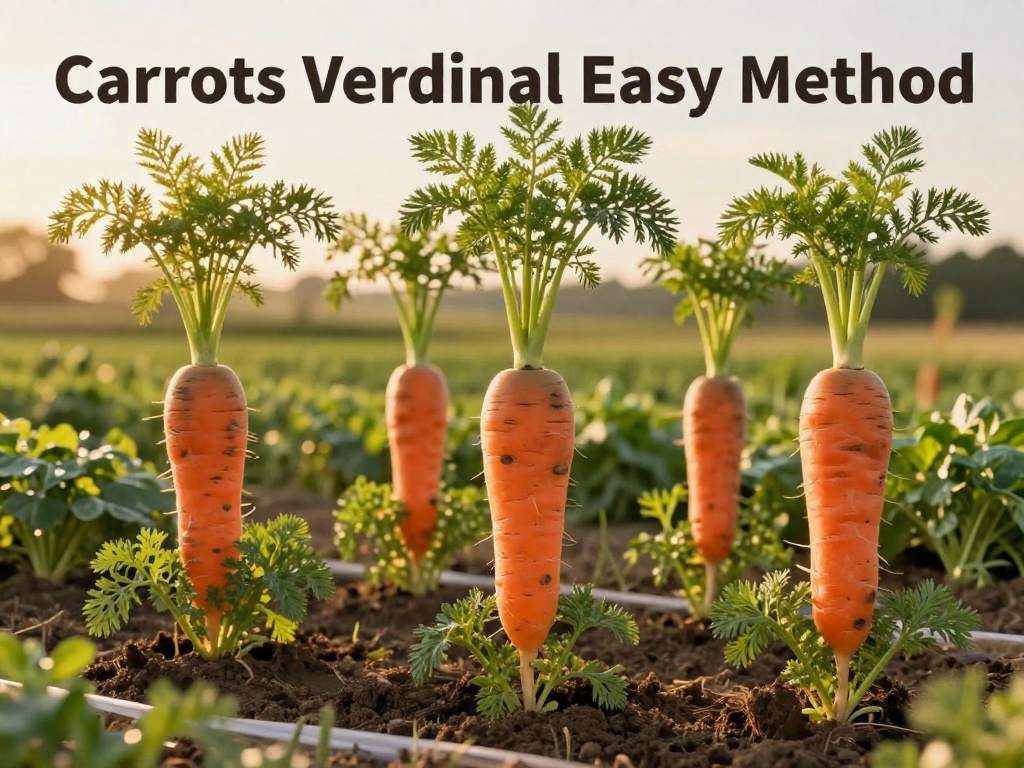
Carrots Vertical Gardening Easy Method: 2026 Complete Guide
Vertical gardening transforms how you grow carrots, making it possible to cultivate sweet, crisp roots even in the smallest spaces. Whether you have a tiny balcony, a compact patio, or limited raised beds, this carrots vertical gardening easy method lets you enjoy fresh, homegrown carrots without needing a traditional in-ground garden. This step-by-step guide covers everything from container selection to harvest, so you can start growing carrots vertically today.
Why Choose Vertical Gardening for Carrots
Traditional carrot cultivation requires loose, deep soil that can be challenging to maintain in urban environments. Carrots vertical gardening easy method solves this problem by using vertical space rather than ground space, allowing anyone with a sunny spot to grow carrots successfully.
Vertical gardens offer several advantages: they reduce pest pressure since carrots grown in elevated containers face fewer soil-dwelling insects. Water drainage improves dramatically, preventing the root rot that often plagues carrots in poorly drained beds. Additionally, harvesting becomes effortless—you simply reach up rather than bending down to dig in soil.
For beginners and experienced gardeners alike, growing carrots vertically produces straighter, more uniform roots. The controlled environment of containers means you can optimize soil conditions specifically for carrot growth, resulting in sweeter, more tender carrots that outperform store-bought varieties.
Materials Needed for Carrot Vertical Gardening
Essential Materials
Before beginning your vertical carrot garden, gather these basic supplies. You will need containers with adequate depth—at least 12 inches for most carrot varieties. Plastic bottles, grow bags, PVC pipes with holes cut out, or wooden planters all work well for vertical carrot gardening in containers.
Quality potting mix forms the foundation of successful vertical carrot cultivation. Choose a lightweight, well-draining medium specifically formulated for containers. Avoid garden soil, which compacts too heavily for vertical setups and can harbor pests. You also need carrot seeds—small varieties perform best in vertical gardens.
Support structures keep your vertical garden stable. Wall-mounted planters, tiered shelving units, or sturdy hooks that hold containers securely against walls or railings complete your setup. Finally, collect small rocks or broken pottery pieces for drainage layer placement at the bottom of each container.
Recommended Tools
Basic gardening tools make the process smoother. A hand trowel helps with soil filling, and a spray bottle or gentle watering can provides careful irrigation without disturbing seeds. Garden gloves protect your hands during soil preparation and harvesting.
Step-by-Step Carrots Vertical Gardening Easy Method
Choosing the Right Containers
Container selection determines your success with vertical carrot gardening. The key requirement is depth—carrots need room for their roots to extend downward without restriction. Select containers at least 12 inches deep for shorter varieties, or 15-18 inches for longer carrot types like Nantes or Danvers.
Width matters less than depth, making narrow vertical containers perfectly viable. Pocket-style planters, rain gutter sections, or stacked milk crates all accommodate carrot growth when filled with appropriate soil depth. Ensure your containers have drainage holes to prevent waterlogging, which causes forking and rot in carrot roots.
Soil Preparation for Maximum Yield
Prepare your soil mixture for optimal carrot development. Combine equal parts high-quality potting mix, coarse sand, and compost. This blend provides the loose, sandy texture carrots require while retaining enough moisture and nutrients for healthy growth.
Avoid clumps, rocks, or debris in your soil mixture. Carrots growing in obstructed soil will fork, split, or develop crooked shapes. Sift your soil carefully before filling containers, removing any particles larger than a pea. This extra step rewards you with straight, beautiful carrots at harvest time.
Fill containers to within one inch of the rim, firming the soil gently as you go. Water thoroughly and allow the soil to settle overnight before planting. This settling process reveals any low spots requiring additional soil before you sow seeds.
Planting Carrot Seeds Vertically
Sow carrot seeds directly into your prepared containers—carrots dislike root disturbance from transplanting. Create shallow furrows about a quarter-inch deep using your finger or a pencil. Space rows at least 2-3 inches apart in wider containers.
Sprinkle seeds sparingly along the furrow, aiming for about one seed per quarter-inch. Carrot seeds are tiny, and overcrowding leads to tangled, stunted roots. Cover seeds lightly with fine soil, pressing gently to ensure good seed-to-soil contact.
Mist the soil surface with water and maintain consistent moisture until germination occurs—typically 14-21 days depending on temperature and variety. Covering containers with clear plastic wrap creates a mini-greenhouse effect that speeds germination in cool weather.
Vertical Setup and Positioning
Position your vertical carrot garden to receive at least 6-8 hours of direct sunlight daily. Carrots grow best in full sun, though they tolerate partial shade in hotter climates. South-facing walls, balcony railings, or sunny patio spots work excellently for vertical carrot cultivation.
Mount or arrange containers securely before planting to avoid disturbing seedlings later. Stacked configurations work well when each tier receives adequate light—position higher tiers for maximum sun exposure. Consider using tiered plant stands or wall-mounted pocket planters for efficient vertical space use.
Ensure your vertical setup remains stable against wind gusts. Heavier containers at ground level provide stability, while lighter ones mount higher. Secure wall-mounted planters firmly, and consider adding weight to tall, top-heavy arrangements using stones in the drainage layer.
Best Carrot Varieties for Vertical Gardening
Selecting appropriate carrot varieties maximizes your vertical gardening success. Short and round varieties thrive in shallower containers, while slender, tapered carrots perform well in deeper vertical planters.
Little Finger carrots mature at just 3-4 inches long, making them ideal for containers with limited soil depth. Paris Market carrots produce round, compact roots perfect for small vertical spaces. Thumbelina carrots offer versatility and perform beautifully in any container size.
For deeper containers, consider Nantes varieties—which produce cylindrical, sweet carrots—or Danvers half-long carrots that adapt well to container growing. Romeo carrots, a round variety bred for containers, mature quickly and suit beginners starting their vertical gardening journey.
Caring for Your Vertical Carrot Garden
Watering Requirements
Consistent moisture produces the sweetest, most tender carrots. Vertical containers dry out faster than ground beds, requiring more frequent watering—sometimes daily during hot weather. Check soil moisture by inserting your finger into the top inch of soil; water when it feels dry.
Water deeply to encourage deep root growth rather than frequent shallow watering. Apply water slowly until it drains from container bottoms, ensuring moisture reaches the entire root zone. Morning watering allows foliage to dry before evening, reducing fungal disease risk.
Fertilizing for Healthy Growth
Feed your vertical carrots with balanced, low-nitrogen fertilizer once monthly during the growing season. Excessive nitrogen produces lush tops but small, forked roots—the opposite of what you want. Choose fertilizers formulated for root vegetables, applying at half the package-recommended strength.
Compost tea provides excellent nutrition for organic gardeners. Apply every two weeks during active growth for vigorous, healthy carrot development. Side-dress containers with thin compost layers, scratching it gently into the soil surface without disturbing carrot roots.
Common Mistakes to Avoid
Many gardeners undermine their vertical carrot gardens by making preventable errors. Overcrowding ranks among the most common mistakes—thin seedlings to 2-3 inches apart once they sprout to allow room for root development.
Using garden soil instead of potting mix causes compaction problems in vertical containers. Garden soil lacks the drainage and friability carrots need, resulting in stunted, deformed roots. Invest in quality potting medium for consistent results.
Neglecting watering consistency creates bitter, tough carrots. Uneven moisture causes stress that affects flavor and texture. Install drip irrigation or self-watering containers if you cannot water consistently, ensuring steady moisture throughout the growing period.
Harvesting and Storing Your Vertical Carrots
Harvest carrots when they reach mature size—typically 60-75 days after germination depending on variety. The tops should display vibrant green color, and you should see the carrot crown visible at soil level. Gently grasp the foliage and pull straight upward, loosening soil around the root first if needed.
Harvest in the afternoon when sugar content peaks for the sweetest flavor. Remove foliage immediately after harvesting, leaving about half an inch of stems attached. Wash carrots thoroughly and dry them before storage to prevent rot.
Store carrots in the refrigerator for up to one month. For longer storage, pack them in slightly damp sand or sawdust in a cool basement or root cellar. Properly stored vertical garden carrots remain crisp and delicious throughout the winter months.
FAQ
What containers work best for carrots vertical gardening easy method?
Deep containers with at least 12 inches of soil depth work best. Grow bags, plastic bottles with cut tops, PVC pipes with horizontal holes, wooden planters, and fabric smart pots all produce excellent results in vertical carrot gardens.
How long does it take to grow carrots vertically?
Most carrot varieties mature in 60-90 days from seed germination. Small container varieties like Little Finger mature faster, often ready within 55-65 days. Vertical growing does not significantly alter the growing timeline compared to traditional methods.
Can beginners successfully grow carrots using vertical gardening techniques?
Yes, beginners succeed readily with this carrots vertical gardening easy method. Container gardening provides more control over soil conditions, drainage, and pest management than traditional garden beds, making it ideal for first-time carrot growers.
What is the biggest mistake to avoid when growing carrots vertically?
Overwatering and poor drainage cause the most failures. Vertical containers must have adequate drainage holes, and watering should maintain consistent moisture without waterlogging. Use well-draining potting mix and avoid letting containers sit in standing water.
How much sunlight do vertical carrots need?
Carrots require minimum 6 hours of direct sunlight daily for optimal growth and sweetness. Morning sun with afternoon shade suits hot climates, while full sun positions work best in moderate temperature zones. Insufficient light produces pale, bland carrots.
What is the cost of starting a vertical carrot garden?
Starting costs range from $10-50 depending on your approach. Repurposed containers like plastic bottles cost nothing, while commercial grow bags or tiered planters run $20-40. Quality potting mix and seeds add another $10-15. The method is highly economical compared to traditional gardening.
No comments