
Beans Transplanting in Pots: 2026 Complete Grower's Guide
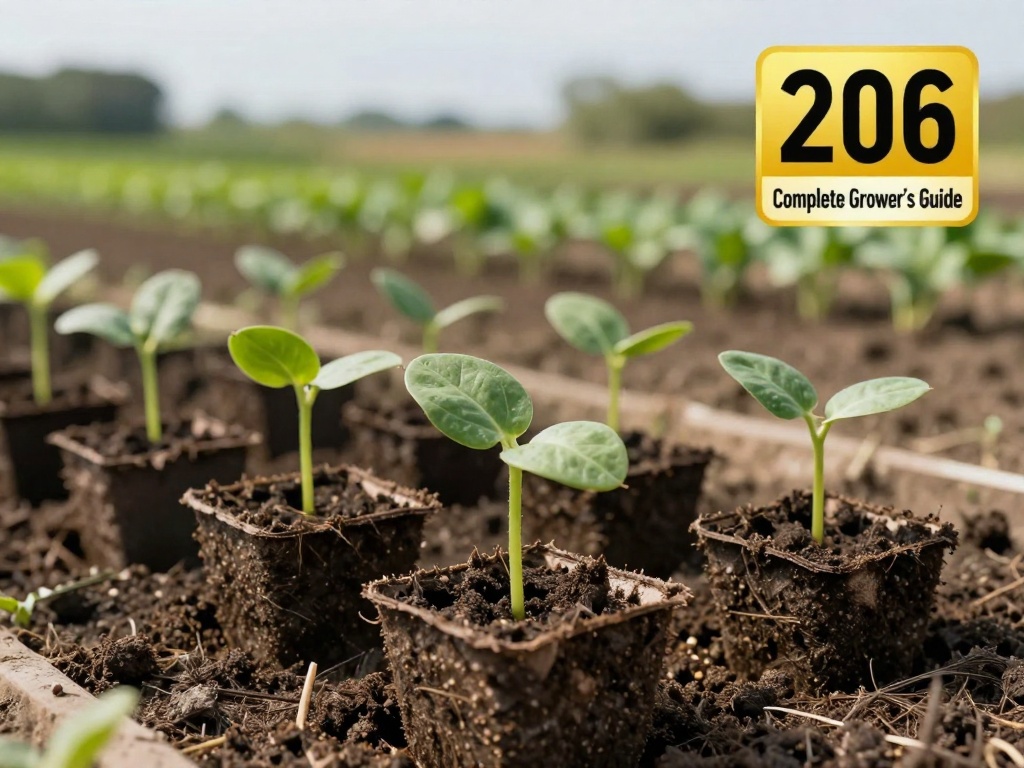
Beans Transplanting in Pots: 2026 Complete Grower's Guide
Transplanting beans in pots offers a flexible solution for gardeners with limited space, allowing you to grow delicious, fresh beans on patios, balconies, and even windowsills. Whether you are a beginner or an experienced gardener, understanding the proper techniques for beans transplanting in pots can significantly improve your harvest success rates. This comprehensive guide walks you through every step of the process, from selecting the right containers to caring for your transplanted bean plants throughout the growing season.
Why Grow Beans in Pots?
Container gardening has gained tremendous popularity in recent years, and beans are among the most rewarding vegetables to grow in confined spaces. Beans transplanting in pots allows you to control growing conditions, move plants to optimal sun locations, and avoid soil-borne diseases that often affect garden beds.
Growing beans in containers also extends your growing season, as you can start plants indoors and move them outside when temperatures warm. Additionally, potted bean plants make excellent use of vertical space when paired with trellises, making them ideal for small-space gardeners seeking maximum yield.
Benefits of Container-Grown Beans
- Space efficiency for balconies, patios, and small gardens
- Better control over soil quality and drainage
- Reduced risk of soil-borne diseases and pests
- Easy relocation for optimal sunlight exposure
- Earlier planting start with indoor seed starting
Choosing the Right Beans Varieties for Pots
Not all bean varieties perform equally well in containers. Selecting the appropriate variety is crucial for successful transplanting beans in pots. Bush beans and dwarf varieties are particularly well-suited for container growing, as they require less vertical space and have more manageable root systems.
Best Bean Varieties for Container Gardening
Bush Beans: These compact plants grow to about 18-24 inches tall and do not require staking. Popular varieties include 'Provider,' 'Blue Lake Bush,' and 'Contender.' Bush beans are ideal for beginners and produce reliable harvests in containers.
Compact Pole Beans: While pole beans typically need support, certain compact varieties work well in large pots with minimal trellising. 'Mascotte' and 'Hestia' are excellent choices for their restrained growth habits and prolific production.
Dwarf French Beans: These varieties produce tender, stringless pods and adapt exceptionally well to container life. 'Ferrari' and 'Masterpiece' offer excellent flavor and high yields in small spaces.
Selecting the Perfect Container for Beans
Container selection significantly impacts the success of your beans transplanting efforts. Beans develop extensive root systems that require adequate depth and width to thrive and produce abundant harvests.
Container Size Requirements
For bush beans, use containers that are at least 12 inches deep and 12 inches in diameter. Each bush bean plant requires approximately 2 gallons of soil volume. For pole beans, choose deeper containers—at least 15 inches deep—to accommodate their more extensive root systems.
Material choice affects watering frequency and temperature regulation. Terracotta pots offer excellent breathability but dry out quickly. Plastic containers retain moisture longer, while fabric grow bags provide exceptional root aeration and prevent overwatering.
Drainage Considerations
Proper drainage is essential when growing beans in pots. Ensure your containers have multiple drainage holes at the bottom. Place a layer of gravel or broken pottery shards over the holes to prevent soil compaction and maintain consistent drainage throughout the growing season.
Preparing Soil Mix for Bean Containers
Beans are legumes that fix their own nitrogen, but they still require a well-balanced growing medium for optimal growth. Commercial potting mixes work well, or you can create your own blend for better results.
Ideal Soil Composition
Mix two parts high-quality potting soil with one part compost to provide essential nutrients. Add perlite or coarse sand to improve drainage and aeration. The ideal pH range for beans is 6.0 to 6.8. Avoid using garden soil directly, as it may contain pathogens and often drains poorly in containers.
For organic gardening enthusiasts, incorporate well-rotted manure or worm castings into your mix. These natural amendments provide slow-release nutrition and improve soil structure without chemical inputs.
Step-by-Step Beans Transplanting Process
Proper transplanting technique ensures minimal root disturbance and promotes rapid establishment in containers. Follow these steps for successful beans transplanting in pots.
When to Transplant Bean Seedlings
Transplant bean seedlings when they have developed their second set of true leaves, typically 2-3 weeks after germination. Avoid transplanting during hot afternoon hours or when nighttime temperatures drop below 50°F (10°C). Overcast days provide ideal conditions for transplanting.
The Transplanting Procedure
Water your seedlings thoroughly 2-3 hours before transplanting. Gently remove each seedling from its starting cell or pot, supporting the root ball carefully. Never pull seedlings by their stems, as this causes damage and setbacks.
Fill your container with prepared soil mix, leaving approximately 2 inches below the rim. Create a hole deep enough to accommodate the root ball, placing the seedling at the same depth it grew previously. Firm the soil gently around the roots and water immediately to settle the soil and eliminate air pockets.
Caring for Transplanted Bean Plants in Pots
After transplanting beans in pots, proper care ensures healthy growth and abundant production. Attention to watering, feeding, and environmental conditions makes the difference between mediocre and exceptional harvests.
Watering Requirements
Beans require consistent moisture, especially during flowering and pod development. Water deeply when the top inch of soil feels dry, typically every 2-3 days depending on weather conditions. Container-grown beans may need daily watering during hot summer months. Avoid overhead watering, which promotes fungal diseases; instead, water at the soil surface.
Feeding Schedule
While beans fix their own nitrogen, they benefit from additional nutrients during flowering and fruiting. Apply a balanced liquid fertilizer (10-10-10) every two weeks once plants begin flowering. Alternatively, side-dress with compost or apply a light layer of worm castings around each plant base.
Support Structures for Potted Beans
Even bush beans benefit from light support when grown in pots. Install a small tomato cage or insert three bamboo stakes in a teepee formation. This prevents plants from toppling during wind or when laden with developing pods, keeping your container bean gardening tidy and productive.
Common Mistakes to Avoid
Understanding common pitfalls helps you avoid them and achieve better results with your beans transplanting in pots endeavors.
Transplanting Shock Prevention
Acclimate seedlings gradually to outdoor conditions by hardening them off for 7-10 days before permanent transplanting. Start with one hour of indirect sunlight and increase daily. Transplanting tender seedlings directly into full sun causes stress and stunted growth.
Overwatering and Poor Drainage
Excessive moisture causes root rot and fungal problems in beans. Ensure your containers drain freely and never let pots sit in standing water. Using saucers is acceptable, but empty them after watering to prevent waterlogging.
Incorrect Spacing in Containers
Resist the temptation to overcrowd multiple plants in one pot. Even in larger containers, maintain proper spacing—typically one bush bean plant per 12-inch pot. Overcrowding creates competition for nutrients and water, resulting in weak, unproductive plants.
Harvesting and Maximizing Your Bean Yield
Proper harvesting techniques encourage continued production and maximize your container garden's output. Most bush beans begin producing within 50-60 days of transplanting.
Harvesting Tips
Pick beans when pods are firm and have reached their mature length but before seeds bulge noticeably. Harvest regularly every 2-3 days to encourage continued flowering and production. Use scissors or garden snips to cut pods rather than pulling, which can damage the plant.
Extending the Harvest Season
Succession planting every 2-3 weeks ensures continuous harvests throughout the growing season. Start new seedlings indoors while current plants are producing, and transplant them into fresh containers as previous plants finish their production cycle.
Troubleshooting Common Bean Problems
Even with proper care, bean plants may encounter occasional issues. Quick identification and intervention prevent minor problems from becoming major setbacks in your container bean garden.
Yellowing Leaves
Lower leaves turning yellow typically indicate natural aging, as beans concentrate growth in newer foliage. However, overall yellowing may signal nitrogen deficiency, overwatering, or root problems. Adjust your watering schedule and consider applying a nitrogen-rich fertilizer if leaves remain pale.
Poor Flowering or Fruit Set
Beans dropping flowers or failing to set pods often results from excessive heat (above 90°F), inconsistent watering, or insufficient pollination. Maintain regular watering during hot weather and shake plants gently to improve pollen distribution in absence of pollinators.
FAQ: Beans Transplanting in Pots
When is the best time to transplant bean seedlings to pots?
The ideal time to transplant beans is 2-3 weeks after germination when seedlings have developed their second set of true leaves. Transplant in the evening or on overcast days to minimize transplant shock, and only move plants outdoors when nighttime temperatures consistently stay above 50°F (10°C).
How deep should pots be for growing beans?
Bush beans require minimum container depth of 12 inches, while pole beans need at least 15 inches depth for their extensive root systems. Width should be at least 12 inches for bush varieties. Larger containers (18-24 inches) produce better yields as they retain moisture longer and provide more room for root development.
Can I transplant store-bought bean seedlings into pots?
Yes, you can transplant nursery-grown bean seedlings into pots, but check they are healthy and not root-bound. Gently loosen the root ball before planting and provide the same care as home-grown transplants. Starting beans from seed is often preferred since they germinate quickly and transplant easily.
How often should I water beans in containers?
Water container beans when the top inch of soil feels dry, typically every 2-3 days. During hot summer weather, daily watering may be necessary. Ensure excellent drainage and never let containers sit in standing water. Consistent moisture is critical during flowering and pod development.
What common mistakes should beginners avoid?
Beginners should avoid transplanting too early (before true leaves develop), overwatering, using inadequate container sizes, planting too deeply, and failing to harden off seedlings. Also avoid garden soil in containers and overcrowding plants. Proper preparation prevents most common failures.
How long does it take to harvest beans after transplanting?
Most bush beans produce harvestable pods within 50-60 days after transplanting, while pole beans may take 60-70 days. Pole varieties continue producing for longer periods once established. Regular harvesting every 2-3 days encourages additional flowering and extends the production season.
No comments