
Roses Raised Bed Organic Method: 2026 Complete Growing Guide
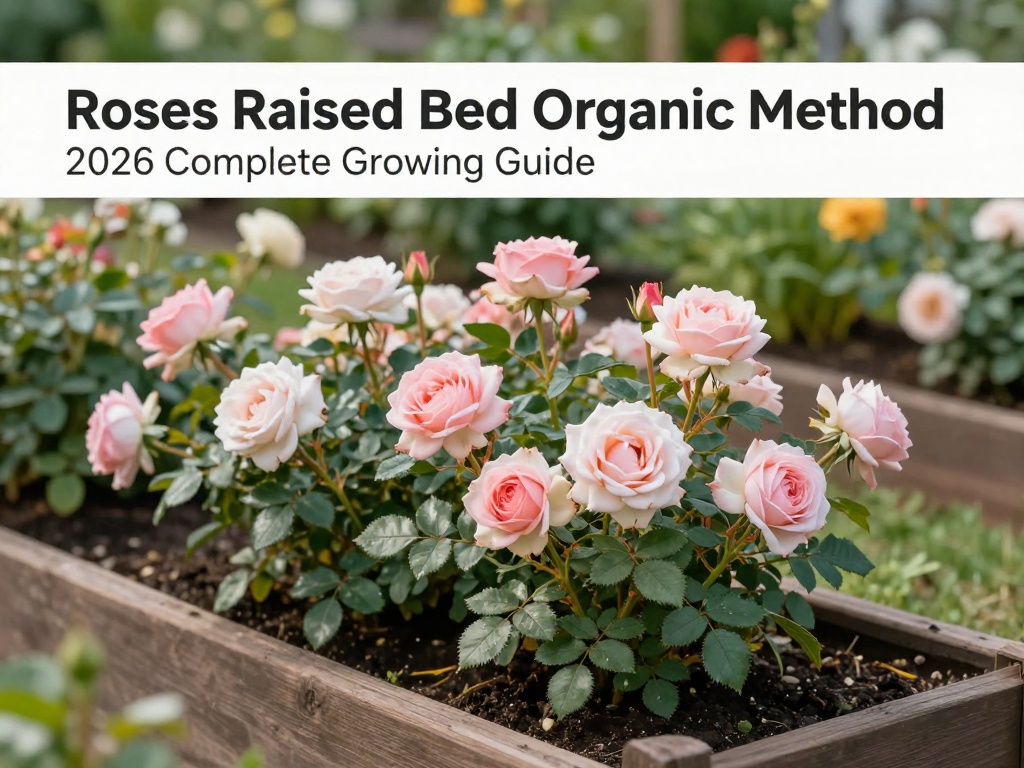
Roses Raised Bed Organic Method: 2026 Complete Growing Guide
Growing roses in raised beds using organic methods is one of the most rewarding approaches for gardeners who want stunning blooms without synthetic chemicals. This comprehensive guide covers everything you need to know about creating the perfect raised bed environment for your roses using completely natural techniques.
Why Choose Raised Beds for Growing Roses
Raised beds offer exceptional advantages for rose cultivation that traditional in-ground planting simply cannot match. The controlled environment allows you to customize soil composition precisely for rose health, while excellent drainage prevents the root rot that commonly affects roses in poorly draining soil.
Key Benefits of Raised Bed Rose Gardening
When you plant roses in raised beds, you gain superior control over soil pH and nutrient levels. Roses thrive in slightly acidic soil with pH between 6.0 and 6.5, and raised beds make achieving this balance straightforward. Additionally, the elevated soil warms faster in spring, encouraging earlier growth and extended blooming seasons.
- Improved drainage eliminates waterlogging issues
- Better soil aeration promotes strong root development
- Easier weed management and maintenance
- Reduced soil compaction from foot traffic
- Earlier spring growth due to warmer soil temperatures
Designing Your Rose Raised Bed
Proper raised bed dimensions are crucial for successful rose cultivation. Your bed should be at least 18 inches deep to accommodate rose root systems, which typically spread horizontally rather than going deeply into the soil.
Optimal Raised Bed Specifications
For maximum rose health, construct your raised bed using untreated cedar or redwood, as these materials resist decay naturally. The ideal width is 3 to 4 feet, allowing easy access for maintenance without stepping on the soil. Length is flexible based on your available space, but 4 to 8 feet works well for most home gardens.
Position your raised bed where roses will receive at least 6 hours of direct sunlight daily, preferably morning sun to dry dew quickly and reduce fungal disease risk. East-facing locations are particularly advantageous for rose cultivation.
Essential Soil Mix for Organic Rose Growing
Creating the perfect organic soil blend is the foundation of successful raised bed rose gardening. Your mix should include equal parts quality compost, aged manure, and garden loam, combined with perlite or coarse sand for improved drainage.
- 40% quality organic compost
- 30% aged herbivore manure
- 20% garden loam or topsoil
- 10% perlite or coarse builder's sand
Step-by-Step Organic Planting Process
Proper planting technique directly impacts how well your roses establish and flourish. Following this organic method ensures strong root development and disease resistance from the start.
Preparing Your Roses for Planting
Before planting bare-root roses, soak the roots in compost tea for 2-4 hours. This hydrates the roots and introduces beneficial microorganisms. For container-grown roses, gently loosen the outer roots to encourage outward growth rather than circling.
Planting Depth and Spacing Guidelines
Dig your planting hole twice as wide as the root spread and deep enough that the graft union sits 2 inches below soil level in colder climates, or at soil level in warmer regions. Space hybrid teas 18-24 inches apart, floribundas 24-30 inches, and climbing roses 4-6 feet apart to ensure adequate air circulation.
Organic Care and Maintenance Routine
Sustaining healthy roses organically requires consistent attention to feeding, watering, and pest management using natural approaches that work with rather than against natural ecosystems.
Feeding Your Roses Organically
Apply organic fertilizer in early spring when new growth emerges and again after the first major bloom flush. Top-dress monthly with compost and use liquid seaweed or fish emulsion every two weeks during the growing season. This consistent organic feeding schedule promotes vigorous growth and abundant blooms without chemical buildup.
- Spring application: composted manure and organic granular fertilizer
- Monthly top-dressing: quality finished compost
- Bi-weekly liquid feed: fish emulsion or liquid seaweed
- Fall preparation: rock phosphate for root development
Natural Pest and Disease Management
Prevention is the cornerstone of organic rose protection. Encourage beneficial insects by planting companion flowers like lavender, marigolds, and yarrow near your roses. These beneficial plants attract ladybugs, lacewings, and parasitic wasps that naturally control aphids and other pests.
For fungal diseases common to roses, apply organic fungicides preventatively. Mix 1 tablespoon of baking soda with 1 teaspoon of horticultural oil in 1 gallon of water for powdery mildew control. Spray affected plants weekly, always applying in morning to allow quick drying.
Companion Planting for Healthier Roses
Strategic companion planting enhances your raised bed rose garden by attracting pollinators, repelling pests, and maximizing limited space through thoughtful plant combinations.
Best Companion Plants for Roses
Garlic planted around rose bases naturally repels Japanese beetles and spider mites with its pungent compounds. Catmint confuses aphids with its strong scent, while alliums deter borers and provide visual interest when planted among rose stems. For season-long benefits, interplant with perennial salvias that bloom continuously and draw pollinators.
- Garlic and chives: pest deterrence
- Lavender: fragrance and beneficial insects
- Catmint: aphid confusion
- Salvia: pollinator attraction
- Marigolds: nematode control
Plants to Avoid Near Roses
Certain plants compete aggressively with roses for nutrients or harbor pests that commonly attack rose foliage. Avoid planting brassicas, potatoes, and other heavy feeders adjacent to your rose beds, as these plants will compete for the same nutrients your roses need.
Seasonal Care Calendar for 2026
Following a seasonal routine ensures your raised bed roses receive appropriate care throughout the year, setting them up for spectacular blooms and healthy growth.
Spring Preparation
Remove winter protections gradually as temperatures stabilize above freezing. Prune dead or damaged wood while dormant buds swell. Apply thick layer of organic mulch, keeping it 2 inches away from stems to prevent crown rot. Begin your regular organic feeding program as new growth emerges.
Summer Maintenance
Deep water roses weekly during dry spells, applying water at soil level to prevent wet foliage. Deadhead spent blooms regularly to encourage continuous flowering. Monitor for pest outbreaks and address immediately with organic controls before populations explode.
Fall and Winter Care
Cease fertilizing by early fall to allow roses to harden off for winter. Apply final mulch layer after the first frost to insulate roots through winter. In colder zones, wrap roses with burlap after hard freezes to prevent winter damage to tender canes.
Troubleshooting Common Raised Bed Rose Problems
Even with excellent organic care, roses occasionally encounter challenges. Identifying issues early and responding appropriately often means the difference between a struggling plant and one that recovers fully.
Yellowing Leaves and Poor Growth
Yellow leaves often indicate iron chlorosis caused by alkaline soil or poor drainage. Test your soil pH and amend with sulfur if levels exceed 7.0. Improve drainage by adding perlite to your soil mix and ensure your raised bed has adequate drainage holes.
Black Spot and Fungal Issues
Black spot thrives in humid conditions with poor air circulation. Remove affected leaves immediately and dispose of fallen debris. Improve air circulation by proper spacing and pruning interior growth. Apply neem oil or copper fungicide as organic treatment options.
Conclusion
The roses raised bed organic method delivers gorgeous, healthy blooms while maintaining chemical-free gardening practices. By investing upfront in proper bed construction and soil preparation, you create an ideal environment where roses thrive with minimal intervention.
This sustainable approach rewards gardeners with less disease pressure, improved soil biology, and roses that produce abundant, fragrant blooms season after season. Start your organic raised bed rose garden today and experience the satisfaction of growing beautiful roses the natural way.
Frequently Asked Questions
What is the best soil depth for roses in raised beds?
Roses need a minimum soil depth of 18-24 inches in raised beds to accommodate their extensive root systems. Deeper beds provide better insulation for roots and allow more room for companion plants if desired.
How often should I water roses in raised beds?
Water deeply once weekly, providing about 1-2 inches of water total. Raised beds drain faster than ground soil, so during hot summer weeks, you may need to water twice weekly. Check soil moisture 2-3 inches down before watering.
Can I grow climbing roses in raised beds?
Yes, climbing roses adapt well to raised beds provided the bed is sufficiently deep and you provide sturdy support structures. Ensure the bed is at least 24 inches deep and positioned near a wall, fence, or trellis for climbing support.
What organic amendments improve rose blooming?
Composted manure, fish emulsion, blood meal, and seaweed extract all promote abundant blooms when applied regularly. Top-dressing with banana peel compost provides potassium that enhances flower production and color intensity.
How long does it take for newly planted roses to establish?
Newly planted roses typically require one full growing season to establish strong root systems. During the first year, expect limited blooms while the plant focuses energy on root development. Full blooming potential usually appears in year two or three.
What is the cost difference between organic and conventional rose care?
Initial setup costs for organic raised bed rose gardening run 20-30% higher due to quality soil amendments and organic fertilizers. However, long-term costs equalize or become lower as organic soil health improves naturally, reducing the need for ongoing amendments and disease treatments.
No comments