
Oregano Raised Bed on Balcony: 2026 Growing Guide for Beginners
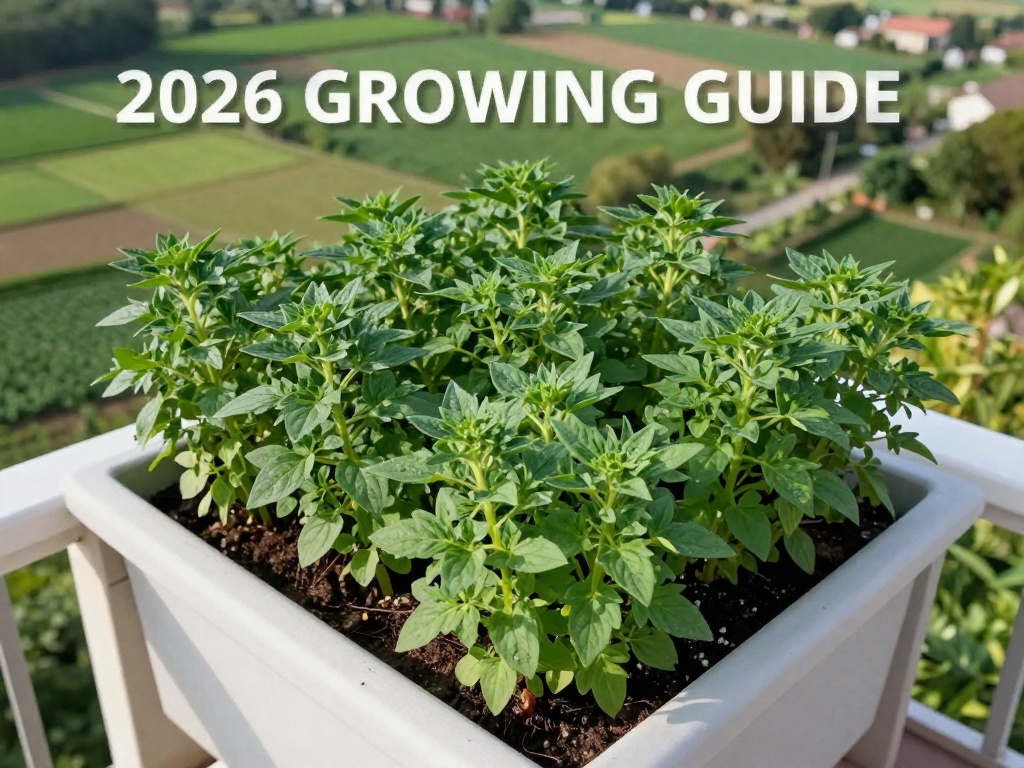
Oregano Raised Bed on Balcony: 2026 Growing Guide for Beginners
Growing oregano in a raised bed on your balcony is one of the most rewarding gardening projects you can start in 2026. This Mediterranean herb thrives in sunny conditions and adapts beautifully to container gardening, making it perfect for urban spaces. Whether you have a tiny apartment balcony or a spacious terrace, a raised bed offers the ideal environment for cultivating robust, flavorful oregano plants that will elevate your culinary creations.
Why Choose a Raised Bed for Balcony Oregano
A raised bed provides superior drainage and root aeration compared to traditional pots, which is crucial for oregano's health. The elevated design also protects your plants from pests and keeps the soil warmer during cooler months. For balcony gardeners working with limited space, raised beds maximize growing area while keeping your herb garden organized and visually appealing.
Space Efficiency
Balcony real estate is precious, and raised beds allow you to grow oregano vertically alongside other herbs. You can place them against walls, in corners, or along railings without wasting valuable floor space. This approach works exceptionally well in small apartments where every square meter counts.
Better Soil Control
Oregano prefers well-draining, slightly alkaline soil with a pH between 6.0 and 8.0. In a raised bed, you have complete control over your soil mixture, ensuring your plants receive exactly what they need. This eliminates the guesswork involved with native balcony soil conditions.
Essential Materials and Setup
Before planting your oregano raised bed on the balcony, gather quality materials that will support healthy growth throughout the seasons. Investing in proper supplies now saves time and money later while ensuring your herbs flourish year after year.
Choosing Your Raised Bed
Select a raised bed at least 6 inches deep for oregano's moderately shallow root system. Cedar and redwood containers resist rot naturally and complement balcony aesthetics beautifully. Ensure your bed has drainage holes every 12 inches to prevent waterlogging, which oregano absolutely cannot tolerate.
Soil Mix Recipe
Combine equal parts quality potting mix, coarse sand, and perlite for optimal oregano growth. This blend provides excellent drainage while retaining enough moisture for healthy roots. Add a handful of crushed limestone to raise the pH slightly if your potting mix tends toward acidity.
Step-by-Step Planting Process
Proper planting technique sets the foundation for thriving oregano in your raised bed. Follow these steps carefully to establish strong plants that will produce abundant harvests for years to come.
When to Plant
Wait until all danger of frost has passed in your region, typically 2-4 weeks after your last frost date. In 2026, monitor local weather patterns and aim to plant when nighttime temperatures consistently stay above 50°F (10°C). This gives your oregano the warmth it craves for rapid establishment.
Spacing Guidelines
Position oregano seedlings or transplants 12-15 inches apart within your raised bed. This spacing allows adequate air circulation, reducing fungal disease risks while giving each plant room to spread. Overcrowding leads to weak, leggy growth and diminished flavor concentration.
Planting Depth
Set transplants at the same depth they occupied in their nursery containers. Gently firm the soil around each plant and water thoroughly until moisture appears at drainage holes. Avoid planting too deeply, as this causes stem rot and plant death.
Caring for Your Balcony Oregano
Mature care determines whether your oregano becomes a thriving herb or a disappointing struggle. These proven techniques keep plants healthy, productive, and aromatic throughout the growing season.
Watering Requirements
Water deeply but infrequently, allowing the top 2 inches of soil to dry between waterings. Oregano evolved in Mediterranean climates and prefers drought conditions over saturated roots. Overwatering remains the most common mistake balcony gardeners make with this herb. During hot summer months, check soil moisture daily and water only when necessary.
Sunlight Needs
Position your raised bed to receive at least 6-8 hours of direct sunlight daily. South-facing balconies provide ideal conditions for maximum oil production and intense flavor development. Without adequate sun exposure, oregano becomes leggy, pale, and less flavorful.
Feeding Schedule
Avoid heavy fertilization, which produces lush growth at the expense of essential oils. Apply a diluted balanced fertilizer once monthly during the growing season if plants appear pale. Organic compost tea works excellently as a gentle feeding option that supports beneficial soil microorganisms.
Pruning and Harvesting Techniques
Regular harvesting encourages bushy, compact growth while preventing woodiness. Learning proper techniques maximizes your yields while keeping plants productive and attractive on your balcony.
When to Harvest
Begin harvesting once stems have at least three sets of true leaves, typically 4-6 weeks after planting. The best time for harvest is mid-morning after dew has dried but before heat stress develops. This timing ensures maximum essential oil concentration for superior flavor.
Proper Cutting Method
Cut stems just above a leaf node using clean, sharp scissors or pruning shears. Never remove more than one-third of the plant at once to avoid stress. Regular harvesting every 2-3 weeks throughout the season keeps plants productive and prevents flowering, which degrades leaf quality.
Encouraging Bushier Growth
Pinching flower buds as they appear channels energy into leaf production rather than seed development. This technique extends your harvest window and maintains tender foliage quality. For maximum bushing, trim stem tips regularly to encourage lateral branching throughout the plant.
Winter Protection Strategies
Oregano enters dormancy during cold months but can survive outdoors with proper protection in most climates. Understanding winter care ensures your plants return vigorously the following spring.
Mulching Considerations
Apply a 2-3 inch layer of straw mulch around plants before first frost to insulate roots. This protection prevents freeze-thaw cycles that heave plants from soil and damage root systems. In milder climates, oregano often remains partially productive throughout winter with adequate mulching.
Indoor Transition Options
Move containers to a sheltered location or bring plants indoors near a sunny window during harsh winters. Indoor oregano requires less frequent watering and benefits from artificial lighting supplementation during shorter winter days. This approach keeps your herbs productive year-round in any climate.
Troubleshooting Common Problems
Even well-maintained oregano occasionally faces challenges. Identifying issues early prevents serious damage and keeps your balcony garden thriving.
Yellowing Leaves
Overwatering typically causes yellow leaves accompanied by soft, limp stems. Allow soil to dry completely before watering again and ensure drainage holes remain unblocked. Adding sand to your soil mix improves drainage and prevents recurrence.
Leggy Growth
Insufficient sunlight produces elongated, weak stems with widely spaced leaves. Relocate your raised bed to receive more direct sun hours, ideally 8+ hours daily. If repositioning isn't possible, consider supplementing with a grow light positioned 12 inches above plants.
Pest Prevention
Aphids and spider mites occasionally attack oregano, especially in dry indoor conditions. Spray affected plants with strong water jets to dislodge pests, or apply neem oil spray for persistent infestations. Regular inspection catches problems early before significant damage occurs.
Companion Planting Ideas
Combining oregano with compatible herbs maximizes your raised bed's productivity while creating natural synergies. Strategic companion planting also improves pest resistance and pollinator attraction in your balcony ecosystem.
Ideal Partners
Oregano grows exceptionally well alongside basil, thyme, rosemary, and sage. These Mediterranean herbs share similar water and sunlight requirements, simplifying care routines. The strong scent of oregano also repels harmful insects, protecting neighboring plants naturally.
Plants to Avoid
Keep oregano away from mint, which competes aggressively for resources and can overwhelm your bed. High-moisture herbs like parsley and cilantro also struggle beside drought-loving oregano. Separate these plants into individual containers to prevent competition.
Frequently Asked Questions
Can I grow oregano from seeds in a balcony raised bed?
Yes, oregano grows readily from seeds, though germination takes 7-14 days. Sow seeds thinly on the soil surface and press gently into contact with the growing medium. Keep moist until germination, then thin seedlings to 12 inches apart once they develop their second set of true leaves.
How often should I water oregano in a raised bed?
Water oregano deeply once every 5-7 days during moderate temperatures, reducing frequency in humid conditions and increasing during heat waves. Check soil moisture by inserting your finger 2 inches deep; water only when this zone feels completely dry. Overwatering causes more problems than underwatering for this drought-tolerant herb.
What size raised bed works best for balcony oregano?
A raised bed measuring 24 inches long by 12 inches wide accommodates 2-3 oregano plants comfortably. Ensure at least 6 inches of depth for healthy root development. Consider multiple smaller beds positioned around your balcony for flexibility in arrangement and winter mobility.
Does oregano need full sun on a balcony?
Oregano thrives with 6-8 hours of direct sunlight and tolerates even more in cooler climates. South-facing balconies provide ideal conditions. East and west-facing spots work adequately with at least 6 hours of sun. North-facing locations generally lack sufficient light for healthy oregano growth without supplementation.
How do I harvest oregano without damaging the plant?
Harvest by cutting stems with sharp scissors 2 inches above the soil line, always leaving at least three sets of leaves on each stem. Never harvest more than one-third of the plant at once. Regular harvesting every 2-3 weeks encourages bushier growth and prevents the plant from becoming woody and unproductive.
What's the difference between Greek and Italian oregano for balcony growing?
Greek oregano (Origanum vulgare hirtum) offers the classic sharp, peppery flavor ideal for pizza and Mediterranean dishes. Italian oregano is typically a hybrid with milder, sweeter notes. Both grow excellently in raised beds, though Greek oregano tends to be more cold-hardy and vigorous in container environments.
No comments