
Sunflowers Transplanting Organic Method: 2026 Step-by-Step Guide
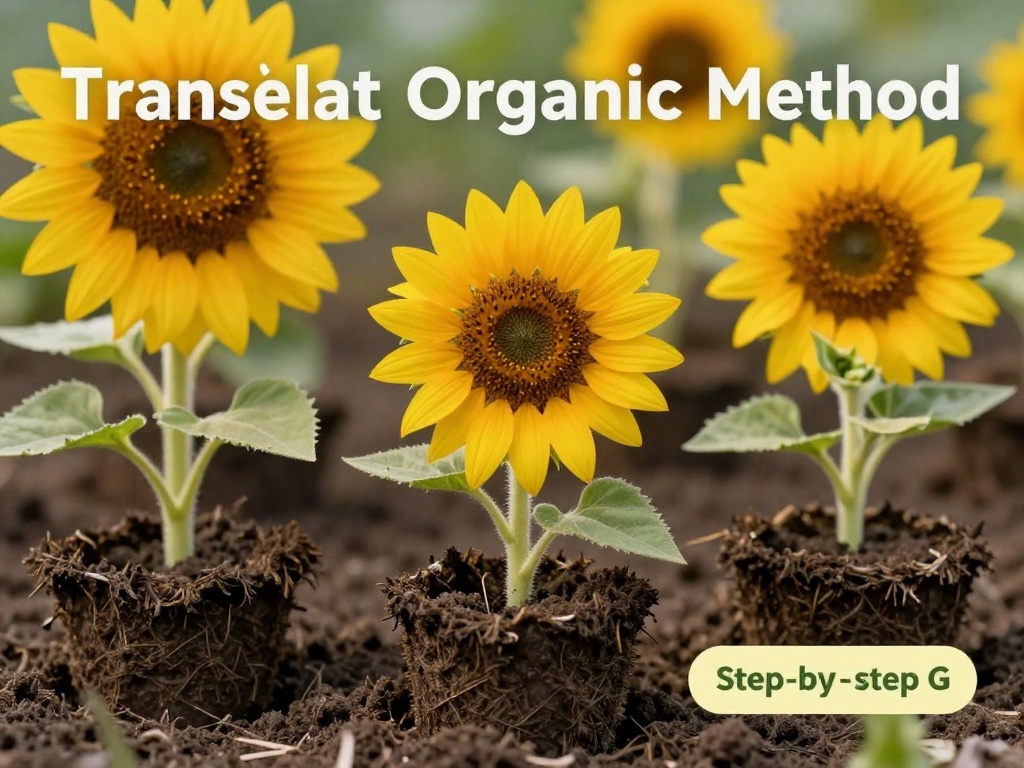
Sunflowers Transplanting Organic Method: 2026 Step-by-Step Guide
Transplanting sunflowers using organic methods ensures strong, healthy plants without synthetic chemicals. This comprehensive guide covers everything you need to know about successfully moving sunflower seedlings into your garden the natural way.
Why Choose Organic Transplanting for Sunflowers?
Organic transplanting creates a natural foundation for sunflowers to thrive. When you avoid synthetic fertilizers and pesticides, you build healthy soil biology that supports long-term plant health and larger blooms.
Organic methods also protect beneficial insects, pollinators, and soil microorganisms essential for sunflower development. Your garden becomes a self-sustaining ecosystem rather than dependent on chemical inputs.
Benefits of Going Organic with Sunflower Transplanting
- Improved soil structure and microbial activity
- Drought-resistant plants through natural root development
- Chemical-free seeds safe for consumption
- Attracts pollinators and beneficial insects
- Cost-effective long-term gardening solution
Best Timing for Sunflower Transplanting
Timing determines transplanting success for sunflowers. Start seeds indoors 2-3 weeks before your last expected frost date. Seedlings develop 2-4 true leaves before they're ready for transplanting.
Temperature Requirements
Soil temperature must reach at least 50°F (10°C) for successful transplanting. Cold soil shocks young seedlings and causes stunted growth or death. Monitor nighttime temperatures consistently for one week before transplanting outdoors.
Hardening Off Process
Harden seedlings gradually over 7-10 days before transplanting. Move plants outside for 1-2 hours initially, increasing duration daily. This process strengthens cell walls and reduces transplant shock significantly.
Preparing Soil Organically for Sunflower Transplanting
Rich, well-draining soil produces the healthiest sunflower transplants. Test your soil pH and aim for 6.0-7.5 range, ideal for sunflower nutrient uptake.
Organic Soil Amendments
- Composted aged manure for nitrogen boost
- Bone meal for phosphorus root development
- Wood ash for potassium and pH adjustment
- Crushed eggshells for calcium
- Well-rotted compost for overall soil health
Work amendments into soil 2 weeks before transplanting to allow integration. Apply organic matter 3-4 inches deep throughout your planting area for maximum benefit.
Creating the Perfect Transplant Hole
Dig holes 2-3 times wider than the seedling root ball. This gives roots space to spread horizontally into prepared soil. Space holes 12-24 inches apart depending on sunflower variety size.
Step-by-Step Sunflower Transplanting Process
Step 1: Water Seedlings Thoroughly
Water seedlings 2-3 hours before transplanting. Moist soil holds together better during removal, protecting delicate root systems from damage.
Step 2: Remove Seedlings Carefully
Press soil below the root ball while gently squeezing container sides. Never pull seedlings by stems—support the entire root mass to prevent breaking.
Step 3: Loosen Root Bound Seedlings
For seedlings with circling roots, gently separate root tips with fingers. This encourages outward growth into surrounding soil rather than continued circling.
Step 4: Position and Backfill
Place seedling at same depth as original container—no deeper. Fill hole with native soil, pressing firmly around roots to eliminate air pockets. Air gaps cause dehydration and stunted growth.
Step 5: Initial Watering
Water thoroughly immediately after transplanting. Apply water slowly at soil level, allowing absorption rather than runoff. This settles soil around roots and provides initial hydration.
Post-Transplant Organic Care
Mulching for Success
Apply 2-3 inches of organic mulch around seedlings immediately. Straw, shredded leaves, or wood chips retain moisture, suppress weeds, and regulate soil temperature naturally.
Organic Support Methods
Tall sunflower varieties benefit from staking 3-4 weeks after transplanting. Use bamboo stakes with organic twine for gentle support that won't damage stems.
Natural Pest Protection
Companion plant with basil, marigolds, or nasturtiums to deter aphids and beetles organically. Inspect seedlings daily for slug damage—use beer traps or diatomaceous earth for organic slug control.
Common Transplanting Mistakes to Avoid
- Transplanting too early into cold soil
- Skipping the hardening off process
- Planting seedlings too deep
- Allowing soil to dry completely before watering
- Using fresh manure instead of composted
- Overcrowding without proper spacing
FAQ: Sunflowers Transplanting Organic Method
Can I transplant sunflower seedlings directly into containers using organic methods?
Yes, use containers at least 12 inches deep with drainage holes. Fill with organic potting mix containing compost and perlite for drainage. Container sunflowers need more frequent watering than ground-planted varieties.
What is the ideal spacing for transplanting sunflowers organically?
Space dwarf varieties 12 inches apart, intermediate varieties 18 inches apart, and giant varieties 24 inches apart. Proper spacing ensures adequate air circulation and prevents fungal issues.
How long does it take for transplanted sunflowers to establish?
Sunflowers typically establish within 2-3 weeks after transplanting. Watch for new leaf growth as an indicator of successful establishment. Resume regular feeding with organic fertilizer after the establishment period.
What organic fertilizer works best after sunflower transplanting?
Fish emulsion or seaweed extract diluted to half strength provides nitrogen without burning tender roots. Apply every 2-3 weeks during the first month, then switch to bloom-boosting organic fertilizer when buds appear.
Why are my transplanted sunflower seedlings wilting despite adequate water?
Wilting usually indicates transplant shock, which is normal for 1-3 days. Ensure plants receive afternoon shade during recovery. If wilting persists beyond one week, check for root damage, compacted soil, or underground pest activity.
Is it too late to transplant sunflowers in mid-summer for organic growing?
Sunflowers grow quickly and can still be transplanted through early summer in most climates. Choose quick-maturing varieties if transplanting late in the season. Late transplanting may reduce final height but still produces beautiful blooms.
No comments