
Herb Seed Starting in Shade: 2026 Grower's Guide
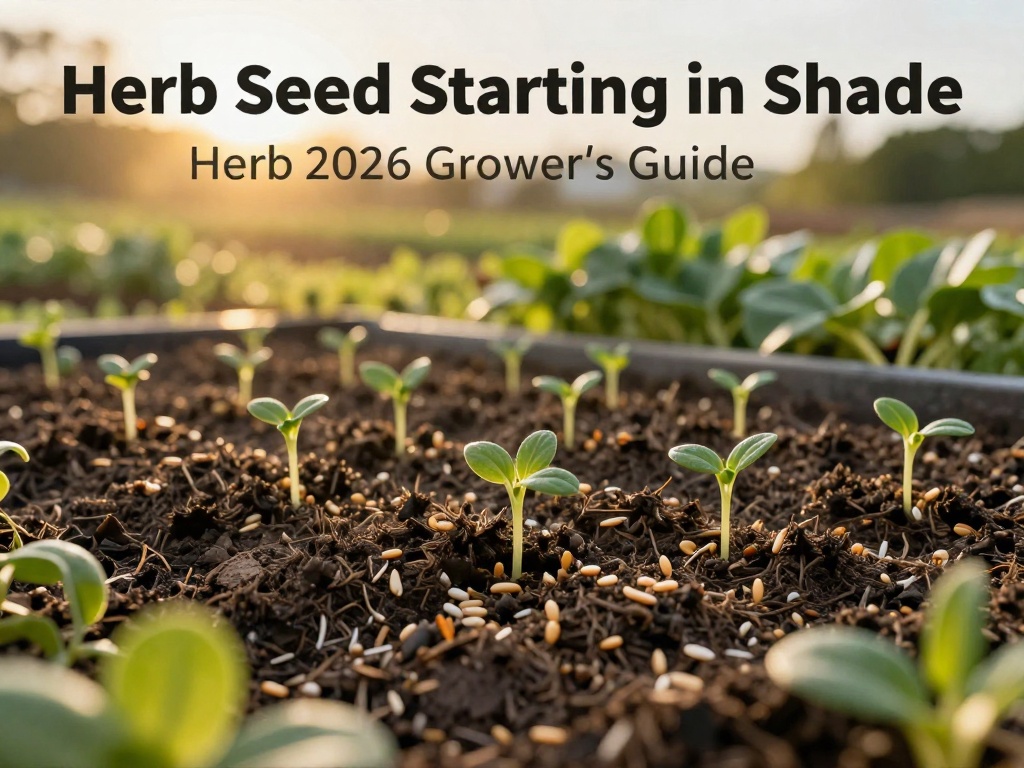
Herb Seed Starting in Shade: 2026 Grower's Guide
Herb seed starting in shade opens up gardening possibilities for apartment dwellers, urban gardeners, and anyone working with limited sunlight. Contrary to popular belief, many culinary herbs thrive with less direct sunlight than their sun-loving cousins. This comprehensive guide walks you through everything you need to know about successfully starting herb seeds in shaded environments, whether you're gardening indoors under artificial lights or working with a naturally dim outdoor space.
Understanding Shade Tolerance in Herbs
Not all herbs require six to eight hours of direct sunlight. Some species have evolved to perform beautifully under forest canopies or in dappled light conditions. Understanding the difference between partial shade, dappled shade, and full shade helps you select the right herbs and provide appropriate care.
Types of Shade Explained
- Partial shade means three to six hours of direct sunlight daily, preferably during morning or evening hours
- Dappled shade refers to filtered light passing through trees or other obstacles
- Full shade indicates less than three hours of direct sunlight with filtered light throughout the day
When starting herb seeds in shade for beginners, most shade-tolerant varieties perform best with partial shade conditions. Direct midday sun can actually stress shade-adapted species, making morning or late afternoon light ideal.
Best Herbs for Starting in Shade
Choosing the right varieties determines your success before you even plant the first seed. These herbs have demonstrated excellent performance in low-light conditions both indoors and outdoors.
Top Shade-Tolerant Culinary Herbs
- Mint – Thrives in shade and spreads vigorously; perfect for teas, desserts, and cocktails
- Parsley – Tolerates partial shade well; essential for garnishes and Mediterranean dishes
- Chervil – French culinary staple that prefers cooler, shadier conditions
- Chives – Adaptable herb that grows well with minimal direct sunlight
- Lemon balm – Performs admirably in shade; excellent for teas and aromatherapy
- Cilantro – Bolts less quickly in shaded locations, extending your harvest window
Step-by-Step Herb Seed Starting in Shade
Follow this organic method for maximum germination rates in low-light environments. Starting herb seeds properly compensates for reduced natural light and sets your plants up for healthy growth.
Gathering Your Supplies
Before beginning your seed starting journey, collect these essential materials: seed trays or small containers with drainage holes, sterile seed-starting mix, plant tags for identification, a spray bottle for gentle watering, and optionally, supplemental grow lights for最深 shade conditions.
Preparing Seed Starting Mix
Fill your containers with moist seed-starting mix, leaving approximately one-quarter inch of space at the top. The mix should feel damp but not waterlogged. Gently firm the surface without compacting it completely. Properly prepared soil prevents damping-off disease, a common issue when starting seeds in cooler, shadier environments.
Planting Seeds at the Correct Depth
General rule dictates planting seeds at a depth equal to twice their diameter. Herb seeds are typically small, so aim for coverage of approximately one-eighth to one-quarter inch of soil. Lightly mist the surface after planting to settle soil around the seeds without washing them away.
Creating Optimal Conditions for Germination
Place your seeded containers in a warm location maintaining temperatures between sixty-five and seventy-five degrees Fahrenheit. While light requirements vary by species, most herb seeds germinate better with indirect light initially. If your space lacks natural warmth, using a heat mat designed for seed starting accelerates germination significantly.
Managing Moisture in Shaded Spaces
Shaded environments naturally retain moisture longer than sunny spots, increasing risk of fungal problems. Water only when the soil surface feels dry to the touch, and ensure excellent air circulation around your seedlings. Bottom watering by setting trays in shallow water works excellently for herbs started in shade.
Transplanting Seedlings Successfully
Once seedlings develop their second set of true leaves, they're ready for transplanting into larger containers or your shade garden. Harden off indoor seedlings gradually by exposing them to slightly brighter conditions over seven to ten days. This transition period prevents transplant shock and prepares plants for their permanent shaded homes.
Common Mistakes to Avoid When Starting Herbs in Shade
Understanding pitfalls saves you time, money, and frustration. These errors commonly plague gardeners attempting shade herb cultivation for the first time.
- Overwatering – The number one killer of shade-grown seedlings; always check soil moisture before watering
- Choosing sun-loving varieties – Basil, rosemary, and thyme struggle in heavy shade
- Ignoring air circulation – Stagnant air encourages fungal diseases in low-light conditions
- Planting too early – Shaded soil stays colder longer, slowing germination and growth
- Skipping the hardening-off process – Sudden light changes stress seedlings adapted to dim conditions
Supplemental Lighting for Deep Shade Gardens
When natural light proves insufficient for healthy growth, supplemental lighting transforms your shade garden success rate. LED grow lights consume minimal electricity while providing the light spectrum herbs need for photosynthesis.
Setting Up Grow Lights Effectively
Position grow lights approximately six to twelve inches above seedlings, adjusting as plants develop. Run lights for twelve to fourteen hours daily, mimicking natural daylight patterns. Timers automate your lighting schedule and ensure consistent daily exposure without manual intervention.
Maintaining Your Shade Herb Garden Long-Term
Ongoing care differs slightly between sun and shade gardens. Shaded herbs typically grow more slowly, requiring less frequent watering and fertilizing. Monitor plants regularly for signs of insufficient light, including leggy growth, pale foliage, or reduced aroma production.
Seasonal Considerations for 2026
Plan your shade garden layout considering seasonal light changes. North-facing areas receive more consistent light in winter months for gardeners in northern regions. Track how light patterns shift through the year and adjust plant positioning accordingly.
FAQ: Herb Seed Starting in Shade
Can I start herb seeds in complete shade indoors?
Complete shade without any natural or artificial light presents challenges for seed starting. While some shade-tolerant herbs like mint and parsley can germinate in low light, most seedlings need at least supplemental lighting for healthy development. Consider adding a simple LED grow light setup for best results.
What herbs grow best in shade for beginners?
Mint, chives, parsley, and lemon balm rank among the easiest herbs for shade gardening. These varieties tolerate lower light conditions without sacrificing growth rate or flavor. Start with one or two of these forgiving species before attempting more challenging shade herbs.
How long does herb seed germination take in shade?
Germination times vary by species but generally take five to twenty-one days in shade conditions. Shaded environments often run cooler, which naturally slows germination. Using a heat mat can reduce germination time by several days even in shaded spaces.
What common mistakes occur when starting herb seeds in low light?
Overwatering represents the most frequent error, followed by selecting inappropriate sun-loving varieties. gardeners also struggle with inadequate air circulation and attempting to grow herbs in spaces with zero natural or artificial light. Addressing these issues dramatically improves success rates.
Do shade-grown herbs have less flavor than sun-grown varieties?
Research suggests that shade-grown herbs often develop more delicate flavors and softer textures compared to their sun-grown counterparts. While they may grow slightly slower, the nuanced taste makes them valuable additions to any kitchen garden, particularly for culinary uses requiring subtle herb notes.
How much does starting herbs in shade cost compared to traditional gardening?
Starting herbs in shade requires minimal additional investment beyond basic seed starting supplies. A small packet of seeds costs three to five dollars, seed-starting mix runs five to ten dollars, and reusable containers last multiple seasons. Supplemental LED lights, if needed, range from twenty to fifty dollars but remain optional for many shade-tolerant varieties.
When is the best time to start herb seeds for shade gardens in 2026?
For most temperate regions, start shade-tolerant herbs indoors eight to ten weeks before your last expected frost date. In 2026, mark late February through March for most gardeners as ideal seed starting windows. This timing allows seedlings to establish before transplanting into outdoor shaded areas once temperatures warm.
No comments