
Peas Planting for Beginners: 2026 Complete Growing Guide
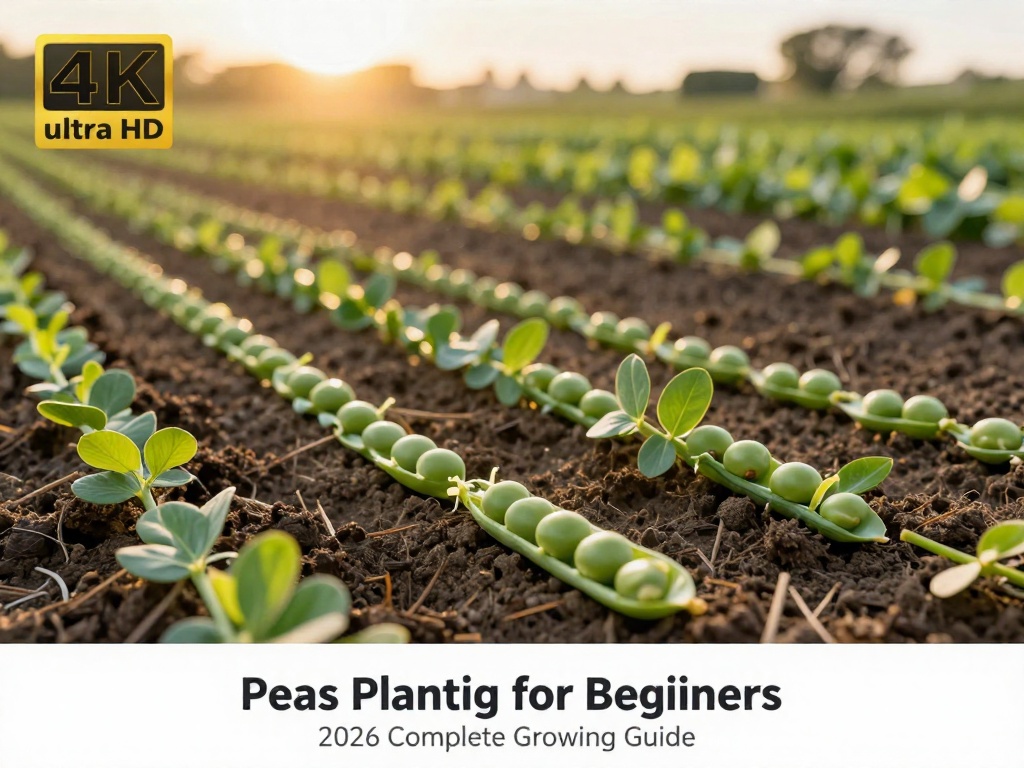
Peas Planting for Beginners: 2026 Complete Growing Guide
Welcome to your complete guide to peas planting for beginners in 2026. Growing peas is one of the most rewarding experiences for new gardeners, offering delicious harvests with relatively simple care requirements. This step-by-step guide will walk you through everything you need to know to successfully plant and grow peas in your garden.
Why Grow Peas in Your Garden
Peas are an excellent choice for beginner gardeners for several compelling reasons. First, they fix nitrogen in the soil, improving its quality for future crops. Second, peas grow quickly—you'll see seedlings emerge within 7-14 days of planting. Third, homegrown peas taste remarkably sweeter and more tender than store-bought varieties, making your gardening efforts truly worthwhile.
Additionally, peas are versatile crops that thrive in cool weather, making them perfect for spring and fall planting seasons. Whether you have a large backyard garden or small containers on a patio, peas adapt well to various growing conditions.
Understanding Pea Varieties for Beginners
Before planting, selecting the right pea variety makes a significant difference in your success. Three main types suit beginner gardeners perfectly.
Snap Peas
Snap peas are the ideal choice for beginners because you eat the entire pod—both the crisp shells and the sweet peas inside. Varieties like Sugar Ann and Super Sugar Snap offer excellent disease resistance and produce abundant harvests with minimal effort.
Shell Peas
Shell peas, such as Little Marvel and Lincoln, focus on developing plump, sweet peas inside the pod. The pods themselves become tough and inedible, but the peas inside are perfect for fresh eating, freezing, or cooking. These varieties typically yield more per square foot.
Snow Peas
Snow peas produce flat, tender pods harvested before the peas inside fully develop. They thrive in cooler temperatures and work excellently in stir-fries. Oregon Sugar Pod II provides particularly reliable results for first-time growers.
When to Plant Peas: Timing Your Garden
Timing proves critical when planting peas for beginners. Peas prefer cool soil temperatures between 45°F and 65°F (7-18°C), making them true cool-season crops that tolerate light frosts once established.
Spring Planting Schedule
Plant peas 4-6 weeks before your last expected frost date. In most regions, this means late February through March in warmer climates, and April in cooler northern areas. The goal is getting plants established before summer heat arrives.
Fall Planting Schedule
A second planting window opens in late summer or early fall, approximately 8-10 weeks before your first expected frost. Fall-planted peas often produce sweeter harvests because cool nights enhance sugar content in developing pods.
Where to Plant Peas: Location Requirements
Peas demand at least 6-8 hours of direct sunlight daily for optimal growth and pod production. Select a planting location that receives morning sun to dry dew quickly and reduce fungal disease risks.
Soil Preparation Essentials
Prepare your soil 2-3 weeks before planting by incorporating 2-3 inches of compost and working it into the top 6 inches of soil. Pea plants prefer well-draining soil with a pH between 6.0 and 7.5. Heavy clay soils benefit significantly from raised beds or container planting to ensure proper drainage.
Container Gardening Options
Growing peas in containers works exceptionally well for beginners with limited space. Use containers at least 12 inches deep with drainage holes, filled with quality potting mix. This approach allows you to move containers to optimize sunlight exposure throughout the growing season.
Step-by-Step Peas Planting Process
Follow this precise planting method for maximum success with your first pea crop.
Seed Preparation and Testing
Purchase fresh pea seeds from reputable suppliers, as older seeds lose viability rapidly. Before planting, perform a simple germination test by placing 10 seeds on a damp paper towel, keeping it moist and warm for 5-7 days. If fewer than 7 seeds sprout, purchase fresh seeds for better results.
Planting Depth and Spacing
Plant pea seeds 1-1.5 inches deep and 2-3 inches apart in rows spaced 18-24 inches apart. For raised beds or containers, space seeds 3-4 inches apart in all directions. Gently cover seeds with soil and water thoroughly without disturbing their position.
Supporting Growing Plants
Install trellises, chicken wire, or pea netting immediately after planting, before seedlings emerge. Climbing pea varieties can reach 6-8 feet tall and require sturdy support. Bush varieties under 3 feet still benefit from light support to keep pods off the ground and simplify harvesting.
Caring for Pea Plants: Essential Maintenance
Proper care during the growing season ensures healthy plants and abundant harvests.
Watering Guidelines
Peas require consistent moisture but never waterlogged conditions. Provide 1-1.5 inches of water weekly through drip irrigation or careful hand watering at soil level. Avoid wetting foliage, as this promotes fungal diseases. Morning watering allows leaves to dry before evening hours.
Mulching Benefits
Apply 2-3 inches of organic mulch around pea plants once seedlings reach 4 inches tall. Mulch conserves soil moisture, suppresses weeds, and keeps roots cool during unexpected warm spells. Straw, shredded leaves, or compost work excellently as mulching materials.
Fertilizing Strategy
Peas generally require minimal fertilization when grown in fertile soil. However, if plants appear pale or growth seems sluggish, apply a side dressing of balanced organic fertilizer once flowering begins. Avoid high-nitrogen fertilizers, which promote excessive foliage at the expense of pod production.
Common Problems and Solutions
Even with excellent care, beginners may encounter occasional challenges when growing peas.
Pea Aphids
These small green or black insects cluster on new growth and undersides of leaves, sucking plant sap. Control aphids by spraying plants with strong water jets to dislodge them, or apply insecticidal soap for larger infestations. Encouraging beneficial insects like ladybugs provides natural biological control.
Powdery Mildew Prevention
This white fungal coating appears on leaves during humid conditions or when air circulation is poor. Prevent powdery mildew by spacing plants properly, providing adequate support, and avoiding overhead watering. Choose disease-resistant varieties like Super Sugar Snap for best results.
Root Rot Issues
Overwatering or poor drainage causes roots to decay, resulting in yellowing, wilting plants that don't recover. Prevent root rot by ensuring proper soil drainage, watering only when the top inch of soil feels dry, and avoiding planting peas in the same location year after year.
Harvesting Your Peas: Timing and Technique
Harvesting at the correct stage dramatically impacts flavor and texture.
Determining Peak Ripeness
Shell peas are ready when pods feel full and plump, but before the peas inside become starchy. Snap peas should be harvested when pods are fully expanded but before seeds create visible bulges. Snow peas taste best when pods reach 2-3 inches long and remain flat.
Proper Harvesting Methods
Use two hands when harvesting—one to hold the vine steady and the other to gently snap or cut pods free. Harvest regularly every 2-3 days during peak production to encourage continued flowering and pod development. Morning harvests typically yield the crispest, sweetest pods.
Storing and Using Your Pea Harvest
Fresh peas deteriorate rapidly after harvest, losing sweetness within hours. Plan to use harvests immediately for the best flavor experience. Store unwashed pods in perforated plastic bags in the refrigerator crisper drawer for up to 5 days.
For long-term preservation, blanch pods in boiling water for 2 minutes, then plunge into ice water before freezing. Frozen peas maintain quality for 8-12 months and work excellently in soups, stews, and side dishes throughout winter months.
Frequently Asked Questions
How long does it take for pea seeds to germinate?
Pea seeds typically germinate within 7-14 days under optimal conditions. Soil temperature significantly affects germination speed—cooler soils (45-55°F) may require the full two weeks, while warmer soils (60-70°F) often produce sprouts within a week. Soaking seeds in lukewarm water for 4-6 hours before planting can accelerate germination.
Do peas need full sun to grow successfully?
Peas produce best with at least 6-8 hours of direct sunlight daily, but they tolerate partial shade (4-6 hours) with slightly reduced yields. In extremely hot climates, afternoon shade actually protects plants from heat stress, potentially extending the productive season.
Can I plant peas directly in the ground, or should I start them indoors?
Peas should always be direct-seeded rather than started indoors. Pea roots are sensitive to transplanting disturbance, and seedlings establish more successfully when sown directly where they'll grow. Wait until soil temperature reaches at least 45°F before planting outdoors.
What's the biggest mistake beginners make when planting peas?
The most common error is planting peas too late in spring, when warm soil temperatures and summer heat stress young plants before they produce well. Plant peas as early as possible in spring, and consider fall planting for a second harvest. Cool-weather planting is essential for success.
How much space do I need to grow peas successfully?
Peas adapt remarkably well to small spaces. Even a 4x4-foot raised bed or large container can produce a meaningful harvest. Vertical gardening with trellises maximizes production in limited spaces—you can grow climbing varieties on a sunny balcony with just 2 square feet of floor space.
Are peas planting for beginners more difficult than other vegetables?
Peas rank among the easier vegetables for beginners, requiring minimal maintenance once established. The main advantages include quick germination (visible results motivate new gardeners), natural nitrogen-fixing that improves soil, and relatively few serious pest problems compared to crops like tomatoes or squash.
When is the ideal time to harvest peas for best flavor?
Harvest peas in the morning when sugar content peaks and pods are cool and crisp. Check plants daily once pods begin developing—overripe peas become starchy and lose their sweet flavor. Regular harvesting every 2-3 days also signals plants to produce additional flowers and pods.
How much should I budget for planting peas as a beginner?
Starting a pea garden costs surprisingly little. A packet of 100 pea seeds typically costs $3-5, and one packet often provides more than enough for a beginner's first garden. Additional costs—trellis material, mulch, and basic tools—bring total investment to approximately $15-30 for a first-year garden bed.
No comments