
Beets Raised Bed in Shade: 2026 Ultimate Growing Guide
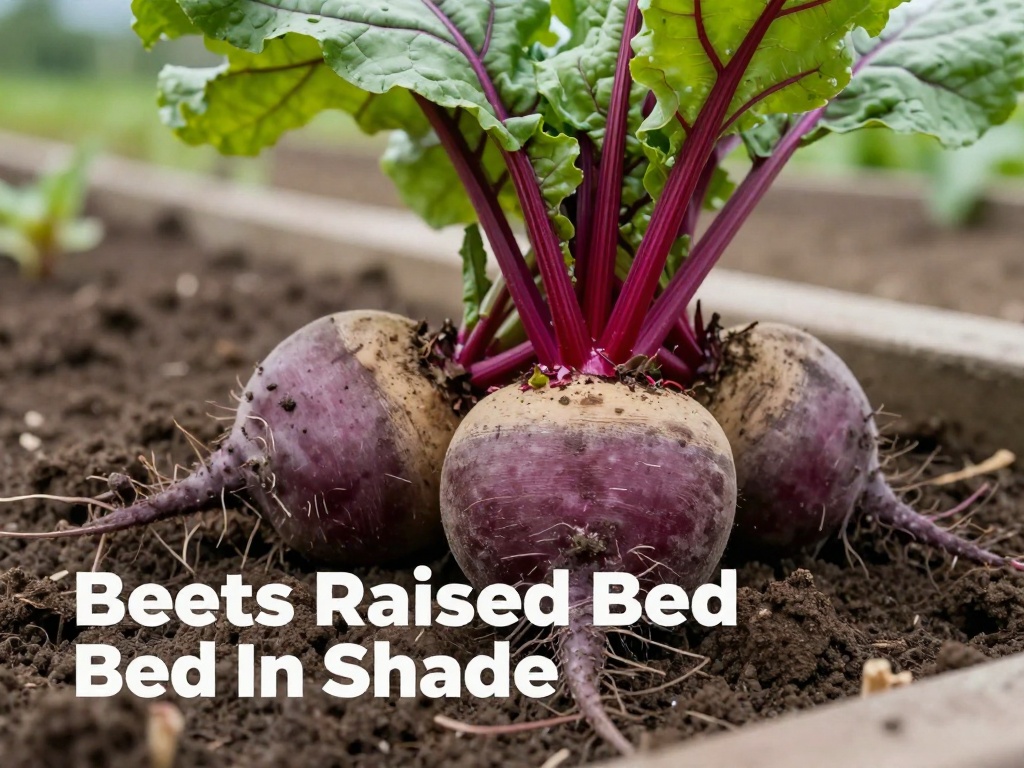
Beets Raised Bed in Shade: 2026 Ultimate Growing Guide
Growing beets in raised beds with limited shade is entirely achievable when you understand the right techniques and variety selection. Many gardeners assume root vegetables need full sun, but beets are surprisingly adaptable and can thrive in partial shade conditions. This complete guide will walk you through every step to successfully cultivate a productive beet harvest in your shaded raised beds during 2026.
Understanding Shade Tolerance in Beets
Beets are classified as cool-season root vegetables that can tolerate partial shade better than many other vegetables. While they prefer 6-8 hours of direct sunlight for maximum yield, they can produce respectable harvests with just 4-6 hours of sunlight daily. Understanding your shade patterns is the first critical step in planning your raised bed garden.
Types of Shade Affecting Your Raised Bed
Not all shade is created equal. Morning shade with afternoon sun is generally preferable to the reverse, as afternoon sun is stronger and helps dry foliage quickly, reducing fungal disease risks. Dappled shade from deciduous trees works particularly well for beets, as the filtered light mimics their natural growing conditions in meadow edges.
Evaluate your garden space by tracking sunlight over several days. Mark areas that receive direct sun in the morning versus afternoon. South-facing raised beds typically receive more consistent light, while north-facing locations may struggle unless supplemental lighting is provided.
Best Beet Varieties for Shaded Raised Beds
Choosing the right variety makes a significant difference when growing beets in partial shade. Some varieties are specifically bred for adaptability and faster maturity, which helps compensate for reduced light exposure.
Top Performing Shade-Tolerant Varieties
- Detroit Dark Red – Classic variety with 55-65 days to maturity, reliable producer even with limited light
- Cylindra – Elongated shape perfect for切片, matures in 60 days, excellent flavor in shade
- Golden Beets – Unique orange-yellow variety, milder taste, ready in 55 days
- Chioggia – Striped interior variety, visually stunning, harvest at 50-60 days
- Early Wonder – Fast-maturing variety at 50 days, great for successive planting in shade
For maximum yield in small spaces, consider planting smaller varieties like Babybeat or Mini Ball. These compact types reach harvest size faster and require less horizontal growing space, making them ideal for shaded raised beds with limited dimensions.
Preparing Your Raised Bed for Shade Growing
Proper raised bed preparation becomes even more critical when growing vegetables in less-than-ideal light conditions. The soil environment must be optimized to maximize nutrient availability and root development.
Soil Composition for Shaded Beet Beds
Beets require loose, well-draining soil with a pH between 6.0 and 7.0. In shaded conditions, soil tends to retain moisture longer, so amend clay-heavy soil with aged compost and coarse sand to improve drainage. Aim for at least 12 inches of loose soil depth to accommodate beet root development.
Mix the following into your raised bed soil:
- 3 inches of aged compost or well-rotted manure
- 1 inch of coarse sand for improved drainage
- Balanced organic fertilizer at recommended rates
- Small amount of wood ash for potassium (optional)
Avoid fresh manure, which can cause forked roots and excessive nitrogen promotes leafy growth at the expense of root development.
Raised Bed Placement and Orientation
Position your raised bed to capture maximum available light. If possible, place the bed's longest side facing south to maximize sun exposure. Elevate your bed if surrounding vegetation casts significant shadow, or consider installing reflective mulches to bounce additional light onto plants.
Step-by-Step Planting Process
Follow this step-by-step guide for planting beets in your shaded raised bed to ensure optimal germination and establishment.
When to Plant Shaded Beets
Beets tolerate cool weather and can be planted 2-4 weeks before the last frost date in spring. For shaded locations, delay planting by 1-2 weeks compared to full-sun areas, as shaded soil warms more slowly. In fall, plant beets 8-10 weeks before first expected frost for a late-season harvest.
Sowing Seeds Correctly
Soak beet seeds in warm water for 2-4 hours before planting to improve germination rates, which typically take 5-8 days in cooler, shaded conditions. Plant seeds 1/2 inch deep, spacing them 1-2 inches apart in rows. Thin seedlings to 3-4 inches apart once they develop their second set of true leaves.
Since beet seeds are actually clusters of multiple embryos, expect multiple seedlings from each seed. This clustering makes proper thinning essential for achieving well-formed roots in raised beds for beginners.
Essential Care for Shade-Grown Beets
Maintaining consistent care throughout the growing season ensures your shaded beets develop properly despite reduced light conditions.
Watering Practices for Shaded Beds
Shaded raised beds retain moisture longer than sunny locations, so adjust your watering schedule accordingly. Water deeply when the top inch of soil feels dry, typically every 5-7 days depending on rainfall. Overwatering in shade leads to root rot and fungal problems, so ensure excellent drainage and avoid waterlogging.
Fertilizing Schedule
Apply a balanced organic fertilizer (like 10-10-10) at planting time, then side-dress with compost tea every 3-4 weeks. Avoid high-nitrogen fertilizers, which cause excessive leaf growth and poor root development. A potassium-rich amendment midway through the season promotes healthy root formation.
Weed and Pest Management
Keep the bed weed-free, as weeds compete more aggressively in shaded conditions. Mulch with straw or grass clippings to suppress weeds and retain moisture. Watch for aphids, leaf miners, and flea beetles, which can be more problematic in shade gardens due to slower plant development.
Harvesting Your Shade-Grown Beets
Beets planted in partial shade typically take 1-2 weeks longer to reach maturity than those in full sun. Monitor roots by gently brushing away soil at the base of plants to check size. Harvest when roots reach 1-3 inches in diameter for best texture and sweetness.
Loosen soil around roots with a garden fork before pulling to avoid breaking stems. Leave 1-2 inches of tops attached for better storage quality. Greens can be harvested sparingly throughout the season without harming root development.
Maximizing Yield in Limited Light
Implement these strategies to maximize yield from your shaded raised bed garden:
- Plant in successive batches every 3 weeks for continuous harvest
- Use dark-colored containers or raised bed edges to absorb and radiate heat
- Apply light-colored mulch to reflect available light onto foliage
- Consider grow lights for the most heavily shaded locations
- Focus on baby beet varieties that mature faster
Common Mistakes to Avoid
Avoid these frequent errors when growing beets in shaded raised beds:
- Overcrowding – Shade-grown beets need more space for air circulation
- Underwatering – While overwatering is risky, underwatering during dry spells causes woody, bitter roots
- Neglecting soil pH – Acidic soil below 6.0 prevents proper nutrient uptake
- Harvesting too late – Oversized beets become woody and lose sweetness
- Skipping thinning – Crowded plants produce small, deformed roots
Final Tips for 2026 Success
Growing beets in raised beds with limited shade requires patience and attention to detail, but the rewards are worth the effort. Select early-maturing varieties, optimize your soil composition, and adjust watering practices for shaded conditions. With proper care, your shaded raised beds can produce delicious beets throughout the growing season.
Remember that every garden location is unique. Keep a growing journal to track which varieties perform best in your specific light conditions, and adjust your techniques based on results. By following this 2026 guide, you'll develop the expertise needed to successfully grow beets even in challenging shaded environments.
Frequently Asked Questions
Can beets really grow in shade?
Yes, beets can grow successfully in partial shade receiving 4-6 hours of sunlight daily. While they won't reach maximum size compared to full-sun plants, they will still produce edible and flavorful roots. Choose fast-maturing varieties like Early Wonder to help compensate for reduced light conditions.
What's the minimum sunlight for beets in raised beds?
Beets can survive with as little as 4 hours of direct sunlight, but growth will be significantly slower. For the best results, aim for at least 5-6 hours of sunlight. Morning sun combined with afternoon shade tends to work better than the reverse for most gardeners.
How do I prevent fungus in shaded beet beds?
Prevent fungal issues by ensuring proper spacing between plants for airflow, avoiding overhead watering, and maintaining good drainage. Water in the morning so leaves dry quickly, and remove any affected foliage immediately. Copper-based organic fungicides can help if problems persist.
Should I use fertilizer more often for shade-grown beets?
No, reduce fertilizer applications in shaded conditions. Plants grow more slowly without full sun and require less nutrients. Over-fertilizing in shade leads to salt buildup and potential root burn. Feed lightly every 4-6 weeks instead of every 3-4 weeks.
How long does it take to grow beets in partial shade?
Expect 10-14 additional days to harvest compared to full-sun planting. Most shade-tolerant varieties take 60-75 days from seed to harvest. Fast varieties like Early Wonder may only need 55-65 days in moderate shade.
Can I grow beets in containers instead of raised beds?
Absolutely, containers work well for shaded beet growing. Use containers at least 12 inches deep with good drainage holes. Place them where you can capture maximum available light, such as near reflective surfaces or on elevated platforms to receive light from more angles.
What's the best time of year to plant shade-grown beets?
Early spring and fall are ideal for shaded plantings. Spring crops can be started 2-3 weeks before last frost, while fall crops should be planted 8-10 weeks before first frost. Cool temperatures in these seasons help offset the challenges of reduced light.
How much does it cost to start a shaded beet raised bed?
A basic 4x4 raised bed setup costs $50-100 including soil and amendments. Seeds run $2-5 per packet. Ongoing costs are minimal—approximately $10-20 per season for organic fertilizer and occasional soil amendments. Beets are one of the most economical vegetables to grow.
No comments