
Beginner's Guide to Philodendron Drip Irrigation 2026
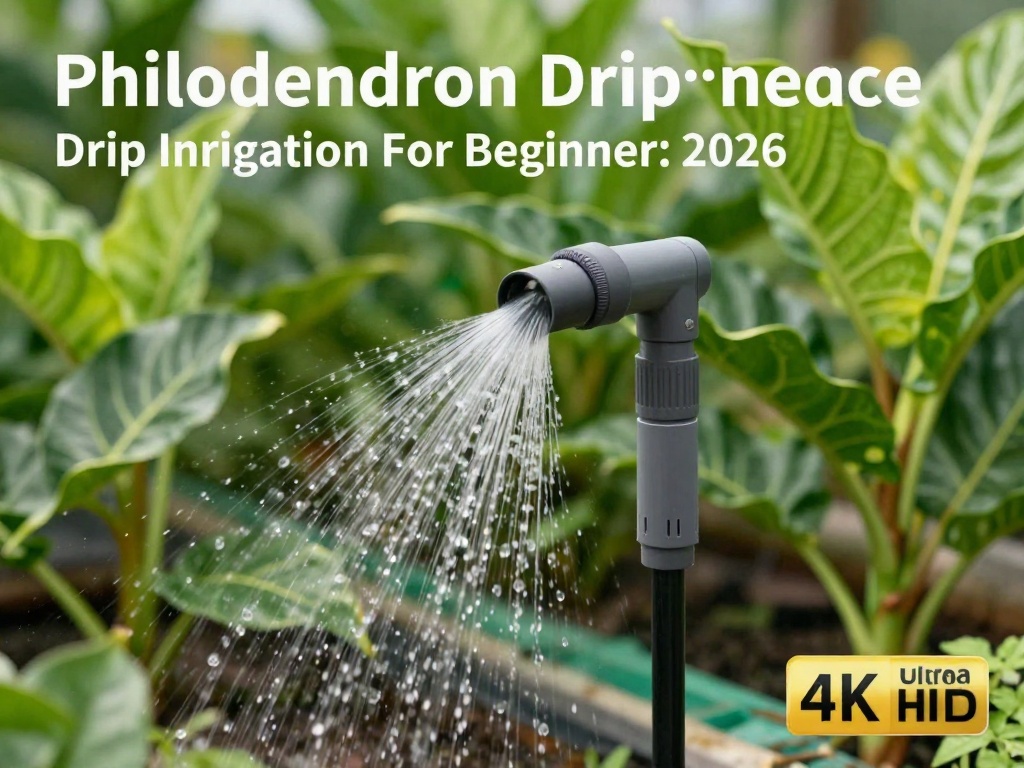
Beginner's Guide to Philodendron Drip Irrigation 2026
Philodendron drip irrigation for beginners offers an intelligent solution for plant enthusiasts seeking consistent moisture without the daily watering hassle. This comprehensive guide walks you through setting up an efficient drip system that keeps your tropical beauties thriving while you save time and resources. Whether you grow philodendrons in containers, hanging baskets, or raised beds, understanding drip irrigation fundamentals will transform your plant care routine. Let's explore everything you need to know about implementing this game-changing watering method in your home or greenhouse.
Understanding Drip Irrigation for Philodendrons
Drip irrigation delivers water directly to your plant's root zone through a network of tubing, emitters, and connectors. Unlike traditional watering methods that saturate the entire soil surface, this system provides slow, steady moisture precisely where your philodendron needs it most. The result is healthier root systems, reduced water waste, and fewer issues with overwatering or underwatering. This water-efficient approach has become essential for both indoor plant collectors and commercial growers in 2026.
Why Philodendrons Benefit from Drip Systems
Philodendrons originate from tropical rainforest environments where they receive consistent, gentle rainfall. These plants thrive when their soil remains evenly moist but never waterlogged. A properly calibrated drip irrigation system mimics these natural conditions perfectly. The slow delivery prevents soil compaction while ensuring roots access moisture throughout the day. This consistent hydration supports the lush, vibrant foliage that makes philodendrons so beloved among houseplant enthusiasts.
Essential Components of Your Drip System
Building an effective philodendron drip irrigation system requires several key components working together seamlessly. Understanding each part helps you troubleshoot problems and expand your setup as needed. The initial investment pays dividends through healthier plants and reduced water consumption over time.
Main Components You'll Need
- Water source or reservoir: A bucket, rain barrel, or connected faucet serves as your system's foundation
- Submersible pump: Powers water movement from reservoir to tubing (for larger systems)
- Timer or controller: Automates watering schedules for hands-off operation
- Main supply line: 1/2 inch tubing carries water from source to plant areas
- Micro tubing: 1/4 inch lines branch to individual pots
- Emitters: Control water flow rate (typically 0.5-2 gallons per hour)
- Stakes and connectors: Secure tubing and create watertight junctions
- Filter: Prevents emitter clogging from sediment and particles
Choosing the Right Emitters for Philodendrons
Emitter selection significantly impacts your system's effectiveness. Philodendrons generally prefer slow, consistent water delivery at approximately 0.5 to 1 gallon per hour. Adjustable emitters offer flexibility as you learn your plants' specific needs. Some growers use micro-sprinklers or drip spikes for individual pots, while others prefer adjustable drippers that allow fine-tuning for different container sizes.
Step-by-Step Setup Process
Installing your philodendron drip irrigation system follows a logical progression from source to individual plants. Taking time during setup ensures reliable operation and makes future adjustments easier. This process typically takes two to three hours for a modest collection of ten to twenty plants.
Planning Your Layout
Before purchasing materials, map your growing area and identify optimal tubing routes. Consider water pressure limitations—longer runs may require larger diameter tubing to maintain consistent flow. Group plants with similar water requirements together for easier scheduling. Account for accessibility when positioning timers and filter locations for convenient maintenance access.
Installing the Main Line
Begin by connecting your water source to the timer, then run the main supply line along the desired path. Secure the tubing using stakes or clips every two to three feet to prevent sagging. Install the filter near the system entrance to protect downstream components. For gravity-fed systems, elevate your reservoir at least three feet above plant level to generate adequate pressure.
Connecting Individual Plant Lines
Branch micro-tubing from the main line to each philodendron container using appropriate connectors. Insert emitters or drip stakes directly into the soil near the root zone, positioning them to saturate the entire root ball gradually. Adjust emitter flow rates based on pot size—larger containers may need multiple emitters for even distribution. Test the system before leaving it unattended to verify proper function.
Programming Your Watering Schedule
Proper scheduling distinguishes successful drip irrigation from frustrating failures. Philodendrons typically require watering every two to three days during growing seasons, reducing to weekly during winter dormancy. However, individual needs vary based on temperature, humidity, pot size, and soil composition. Monitoring your plants closely during the first month helps establish optimal timing.
Recommended Settings by Season
During spring and summer growth periods, program watering for early morning hours when evaporation rates remain low and plants actively absorb moisture. Run systems for fifteen to thirty minutes per cycle, depending on emitter flow rates and container sizes. Reduce frequency by fifty percent during fall and winter when philodendron growth slows considerably. Always check soil moisture before each scheduled watering to prevent overhydration.
Maintenance Best Practices for 2026
Regular maintenance ensures your philodendron drip irrigation system operates efficiently year after year. Most issues develop gradually and catch early through routine inspection. Establishing simple maintenance habits prevents costly repairs and protects your plant collection from water-related problems.
Weekly Maintenance Tasks
- Check emitter operation: Verify each emitter releases water properly and isn't clogged
- Inspect connections: Look for leaks, disconnections, or loose fittings
- Monitor soil moisture: Confirm plants receive adequate water between scheduled cycles
- Clean filters: Rinse accumulated sediment from filter screens
Monthly System Inspection
Once monthly, perform a comprehensive system review including flushing tubing to remove debris buildup. Replace damaged components immediately and adjust emitter positions as plants grow. Check battery levels in automated timers and verify programming settings remain accurate. Document any changes to your setup for future reference and troubleshooting purposes.
Troubleshooting Common Problems
Even well-designed systems occasionally encounter issues. Understanding common problems and their solutions helps you maintain consistent plant care without frustration. Most difficulties stem from clogged emitters, pressure imbalances, or timer malfunctions.
Addressing Clogged Emitters
Mineral deposits and algae frequently cause emitter blockages, especially with hard water or direct sunlight exposure. Remove affected emitters and soak in white vinegar solution for several hours to dissolve buildup. Installing a more robust filtration system prevents future clogging. Consider using distilled or filtered water for sensitive applications to extend component life.
Resolving Uneven Water Distribution
Inconsistent watering typically indicates pressure problems along your main line. Plants nearest the water source often receive excessive moisture while distant containers stay dry. Install pressure-compensating emitters or add a pressure regulator to balance flow throughout the system. Alternatively, divide extensive setups into zones with separate supply lines for each section.
Benefits of Drip Irrigation for Indoor Gardens
Implementing drip irrigation delivers numerous advantages beyond convenience. Modern plant enthusiasts increasingly adopt these systems as water conservation and sustainable gardening gain importance. Understanding these benefits helps justify the initial investment and encourages expanded implementation.
Water Efficiency and Conservation
Drip systems reduce water consumption by forty to sixty percent compared to conventional watering methods. Direct root zone delivery eliminates evaporation losses from exposed soil surfaces and runoff waste. For environmentally conscious growers, this efficiency represents both cost savings and reduced ecological impact. Such water-conscious practices align perfectly with organic gardening principles.
Healthier Plants Through Consistent Moisture
Philodendrons grown under drip irrigation consistently outperform those watered manually. The steady moisture supply eliminates stress cycles that weaken plants and invite pest infestations. Root systems develop more extensively when moisture remains consistently available, creating robust plants capable of supporting lush, vibrant foliage. Many growers report noticeably improved leaf quality and growth rates after converting to drip systems.
Cost Considerations and Budget Options
Philodendron drip irrigation systems range from simple DIY projects costing under twenty dollars to comprehensive automated setups exceeding five hundred dollars. Your budget and plant collection size determine appropriate complexity levels. Starting with basic components and expanding gradually often provides the best value for beginners.
Budget-Friendly Starter Kits
Essential kits containing timer, tubing, emitters, and connectors typically cost thirty to fifty dollars for setups serving up to twenty plants. These packages provide everything needed to start but require manual reservoir filling. Adding a larger reservoir and submersible pump increases cost by twenty to forty dollars while enabling fully automated operation. Most growers find their investment pays for itself through water savings within three to four months.
Expanding Your Drip Irrigation System
As your philodendron collection grows, your irrigation system should evolve accordingly. Planning for expansion during initial setup simplifies future modifications considerably. Most drip components connect easily, allowing incremental additions without complete redesign.
Scaling Tips for Larger Collections
Larger installations benefit from zone-based design, dividing plants into groups with separate watering schedules. Installing additional main lines during initial setup costs minimally but saves significant effort later. Consider incorporating moisture sensors that automatically adjust watering based on actual soil conditions for truly intelligent automation. This technology represents the cutting edge of philodendron drip irrigation in 2026.
FAQ: Frequently Asked Questions
How long does it take to install a drip irrigation system for beginners?
Most beginners complete their first philodendron drip irrigation setup within two to four hours. Planning and layout typically require thirty minutes, while actual installation takes ninety minutes to two hours depending on collection size. Taking time during installation prevents problems that consume more time later. Test runs before finalizing connections help identify issues while corrections remain simple.
What common mistakes should I avoid when starting?
Avoid installing emitters without first measuring your water pressure and flow rates. Many beginners skip the filter, leading to rapid emitter clogging. Placing emitters too close to pot edges delivers water beyond the root zone. Finally, setting aggressive watering schedules without monitoring results often causes overwatering damage. Start conservatively and adjust based on actual plant response.
Can I use drip irrigation for philodendrons in different seasons?
Yes, drip irrigation works year-round with schedule adjustments. Reduce watering frequency by forty to sixty percent during winter months when philodendrons enter dormancy. Increase frequency during summer heat or when indoor humidity drops. Program timers with seasonal settings or manually adjust weekly based on temperature and plant growth patterns. Always verify soil moisture before automated cycles begin.
What is the expected cost and effort for maintaining this system?
Initial setup costs range from twenty dollars for basic DIY systems to three hundred dollars for automated setups with multiple zones. Monthly maintenance requires approximately thirty minutes for inspection and cleaning. Annual replacement of consumable components like filters and emitters costs fifteen to thirty dollars. The ongoing effort is minimal compared to daily manual watering, saving several hours weekly.
How quickly will I see results in my philodendrons?
Most growers notice improved plant vigor within two to four weeks of implementing drip irrigation. Leaf quality and color often show visible improvement within one to two months as root systems become more established. Maximum benefits appear after three to six months when plants fully adapt to consistent moisture levels. The transition from manual watering sometimes produces temporary minor leaf drop, which resolves quickly.
Is drip irrigation suitable for all philodendron varieties?
Drip irrigation benefits virtually all philodendron species and cultivars. Adjustable emitters allow fine-tuning for different moisture preferences among varieties. Humid-loving types like Philodendron gloriosum appreciate consistent moisture, while tougher varieties like P. hederaceum tolerate brief dry periods between cycles. The key is matching emitter flow rates and scheduling to each variety's specific needs within your collection.
No comments