
Basil Harvesting in Small Spaces: 2026 Grower's Guide
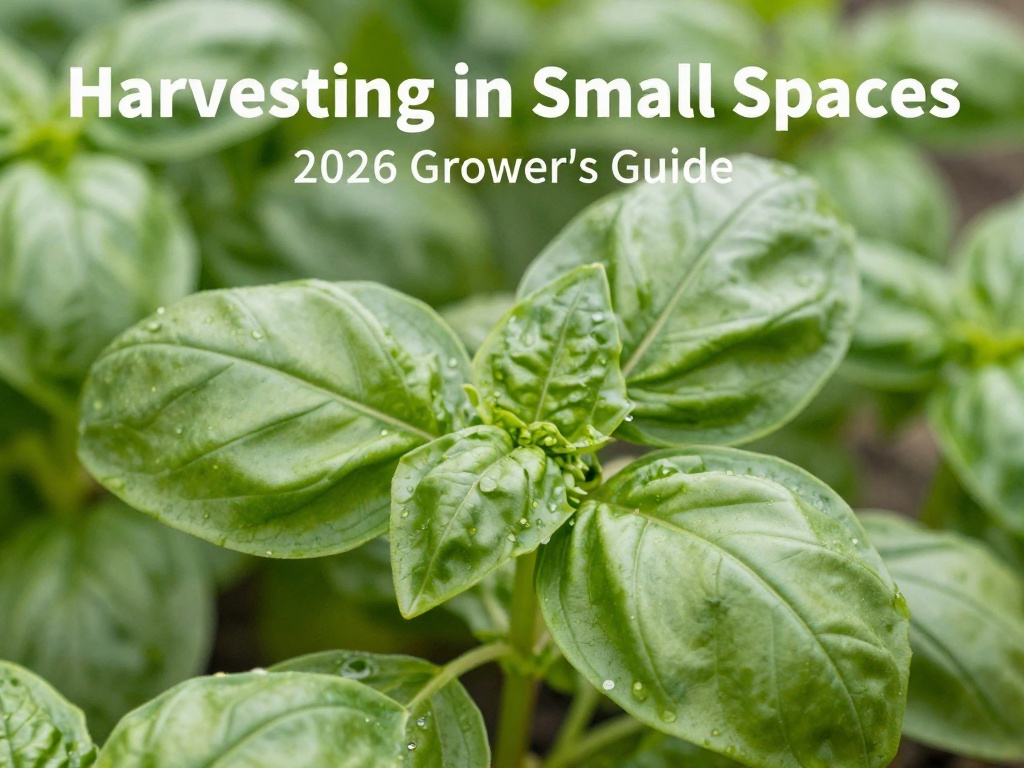
Basil Harvesting in Small Spaces: 2026 Grower's Guide
Growing and harvesting basil in small spaces has never been more accessible for urban gardeners and apartment dwellers. Whether you have a sunny windowsill, a modest balcony, or a few containers on your patio, you can enjoy a continuous supply of fresh, aromatic basil throughout the growing season. This comprehensive guide covers everything you need to know about basil harvesting in small spaces, from timing your first cut to maximizing your yield in limited areas.
Why Small Space Basil Gardening Works
Basil is remarkably well-suited for small space cultivation. This versatile herb thrives in containers and requires minimal root depth, making it perfect for windowsills, balconies, and even indoor setups. When you master the art of basil harvesting in small spaces, you'll discover that limited square footage doesn't mean limited returns. Container-grown basil often produces concentrated flavors because the focused growing medium encourages essential oil development in the leaves.
Small space gardening also offers practical advantages for basil enthusiasts. Containers warm up faster in spring, extending your growing season. You can move plants to optimize sun exposure throughout the day. Plus, growing basil near your kitchen means harvesting fresh herbs at peak freshness for maximum culinary impact.
When to Harvest Basil in Small Spaces
Timing your basil harvest correctly ensures the best flavor and promotes healthy plant growth. Most basil varieties are ready for their first harvest approximately 60 to 90 days after planting, when the plant has developed at least six to eight sets of true leaves. The ideal time of day for harvesting basil is early morning, after the dew has dried but before the afternoon heat intensifies. During these cooler hours, the essential oils that give basil its characteristic aroma and flavor are at their peak concentration.
Signs Your Basil is Ready for Harvest
Your basil plant signals its readiness through several visual indicators. Look for established plants with multiple branches, each bearing several mature leaves. The stems should feel firm rather than flimsy, and the leaves should display their characteristic rich green color. Avoid harvesting when plants are young or stressed, as this can stunt their growth and reduce your long-term yield.
Understanding Basil Growth Cycles
Basil follows a predictable growth pattern that savvy gardeners leverage for maximum production. The plant naturally responds to harvesting by producing new growth from the cut point. This phenomenon, called axillary bud development, means that strategic harvesting actually encourages bushier, more productive plants. Understanding this cycle allows you to plan successive harvests and maintain continuous production throughout the season.
Essential Tools for Small Space Basil Harvesting
Successful basil harvesting in small spaces requires minimal equipment, but using the right tools makes a significant difference. A sharp, clean pair of pruning snips or scissors forms the foundation of your harvesting toolkit. Dull blades crush stems rather than cutting cleanly, which can damage plants and introduce disease. Keep a small container or basket nearby for collecting your harvest, and consider having a damp paper towel ready to wrap delicate leaves if you're not using them immediately.
Sanitation matters even in small-scale operations. Wipe down your cutting tools with rubbing alcohol between plants to prevent potential disease transmission. This practice becomes especially important when harvesting basil from multiple containers or moving between indoor and outdoor plants.
Step-by-Step Basil Harvesting Technique
Proper technique transforms occasional snipping into systematic production. Begin your harvest by identifying the correct cutting location on each stem. Find the point where two large leaves meet or where smaller leaves emerge from the stem. Position your cutting tool approximately one-quarter inch above this junction, angled slightly away from the plant center. This placement leaves enough stem material to support new growth while avoiding damage to the main branch structure.
The Pinching Method for Beginners
The simplest approach to basil harvesting in small spaces involves pinching stems directly between your thumb and forefinger. Grasp the stem just above a leaf node, where two leaves emerge opposite each other, and gently pinch until the stem separates. This method works well for young stems and soft varieties like sweet basil. However, for thicker stems or more precise cuts, scissors or pruners provide cleaner results and reduce hand fatigue during larger harvests.
Strategic Cutting Patterns
Developing a systematic cutting pattern promotes even growth and prevents lopsided development. Work around your basil plant in a circular motion, taking stems from different sections rather than concentrating all cuts in one area. This approach ensures that new growth emerges uniformly, maintaining the plant's balanced appearance while distributing the harvest load across the entire specimen.
Maximizing Yield in Limited Areas
Small space gardeners must think strategically about yield optimization. The key principle involves harvesting frequently in modest amounts rather than harvesting infrequently in large quantities. Taking two to four stems at a time, two to three times per week, produces better results than removing half the plant in a single session. This approach keeps plants productive while preventing the stress that occurs when basil plants lose too much foliage simultaneously.
Container Selection for Maximum Production
Your container choice directly impacts basil production in small spaces. Select pots with adequate drainage holes and a minimum depth of six to eight inches to accommodate basil's root system. Terra cotta and fabric grow bags offer excellent drainage and air circulation, reducing the risk of root rot that can devastate small-space basil operations. Ensure your containers are large enough to support mature plants without becoming root-bound, which reduces both plant vigor and leaf production.
Succession Planting Strategy
Maintain continuous harvests by staggering your plantings. Start new basil seedlings every three to four weeks during the growing season, ensuring that as one plant reaches peak production, the next is developing. This succession planting strategy provides a constant supply of fresh growth while preventing gaps in your harvest schedule. For apartment gardeners, windowsill succession planting allows year-round production with minimal space requirements.
Post-Harvest Handling and Storage
Proper handling after harvest preserves the quality of your freshly cut basil. Fresh basil is highly perishable, with wilting and browning occurring rapidly under improper conditions. The most effective storage method involves placing cut stems in a glass or jar filled with an inch or two of water, similar to fresh flowers. Store the container in the refrigerator's vegetable compartment, or keep it at room temperature if using within a day or two.
For longer-term storage, consider freezing harvested basil in ice cube trays with olive oil or water. These convenient cubes add instant fresh basil flavor to soups, sauces, and cooked dishes. Alternatively, dried basil provides extended shelf life, though the flavor profile differs noticeably from fresh leaves.
Common Mistakes to Avoid
Several pitfalls commonly affect small space basil harvesting. Allowing flowers to develop signals the plant to redirect energy toward seed production, resulting in bitter leaves and reduced foliage. Regular harvesting and pinching back flower buds maintains leaf quality and encourages bushy growth. Another frequent error involves harvesting from the same stems repeatedly, which weakens plants and creates uneven growth patterns.
Overwatering and underwatering both stress basil plants and compromise harvest quality. Container-grown basil requires consistent moisture but cannot tolerate waterlogged soil. Check your containers daily during hot weather, and ensure excess water escapes through drainage holes rather than pooling around roots.
Indoor Basil Harvesting Considerations
Growing basil indoors opens year-round harvesting opportunities for apartment gardeners. Indoor basil plants typically grow more slowly than outdoor specimens due to reduced light intensity, requiring patience between harvests. Position your containers near south-facing windows that receive at least six hours of direct sunlight daily, or supplement with grow lights designed for edible plants. Indoor basil still responds well to regular harvesting, and the controlled environment reduces pest and disease pressures that affect outdoor plants.
Enjoying Your Small Space Basil Harvest
The rewards of mastering basil harvesting in small spaces extend far beyond the satisfaction of self-sufficiency. Freshly harvested basil transforms everyday meals with bright, aromatic flavors that supermarket herbs simply cannot match. From classic caprese salads to homemade pesto, Thai basil stir-fries to infused olive oils, your small space garden becomes a continuous source of culinary inspiration.
Share your abundance with neighbors and friends, or preserve excess harvest for winter months when fresh herbs command premium prices. Small space gardening proves that productive harvests aren't limited to rural properties or expansive backyards. With proper technique and consistent care, your windowsill, balcony, or patio basil plants will reward you generously throughout the year.
Frequently Asked Questions
How much basil can I harvest at once from a small plant?
For small space basil plants, limit your harvest to no more than one-third of the plant at any single time. Taking two to four stems from a mature plant allows continued photosynthesis and healthy regrowth. Harvesting smaller amounts more frequently produces better results than occasional large harvests.
Does harvesting basil hurt the plant?
When performed correctly, harvesting basil actually promotes healthier, more vigorous growth. Strategic harvesting stimulates axillary bud development and prevents the plant from becoming leggy or going to seed prematurely. The key is using sharp, clean tools and cutting at the appropriate points on each stem.
Can I harvest basil from multiple small containers at the same time?
Yes, you can harvest from multiple containers as long as each plant has sufficient foliage remaining. Stagger your harvests throughout the week rather than harvesting all containers on the same day. This approach prevents any single plant from becoming overharvested while maintaining continuous production across your small space garden.
What's the difference between pruning and harvesting basil?
While the techniques overlap, pruning typically refers to cuts made specifically to shape plants or remove damaged growth, while harvesting targets leaves and stems for culinary use. Both practices encourage bushy growth when performed correctly. Regular harvesting serves as ongoing pruning, maintaining plant shape while providing fresh herbs.
How long does it take for basil to regrow after harvesting?
Under optimal conditions, basil plants typically produce visible new growth within three to seven days after harvesting. Warmer temperatures, adequate sunlight, and proper watering accelerate regrowth. In small containers, expect slightly longer recovery times compared to plants in larger growing spaces.
Should I wash basil immediately after harvesting?
Wash harvested basil just before use rather than immediately after cutting. Excess moisture on leaves can promote bacterial growth and accelerate wilting. If washing is necessary, dry leaves thoroughly with paper towels or a salad spinner before storage. Patience with unwashed herbs typically yields better results.
What's the best basil variety for small space harvesting?
Compact basil varieties perform exceptionally well in small spaces. Greek basil, bush basil, and spicy globe basil naturally form dense, rounded shapes that maximize production in minimal space. These varieties resist bolting and maintain flavor throughout the season, making them ideal choices for containers, windowsills, and other confined growing areas.
No comments