
Parsley Drip Irrigation for Beginners: 2026 Complete Setup Guide
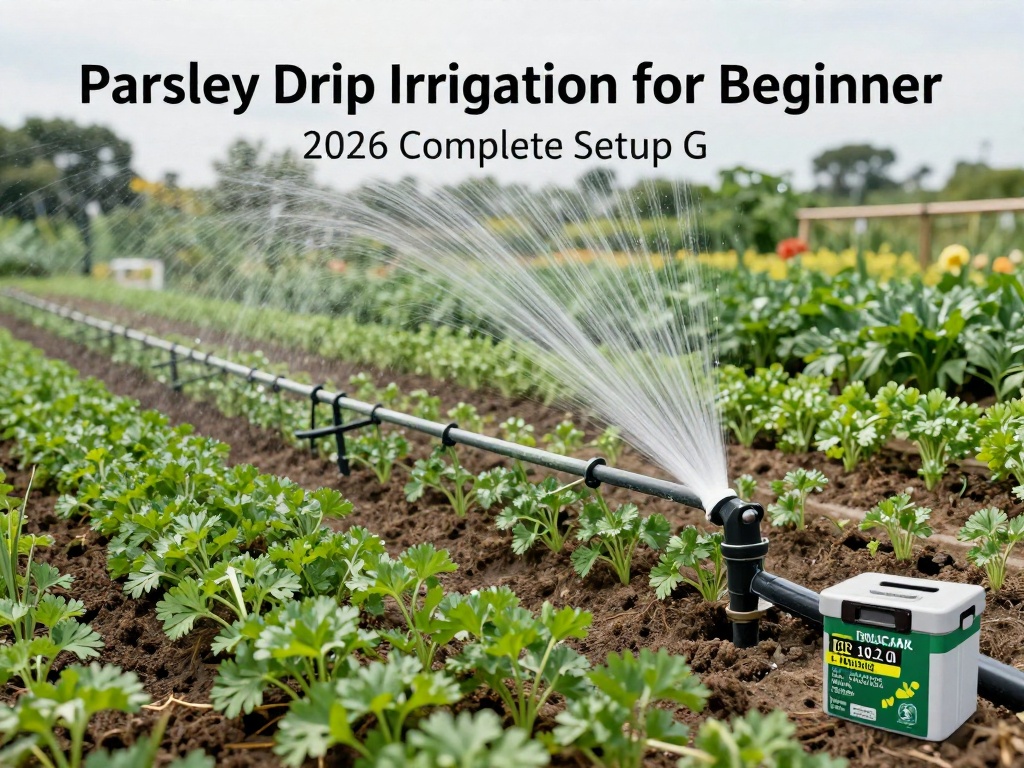
Parsley Drip Irrigation for Beginners: 2026 Complete Setup Guide
Growing parsley with drip irrigation is one of the smartest decisions you can make for your herb garden. This efficient watering method delivers water directly to the root zone, reducing waste by up to 60% while producing lusher, more flavorful harvests. Whether you grow parsley in containers, raised beds, or small garden spaces, mastering drip irrigation for beginners will transform your herb cultivation success.
Why Choose Drip Irrigation for Parsley?
Parsley is a moisture-loving herb that thrives with consistent, deep watering. Traditional overhead sprinklers lose water to evaporation and leaf disease, but drip systems solve these problems elegantly. By delivering water slowly at the soil level, you maintain optimal moisture without wetting the foliage, which prevents fungal issues that commonly plague parsley plants.
Water Conservation Benefits
Drip irrigation can reduce water usage by 30-60% compared to conventional methods. For urban gardeners and those in drought-prone areas, this means maintaining a productive parsley harvest even with water restrictions. The slow, steady moisture also prevents the soil fluctuations that cause parsley to become bitter or bolt prematurely.
Labor Efficiency for Home Gardeners
Once installed, your drip system runs automatically, freeing you from daily watering tasks. This proves especially valuable during hot summer months when parsley needs frequent irrigation. An automated system ensures your herbs receive consistent care whether you're at home or traveling.
Essential Components for Your Drip System
Building a drip irrigation setup for parsley requires just a few basic components available at any garden center or hardware store. Understanding each part helps you customize a system that perfectly matches your garden layout.
1. Water Source and Timer
Connect your system to a garden spigot or rain barrel with a hose thread adapter. A battery-operated timer automates watering schedules, running your system early morning when evaporation rates are lowest. This hands-free approach ensures parsley receives water during optimal hours for absorption.
2. Main Supply Line
A 1/2-inch polyethylene tubing serves as your primary water distribution line. This durable, UV-resistant hose connects to your water source and runs along your garden bed. The black color prevents algae growth while withstanding years of outdoor use.
3. Drip Tubing and Emitters
Smaller 1/4-inch drip lines branch from the main line to individual parsley plants. Pressure-compensating emitters with a flow rate of 0.5-1 gallon per hour work excellently for parsley in containers and raised beds. These emitters ensure even watering regardless of distance from the water source.
4. Filter and Pressure Regulator
Install a 150-mesh filter before your timer to prevent clogging from sediment. A 25 PSI pressure regulator protects your system components from high water pressure damage. These small investments prevent frustrating failures and extend your system's lifespan significantly.
Step by Step Installation for Beginners
Installing drip irrigation for parsley is a straightforward weekend project requiring minimal tools. Follow these stages carefully to create a reliable system that serves your herb garden for years.
Planning Your Layout
Map your garden before purchasing supplies. Measure the length and width of your parsley beds or container arrangements. Note the distance from your water source and identify any obstacles. A simple sketch ensures you buy the correct quantity of tubing and fittings.
For a typical 4x8 foot raised bed growing 8-12 parsley plants, you'll need approximately 25 feet of main line and enough drip tubing to reach each plant location. Planning prevents multiple trips to the store and ensures a smooth installation process.
Laying the Main Line
Run your main supply line along the highest edge of your garden bed, securing it with garden staples every 2-3 feet. Ensure the line slopes slightly away from your water source to promote even water distribution. Cut the tubing cleanly using sharp scissors or a tubing cutter for proper fitting connections.
Installing Emitters and Drip Lines
Punch holes in the main line where your parsley will grow using a standard drip irrigation hole punch. Insert barbed connectors or punch-in emitters at each designated plant location. Run 1/4-inch micro-tubing from each emitter to the base of your parsley plants, positioning the tubing outlet exactly where the root zone begins.
Testing and Adjusting
Before burying any components, run your system for a full watering cycle. Observe each emitter for consistent flow and check for leaks at connection points. Make necessary adjustments before backfilling soil around your lines. This testing phase catches problems when they're easy to fix.
Optimal Watering Schedule for Parsley
Establishing the correct watering frequency ranks among the most critical factors for success with drip irrigation for beginners. Parsley requires consistent moisture without becoming waterlogged, which makes drip systems ideal for meeting these specific needs.
Frequency Guidelines by Season
During spring and fall, water parsley every 2-3 days for 20-30 minutes per cycle. Summer heat typically demands daily watering, possibly twice daily during heat waves exceeding 90°F. Winter parsley grown indoors may need watering only every 3-4 days depending on indoor humidity levels.
Duration Settings
Start with 20-minute watering cycles and observe your parsley's response. Leaves should appear vibrant green without yellowing or wilting. Check soil moisture 2 inches below the surface between waterings—the soil should feel moist but not saturated. Adjust your timer accordingly, adding 5-minute increments until achieving optimal results.
Common Mistakes to Avoid
Even experienced gardeners encounter challenges with drip irrigation systems. Recognizing these common errors helps you sidestep frustration and achieve faster success with your parsley garden.
Emitter Clogging Issues
Sediment, mineral deposits, and algae frequently cause emitter failures. Installing a quality filter solves most clogging problems. For hard water areas, consider using a filter with a mesh rating of 200 or higher. Flush your system monthly by removing end caps and running clear water through all lines.
Overwatering in Containers
Container-grown parsley with drip irrigation risks waterlogging if drainage isn't adequate. Ensure your containers have sufficient drainage holes and elevate pots slightly to prevent water accumulation. Consider using pot feet or risers to improve drainage and air circulation around container plants.
Ignoring Seasonal Adjustments
Static watering schedules rarely work year-round. Failing to adjust for seasonal changes causes either underwatering stress or root rot problems. Review your system's performance monthly and adjust timing as temperatures and rainfall patterns shift throughout the growing season.
Maintenance Tips for Long-Term Success
Regular maintenance keeps your drip irrigation system running efficiently for years. These simple tasks require minimal time investment while preventing costly repairs or replacements.
Winter Protection
In freezing climates, disconnect your system before the first hard frost. Drain all water from lines and store components indoors during winter months. Remove batteries from timers to prevent corrosion damage. Spring reassembly takes just minutes once freezing danger passes.
End-of-Season Cleaning
At season's end, flush lines thoroughly and inspect each emitter for damage or wear. Replace any cracked tubing or malfunctioning emitters before storing components. Clean filters and check pressure regulators for proper operation. A well-maintained system returns season after season with minimal replacement needs.
Maximizing Your Parsley Harvest with Drip Irrigation
The consistent moisture provided by drip irrigation directly translates to healthier plants and larger harvests. Understanding how to leverage your system for maximum yield helps you get the most from your gardening investment.
Promoting Bushier Growth
Regular, deep watering encourages parsley to develop extensive root systems and lush, branching foliage. Cut stems regularly from the outside of each plant, harvesting no more than one-third of the plant at once. This harvesting method stimulates new growth and extends your harvest window throughout the growing season.
Preventing Premature Bolting
Even moisture levels prevent parsley from bolting—the stress response where plants send up flower stalks prematurely. By maintaining consistent soil moisture with your drip system, you keep parsley in productive vegetative growth longer, enjoying fresh harvests for months instead of weeks.
FAQ: Drip Irrigation for Beginners Growing Parsley
How much does it cost to set up drip irrigation for parsley?
A basic drip irrigation system for a small herb garden costs between $30-60 for materials. This includes main tubing, emitters, connectors, a timer, and basic filtration. More elaborate systems with advanced features may cost $100-150, but starter kits provide excellent value for beginners.
Can I use drip irrigation for parsley in containers on my patio?
Absolutely! Container gardening with drip irrigation works wonderfully for parsley. Use micro-drip systems with 1/4-inch tubing feeding individual pots. Position a small reservoir or connect to your outdoor spigot. Container systems often require more frequent watering than in-ground plantings due to faster soil drying.
How long does drip irrigation take to install for beginners?
First-time installers typically complete a basic parsley drip system in 2-4 hours, including planning and testing. Experience reduces installation time significantly, and many gardeners complete smaller setups in under an hour. Taking time during planning prevents rushed mistakes that cost time later.
What's the ideal watering time for parsley with drip irrigation?
Most parsley gardens need 20-30 minutes per watering cycle when using 0.5-1 GPH emitters. Adjust based on your soil type—sandy soils drain faster requiring longer sessions, while clay soils hold moisture longer. Always water early morning for best results and disease prevention.
Will drip irrigation work with a rain barrel water source?
Drip systems function with rain barrels, though gravity-fed systems require careful planning. Position barrels at least 2 feet above your plants for adequate pressure. You may need larger diameter tubing to compensate for lower pressure. Automatic timers may require barrel-specific adapters for proper connection.
When will I see results from switching to drip irrigation for my parsley?
Most gardeners notice improved parsley health within 2-3 weeks of installing drip irrigation. The consistent moisture eliminates stress-related issues like wilting and bitter flavor. Within one growing season, you'll typically harvest 30-50% more parsley compared to inconsistent manual watering methods.
How do I winterize my parsley drip irrigation system?
Disconnect the system from your water source, drain all tubing completely, and remove the timer batteries. Store filter components indoors and coil tubing without kinking. Flush emitters with clean water and store them in a sealed bag. Most components last 5-10 years with proper winter storage and annual maintenance.
No comments