
Potatoes Mulching for Beginners: 2026 Complete Guide
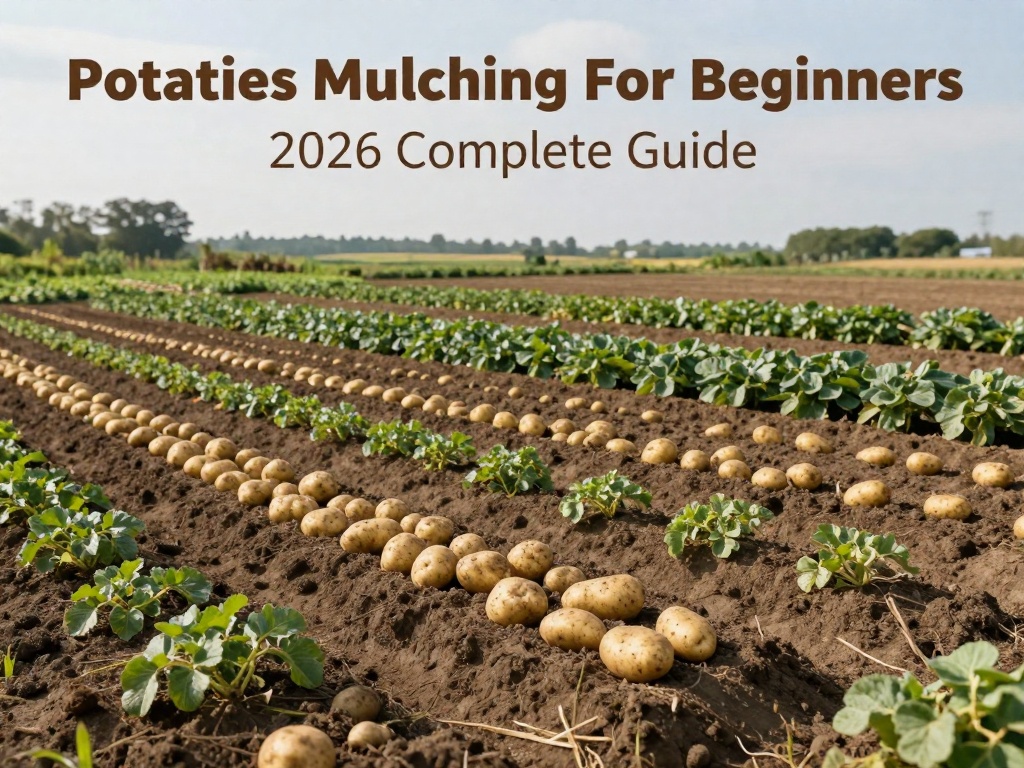
Potatoes Mulching for Beginners: 2026 Complete Guide
Mulching potatoes is one of the most rewarding techniques that beginner gardeners can master for healthier plants and bigger harvests. This practice helps retain soil moisture, suppresses weeds, and protects developing tubers from sunlight exposure. Whether you grow potatoes in raised beds, containers, or traditional garden rows, proper mulching can transform your gardening experience in 2026.
This comprehensive guide covers everything you need to know about potatoes mulching for beginners, from selecting the right mulch materials to applying them at the optimal growth stages. By following these proven techniques, you'll enjoy healthier potato plants with significantly less maintenance throughout the growing season.
Why Mulching Potatoes Matters
Potatoes benefit immensely from mulching, and understanding these benefits will motivate you to implement this practice consistently. Mulch creates a protective barrier over the soil surface that offers multiple advantages throughout the potato growing cycle.
Moisture Retention Benefits
Mulch dramatically reduces water evaporation from the soil, keeping the root zone consistently moist. Potatoes require steady water availability, especially during tuber formation and enlargement. A 3-4 inch mulch layer can reduce watering frequency by up to 50%, saving both time and water resources.
Weed Suppression Properties
Weeds compete fiercely with potato plants for nutrients, water, and growing space. Mulch blocks sunlight from reaching weed seeds, preventing their germination and growth. This natural weed control method eliminates the need for constant cultivation that could damage shallow potato roots.
Soil Temperature Regulation
Mulch acts as insulation for the soil, keeping it cooler during hot summer months and warmer during unexpected cold snaps. This temperature stability protects developing tubers from stress that could stunt growth or cause quality issues.
Best Mulch Types for Potatoes
Selecting the appropriate mulch material is crucial for successful potato cultivation. Different mulches offer unique advantages, and beginners should consider availability, cost, and local climate when making their choice.
Straw Mulch
Straw ranks among the most popular choices for potatoes mulching for beginners because it's readily available and easy to work with. Wheat, oat, or barley straw provides excellent coverage without introducing weed seeds. Apply straw in a 4-6 inch layer after potato plants emerge and begin to flower.
Grass Clippings
Fresh grass clippings work excellently when applied in thin layers of 2-3 inches. Allow each layer to dry before adding more to prevent matting and odor problems. Never use clippings from lawns treated with herbicides or pesticides that could harm your potato plants.
Wood Chips and Shredded Bark
Wood-based mulches break down slowly and provide long-lasting coverage throughout the growing season. These materials work particularly well in perennial garden settings and offer an attractive appearance. Use only well-aged wood chips to avoid nitrogen depletion in the soil.
Compost as Mulch
Finished compost serves dual purposes as both mulch and soil amendment. A 3-inch layer of quality compost suppresses weeds effectively while slowly feeding your potato plants throughout the season. This option works exceptionally well for beginners seeking the simplest solution.
When to Apply Mulch to Potato Plants
Timing your mulch application correctly significantly impacts potato plant health and tuber development. Beginners should pay close attention to plant growth stage and local weather conditions when deciding when to mulch.
Initial Mulching Stage
Apply your first mulch layer when potato plants are 6-8 inches tall, typically 2-3 weeks after planting. At this stage, plants have developed sufficient foliage to photosynthesize effectively, and the mulch will protect the soil around them. This initial application should be 3-4 inches deep using lightweight materials.
Hilling and Mulch Updates
Traditional potato hilling involves mounding soil around plant stems, but mulch allows you to substitute this practice entirely. When plants reach 10-12 inches in height, add additional mulch around stems until only the top few leaves remain visible. Continue building mulch layers throughout the season as materials settle and decompose.
Late Season Considerations
Maintain your mulch layer through the entire growing season until harvest time approaches. In regions with late-season frost concerns, mulch provides valuable frost protection for foliage, extending the growing period. When potato foliage naturally dies back, the existing mulch simplifies harvest by keeping soil loose and tubers clean.
Step-by-Step Mulching Process
Following a systematic approach ensures the best results when mulching potatoes for the first time. This step-by-step method eliminates guesswork and helps beginners achieve professional-level results.
Step 1: Prepare Your Potato Bed
Begin with properly prepared soil that has been loosened to a depth of 8-10 inches. Remove all existing weeds and debris from the planting area. Ensure adequate soil moisture before applying mulch, as mulching dry soil can delay water penetration.
Step 2: Plant Your Seed Potatoes
Place seed potatoes 8-10 inches deep in traditional rows or containers. Space plants 12 inches apart in rows separated by 24-36 inches. The adequate planting depth reduces the need for immediate mulching and gives developing plants a strong start.
Step 3: Wait for Emergence
Allow potato plants to emerge and reach the 6-8 inch height before applying mulch. This waiting period ensures plants are strong enough to handle the mulch weight and have begun establishing their root systems.
Step 4: Apply Initial Mulch Layer
Carefully place your chosen mulch material around each potato plant, creating a uniform layer 4-6 inches deep. Keep mulch at least 2 inches away from plant stems to prevent moisture-related stem rot. The mulch should cover the entire soil surface between plants.
Step 5: Maintain Throughout Season
Check mulch levels every 2-3 weeks, adding fresh material as needed to maintain the 4-6 inch depth. Top up mulch after heavy rains that may have displaced material. Watch for compacted layers and fluff them with a garden fork to restore proper aeration.
Common Mulching Mistakes to Avoid
Beginners often encounter challenges when first implementing potato mulching techniques. Understanding these common mistakes helps you avoid them and achieve better results in your 2026 potato garden.
Avoiding Excessive Mulch Depth
While deep mulch seems beneficial, excessively thick layers can suffocate plant roots and create anaerobic conditions. Stick to the recommended 4-6 inch depth and adjust based on material density. Light, fluffy materials like straw can be applied slightly deeper than dense materials like wood chips.
Preventing Pest harbor
Some mulch materials can attract potato pests like slugs, earwigs, and voles. Monitor your mulch regularly for pest activity and take corrective action promptly. Using a mix of mulch types or slightly thinner layers near plant stems reduces pest harbor sites.
Managing Disease Risks
Continuously wet mulch against potato stems can encourage fungal diseases like blackleg and soft rot. Maintain adequate spacing between mulch and plant stems. If you notice disease symptoms, temporarily pull mulch away from affected plants to allow stems to dry.
Mulching Potatoes in Different Growing Environments
Potato mulching techniques vary depending on your specific growing situation. Beginners should adapt their approach based on whether they garden in containers, raised beds, or traditional in-ground rows.
Mulching Potatoes in Containers
Container growing presents unique challenges for beginners. Use a lighter mulch material that won't add excessive weight to your containers. A 2-3 inch layer of straw or coir fiber works well in containers, supplemented by additional material as plants grow taller.
Mulching Potatoes in Raised Beds
Raised beds offer excellent drainage but tend to dry out faster than in-ground plantings. Apply mulch slightly deeper at 5-6 inches to compensate for increased evaporation. Mulch helps raised bed gardens retain the valuable soil moisture that would otherwise drain away quickly.
Mulching Potatoes in Small Spaces
Urban gardeners growing potatoes on patios or balconies can still benefit from mulching techniques. Use lightweight mulch options like coconut coir or shredded leaves that won't overwhelm your space. Even small-scale potato plantings respond dramatically to proper mulching.
Organic Methods for Sustainable Results
Organic mulching approaches align perfectly with sustainable gardening principles and natural growing methods. These techniques produce healthy potatoes without relying on synthetic materials or chemical inputs.
Using Cover Crops as Mulch
Terminate cover crops like winter rye or crimson clover and use them as mulch directly on potato beds. This method, sometimes called "stale seedbed technique," provides excellent weed suppression while adding organic matter to the soil as it decomposes.
Leaf Mulch for Potatoes
Fallen autumn leaves make excellent potato mulch when properly aged or shredded. Mix leaves with grass clippings or other nitrogen-rich materials to speed decomposition. Whole leaves can mat together, so shredding or mixing with other materials is essential for even coverage.
Living Mulch Concepts
Some gardeners intercrop potatoes with low-growing companion plants like clover or vetch that serve as living mulch. These companions suppress weeds, fix atmospheric nitrogen, and protect soil structure. Manage living mulches carefully to prevent competition with potato plants.
Frequently Asked Questions
What is the best time to start mulching potatoes?
Begin mulching potatoes when plants reach 6-8 inches in height, typically 2-3 weeks after they emerge from the soil. This timing allows plants to establish strong roots while still benefiting from the protective mulch layer throughout their critical growing period.
Can I grow potatoes using only mulch without soil?
Yes, this method called the "Ruth Stout method" involves planting seed potatoes directly into mulch without traditional soil mounds. Maintain a thick 8-10 inch mulch layer throughout the season, adding more material as tubers develop. This technique works especially well in raised beds.
How thick should the mulch layer be for potatoes?
Apply mulch 4-6 inches deep for most materials, adjusting based on density and your specific growing conditions. Light materials like straw can be slightly deeper, while heavier materials like wood chips should be thinner to prevent compaction and ensure adequate oxygen exchange.
What happens if I apply mulch too early?
Applying mulch before plants emerge can delay germination by keeping soil cool and potentially waterlogged. It can also create hiding places for slugs and snails that damage emerging potato shoots. Always wait until plants are visibly growing before applying mulch.
Does mulching potatoes affect the size of the harvest?
Mulching typically increases potato harvest yields by maintaining consistent soil moisture, reducing weed competition, and protecting developing tubers from environmental stress. Many beginners report 20-30% larger harvests compared to traditional unmulched growing methods.
Can I use hay instead of straw for mulching potatoes?
Hay contains more weeds and seeds than straw, making it less ideal for potato mulching. If you use hay, apply it very thick at 8-10 inches and expect some weed growth. Clean straw remains the preferred choice for beginners seeking the most predictable results.
No comments