
How to Grow Basil in Small Spaces: 2026 Complete Care Guide
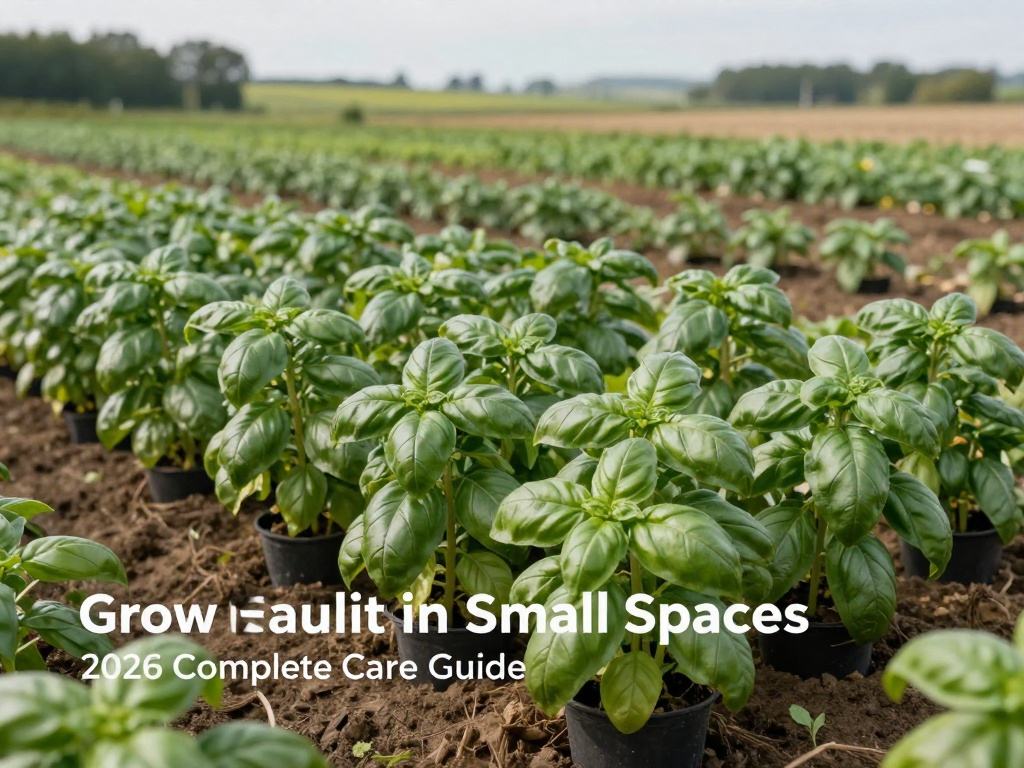
How to Grow Basil in Small Spaces: 2026 Complete Care Guide
Growing fresh basil doesn't require a large garden or backyard. Whether you live in a tiny apartment, have limited counter space, or simply want fresh herbs on your windowsill, basil care in small spaces is entirely achievable. This comprehensive guide covers everything you need to know about cultivating thriving basil plants in containers, even in the most limited living situations.
Why Basil Thrives in Small Space Gardening
Basil is one of the most rewarding herbs for small space gardeners. This compact, fragrant plant adapts remarkably well to container growing and requires minimal root space compared to larger vegetable crops. For beginners and experienced gardeners alike, basil offers quick results—a single plant can produce abundant harvests within weeks of planting.
The versatility of basil makes it ideal for small spaces. You can grow it on sunny windowsills, small balconies, countertops, or even hanging planters. Modern apartment dwellers and urban gardeners increasingly choose basil as their gateway herb because it delivers fresh flavors for cooking while requiring manageable care routines.
The Benefits of Growing Basil in Limited Space
Container basil provides numerous advantages beyond space efficiency. You can move containers to chase optimal sunlight throughout the day. Potted basil stays cleaner than garden-grown herbs and faces fewer pest pressures. Most importantly, having fresh basil within arm's reach encourages more home cooking with aromatic, flavorful herbs.
Essential Requirements for Small Space Basil Care
Light Requirements
Basil demands at least six hours of direct sunlight daily for healthy growth. South-facing windowsills offer the best natural light conditions for indoor basil care in small spaces. If your living situation lacks adequate natural light, supplement with grow lights positioned six to twelve inches above your plants for fourteen to sixteen hours daily.
Signs of insufficient light include leggy growth, pale leaves, and reduced aroma. When basil stretches toward light sources, it signals the need for either better positioning or artificial supplementation. Rotate containers weekly to ensure even light exposure on all sides of the plant.
Container Selection
Choosing the right container significantly impacts basil health. Select pots with minimum diameter of six inches for single basil plants, with eight to ten inches preferred for robust growth. Ensure containers have adequate drainage holes—basil roots sitting in waterlogged soil quickly develop root rot and fungal problems.
Material choice affects moisture retention and temperature regulation. Terracotta and clay pots offer excellent drainage and airflow but dry out faster than plastic or ceramic containers. For small space convenience, self-watering planters or cache pots with reservoir systems reduce daily maintenance requirements while maintaining consistent soil moisture.
Soil and Growing Medium
Quality potting mix provides the foundation for successful basil care in small spaces. Use sterile, soilless potting mixes designed for container gardening rather than garden soil, which compacts poorly in pots and may harbor pests or diseases. Premium potting mixes offer proper drainage, aeration, and nutrient availability in a convenient, mess-free format.
Enhance your potting mix with perlite or coarse sand to improve drainage further. Adding perlite in ratios of one part perlite to three parts potting mix creates an ideal growing medium that balances moisture retention with proper drainage. Avoid using garden soil directly in containers—it becomes compacted and doesn't provide adequate root zone conditions.
Watering Techniques for Potted Basil
Establishing Proper Watering Schedules
Consistent watering ranks among the most critical aspects of basil care in small spaces. Container-grown basil typically requires watering every one to two days during warm weather, though frequency depends on temperature, humidity, container material, and plant size. The goal is maintaining consistently moist soil without waterlogging.
Check soil moisture before watering by inserting your finger one inch deep into the potting mix. If the soil feels dry at that depth, water thoroughly until excess moisture drains from bottom holes. If soil feels moist, wait another day before checking again. Establishing this simple routine prevents both under-watering stress and over-watering root rot.
Common Watering Mistakes to Avoid
Over-watering causes more basil deaths than under-watering, particularly in small containers with inadequate drainage. Always empty saucers beneath containers within thirty minutes of watering—prolonged water contact with drainage holes leads to root zone saturation. Conversely, allowing soil to completely dry between watering sessions stresses plants and triggers flowering, which reduces leaf production.
Watering at the base of the plant rather than overhead prevents leaf diseases and maximizes water efficiency. Wet foliage creates conditions favorable for downy mildew and other fungal issues, especially in humid small spaces with limited air circulation. A small watering can or bottle works perfectly for targeted soil watering in tight spaces.
Temperature and Humidity Management
Basil originates from tropical climates and thrives in warm conditions between sixty-five and eighty-five degrees Fahrenheit. Small space growers should position containers away from cold drafts, air conditioning vents, and drafty windows during cooler seasons. Sudden temperature fluctuations stress basil plants and can cause leaf discoloration or growth halt.
Humidity levels in most homes suit basil adequately, though extremely dry environments (common during winter heating seasons) may require supplemental humidity. Grouping containers together creates a microclimate with slightly elevated humidity. Alternatively, place containers on pebble trays filled with water to increase local humidity through evaporation without waterlogging roots.
Fertilizing for Healthy Growth in Limited Space
Nutrient management becomes especially important for basil care in small spaces because container plants have limited access to soil nutrients. Begin fertilizing approximately four weeks after planting, using diluted liquid fertilizer at half the strength recommended on product labels. Over-fertilization causes salt buildup and leaf burn, while inadequate nutrition results in pale, slow-growing plants.
Apply water-soluble fertilizer every two to four weeks during active growing seasons. Balanced fertilizers with equal nitrogen, phosphorus, and potassium (such as 10-10-10 formulations) support healthy leaf development. Organic options like fish emulsion, seaweed extract, or compost tea provide gentle nutrition without risk of chemical burn. Always water plants before fertilizing to prevent root damage from concentrated fertilizers.
Harvesting Techniques for Maximum Yield
Proper harvesting encourages bushier, more productive basil plants. Rather than stripping individual leaves, harvest entire stems to promote branching and continuous production. Cut stems just above leaf nodes where two smaller branches emerge—each cut location typically produces two new growing tips within days.
Begin harvesting once plants reach at least six inches tall with multiple sets of true leaves. Regular harvesting prevents premature flowering and extends the productive life of your basil. Never remove more than one-third of the plant at any single harvesting session to avoid stressing the root system. Morning harvesting captures peak essential oil concentration for the most flavorful results.
Preventing and Managing Common Problems
Pest Identification and Control
Even in small spaces, basil occasionally encounters pest pressures. Aphids, spider mites, and fungus gnats represent the most common culprits affecting indoor basil. Inspect new plants carefully before introducing them to your collection, and quarantine additions for two weeks to ensure they're pest-free.
For organic pest management, spray affected plants with diluted neem oil solution or insecticidal soap, covering all leaf surfaces including undersides. Repeat applications every five to seven days until pest populations diminish. Improving air circulation around containers and avoiding overwatering help prevent many common pest and disease issues before they require intervention.
Disease Prevention
Fungal diseases like fusarium wilt, downy mildew, and root rot affect basil when growing conditions become unfavorable. Prevent disease through proper spacing (even in small spaces, ensure adequate air circulation between containers), avoiding overhead watering, and maintaining appropriate soil moisture levels. Remove affected plant material promptly and adjust care practices if disease appears.
Choosing disease-resistant basil varieties simplifies small space basil care significantly. Many modern cultivars offer improved resistance to common basil diseases that plague home growers. When purchasing basil starts or seeds, look for varieties labeled with disease resistance for more forgiving growing experiences.
Best Basil Varieties for Small Space Growing
While sweet basil remains the most popular choice, numerous varieties offer excellent performance in containers and small spaces. Genovese basil provides the classic large leaves perfect for pesto and Italian cooking. Greek basil offers compact, bushy growth ideal for tiny pots and windowsill gardens. Thai basil delivers distinctive anise-flavored leaves that add Asian cuisine complexity.
Compact varieties like 'Spicy Globe' and 'Minette' stay under twelve inches tall while producing abundant harvests. These space-saving cultivars suit even the smallest apartments or cluttered countertops. For culinary versatility, consider growing two or three different varieties in separate small containers to explore varied flavors and aesthetics.
Seasonal Care Considerations
Adapting basil care routines to seasonal changes ensures year-round success in small spaces. Summer growing requires more frequent watering and potentially shade cloth protection during heat waves. Winter conditions demand reduced watering frequency, proximity to maximum light sources, and protection from cold drafts during heating season.
Extend your basil harvest season by bringing containers indoors before first frost, transitioning plants gradually to indoor conditions. Position indoor basil near your sunniest windows and consider supplementing with grow lights through dark winter months. With adjusted care routines, your small space basil can produce harvests year-round regardless of outdoor growing conditions.
FAQ: Frequently Asked Questions About Basil Care in Small Spaces
What are the easiest basil varieties for beginners growing in small spaces?
Sweet basil and Genovese basil represent the easiest varieties for beginners, offering vigorous growth, classic flavor, and broad availability. Greek basil and compact bush varieties like 'Spicy Globe' also excel for small space growing because they stay naturally bushy and require less maintenance. Starting with disease-resistant cultivars further increases your chances of success.
How often should I water basil grown in containers indoors?
Indoor basil in containers typically requires watering every one to two days, depending on humidity, temperature, pot material, and plant size. Always check soil moisture by inserting your finger one inch deep before watering. Plastic containers retain moisture longer than terracotta, so adjust schedules accordingly. Consistent moisture without waterlogging produces the healthiest basil.
What common mistakes should beginners avoid when growing basil?
Avoid over-watering, which causes root rot—the most common basil killer in small spaces. Don't place basil in low-light locations, as insufficient sun produces weak, flavorless plants. Resist the temptation to harvest too aggressively; always leave at least one-third of the plant intact. Finally, avoid growing basil in garden soil in containers—use quality potting mix instead.
Can I grow basil year-round in small apartments?
Yes, basil grows year-round in small apartments with proper care adjustments. Indoor basil needs six-plus hours of direct sunlight or equivalent grow light supplementation. Maintain temperatures between sixty-five and eighty-five degrees Fahrenheit. Reduce watering frequency during winter when growth slows. Supplemental lighting and careful temperature management enable continuous basil production in any season.
How much does it cost to start growing basil in small spaces?
Starting small space basil gardens costs surprisingly little. A quality six-inch pot costs five to ten dollars, and a bag of potting mix runs eight to twelve dollars. Starter basil plants typically cost three to five dollars each, while seed packets offering dozens of plants cost under five dollars. Total initial investment often falls under thirty dollars for a productive indoor basil garden.
When can I expect to harvest usable basil from my plants?
Basil seedlings reach harvestable size approximately three to four weeks after planting, while seed-grown basil typically produces first harvests within eight to ten weeks. Begin harvesting once plants have at least six inches of growth with multiple leaf sets. Regular harvesting after this point encourages continuous production throughout the growing season.
No comments