
Potatoes Propagating for Beginners: 2026 Step-by-Step Guide
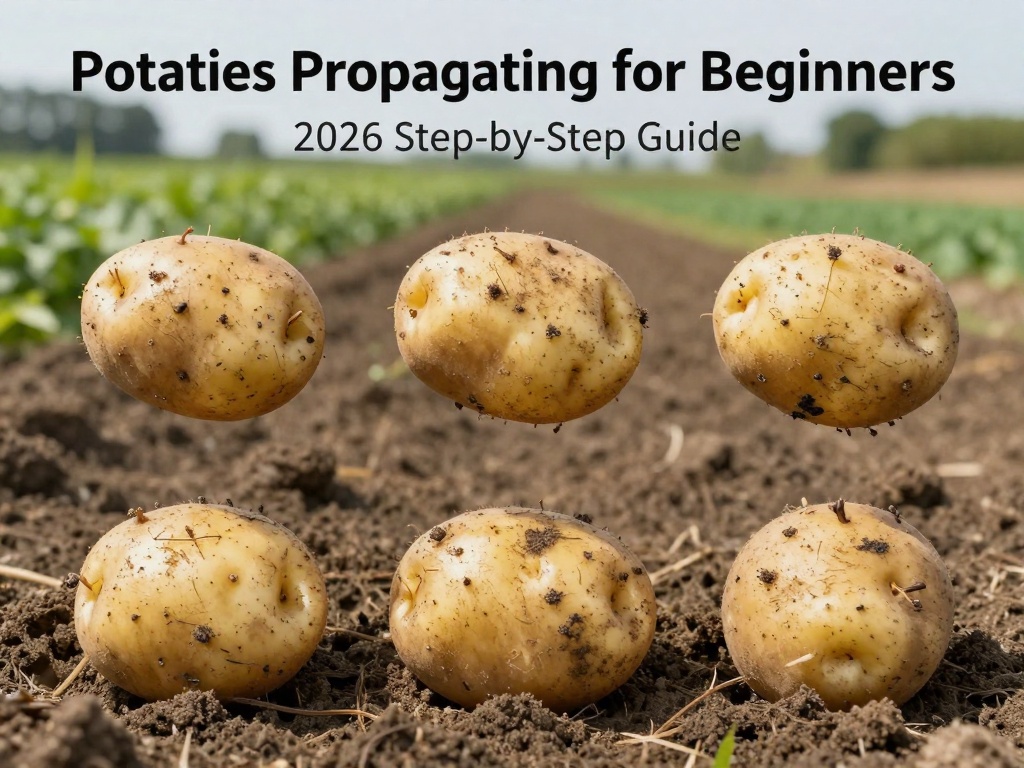
Potatoes Propagating for Beginners: 2026 Step-by-Step Guide
Potatoes propagating for beginners opens the door to one of the most rewarding vegetable gardening experiences. Whether you have a sprawling backyard or a modest container garden, growing your own potatoes delivers fresh, delicious tubers that outperform anything from grocery store shelves. This comprehensive 2026 guide walks you through every step of the process, from selecting seed potatoes to harvesting your first crop.
Understanding Potato Propagation Basics
Before diving into the practical steps, understanding how potatoes propagate is essential for success. Unlike many vegetables grown from seeds, potatoes propagate through vegetative reproduction using seed potatoes—small tubers saved specifically for planting. This method ensures genetic consistency and predictable yields season after season.
Why Grow Potatoes from Seed Potatoes?
Seed potatoes offer several advantages over other propagation methods. They establish quickly, resist disease better when properly certified, and produce true-to-type characteristics. Growing potatoes from true seeds remains possible but introduces unpredictable traits and significantly longer development time, making it impractical for most home gardeners.
Types of Potato Seeds for Beginners
Three main categories serve beginner growers: determinate varieties produce tubers in a single layer and suit containers and raised beds, while indeterminate varieties spread tubers throughout the soil depth and require hilling. Early-season potatoes mature in 70-90 days, mid-season in 90-120 days, and late-season varieties need 120-135 frost-free days for full maturity.
Choosing the Right Seed Potatoes in 2026
Selecting quality seed potatoes forms the foundation of successful propagation. Certified disease-free seed potatoes from reputable suppliers eliminate many common problems before planting begins. Local agricultural extension offices and trusted garden centers offer excellent starting material adapted to regional conditions.
Best Potato Varieties for First-Time Growers
For beginners, varieties like Yukon Gold, Red Pontiac, and Kennebec deliver reliable results with minimal complications. Yukon Gold produces buttery yellow tubers excellent for roasting and mashing, Red Pontiac offers firm red-skinned potatoes ideal for boiling, and Kennebec provides versatile white potatoes suitable for nearly any preparation method.
Where to Source Seed Potatoes
Avoid using supermarket potatoes for propagation, as these often carry diseases and may have been treated with sproute retardants. Purchase certified seed potatoes from established suppliers guaranteeing disease-free stock. Many gardeners order online during winter months for spring delivery, ensuring the best selection of varieties.
Preparing Seed Potatoes for Planting
Proper preparation transforms ordinary seed potatoes into vigorous planting stock. Chitting, or pre-sprouting, encourages faster emergence and earlier harvests—a valuable technique for beginners seeking quick results and confidence-building early yields.
Chitting Process Step by Step
Begin the chitting process approximately 4-6 weeks before your last expected frost date. Place seed potatoes in a single layer in egg cartons or shallow boxes with the eyes facing upward. Position them in a cool, bright location maintaining temperatures between 50-60°F (10-15°C). Strong, stocky sprouts measuring 1-2 inches indicate readiness for planting.
Cutting Large Seed Potatoes
Large seed potatoes exceeding golf ball size benefit from cutting into smaller pieces before planting. Each section should contain 2-3 healthy eyes and weigh at least 2 ounces. Allow cut surfaces to cure in dry, room-temperature conditions for 24-48 hours, forming protective calluses that prevent rot after burial.
When and Where to Plant Potatoes
Timing and location determine much of your potato growing success. Potatoes thrive in cool weather with consistent moisture, making spring planting ideal for most climate zones. Soil temperature matters significantly—planting too early in cold, wet soil invites decay while delays reduce yields.
Optimal Planting Time by Zone
For beginners in temperate regions, plant potatoes 2-4 weeks before the last expected frost when soil temperatures reach 45-50°F (7-10°C). Warmer climates with mild winters can plant in late winter for spring harvest. Cooler northern regions typically plant in early spring, while subtropical areas may achieve best results with fall planting.
Site Selection and Soil Requirements
Choose a location receiving at least 6-8 hours of direct sunlight daily. Potatoes demand loose, well-draining soil with pH between 5.0-6.5 for optimal nutrient uptake and disease resistance. Heavy clay soils benefit from substantial amendment with compost and aged manure, while sandy soils require additional organic matter for moisture retention.
Step-by-Step Planting Instructions
Following proper planting techniques ensures your seed potatoes establish quickly and develop robust root systems. This methodical approach works equally well in traditional garden beds, raised beds, or containers—adapted to your available space.
Traditional Garden Bed Planting
Dig trenches 6-8 inches deep, spacing rows 30-36 inches apart. Place seed potatoes with sprouts facing upward, maintaining 12-15 inches between individual pieces. Cover lightly with 3-4 inches of soil, leaving the remaining trench unfilled for subsequent hilling operations.
Container and Raised Bed Methods
Containers require at least 15 gallons capacity per plant for determinate varieties. Fill containers with 6 inches of prepared growing medium, place seed potatoes on the surface, and cover with 4 inches of soil. Raised beds accommodate closer spacing of 10-12 inches between plants, maximizing yield from limited space.
Caring for Growing Potato Plants
Ongoing care throughout the growing season determines tuber quality and quantity. Regular attention to watering, hilling, and pest management rewards patient gardeners with abundant harvests exceeding expectations.
Watering Guidelines for Maximum Yield
Potatoes require consistent moisture, especially during tuber formation and enlargement. Provide 1-2 inches of water weekly through rainfall or irrigation, adjusting for temperature and soil drainage. Uneven watering causes cracked, deformed tubers while drought stress reduces overall yield significantly.
The Critical Importance of Hilling
Hilling mounds soil around developing plants to protect forming tubers from sunlight exposure. Green potatoes contain toxic solanine compounds, making this protection essential for edible harvests. Begin hilling when plants reach 6-8 inches tall, adding soil to cover the lower stems and leaving only the top leaves exposed.
Weed and Pest Management
Keep potato beds weed-free, particularly during early growth when seedlings compete poorly for nutrients and water. Mulching with straw or shredded leaves suppresses weeds while maintaining soil moisture. Monitor regularly for aphids, Colorado potato beetles, and flea beetles, addressing infestations promptly with organic solutions when possible.
Harvesting Your Potato Crop
Knowing when and how to harvest marks the culmination of successful potato propagation. Different harvest times produce distinct characteristics—new potatoes offer tender, thin-skinned perfection while fully cured storage potatoes develop thicker skins for long-term preservation.
Harvesting New Potatoes
New potatoes—young, immature tubers—harvest 2-3 weeks after flowering begins. Gently dig around plant bases, selecting only the largest tubers and leaving smaller ones to continue growing. These delicate potatoes require immediate use, lasting only a few days in refrigeration.
Main Crop Harvesting Process
Full-season potatoes reach maturity when foliage yellows and dies back naturally, typically 2-4 weeks after flowering concludes. Stop watering at this point to allow tuber skins to cure in soil. Use a garden fork to lift entire plants, carefully excavating all tubers while minimizing damage.
Curing and Storing Your Harvest
Spread harvested potatoes in a single layer in a dark, well-ventilated location maintaining 50-55°F (10-13°C) for 1-2 weeks. This curing process thickens skins and heals minor wounds, preparing tubers for extended storage. Store in breathable containers in cool, dark conditions, checking monthly for signs of spoilage.
Common Mistakes to Avoid
Learning from typical errors accelerates the beginner's journey toward potato growing mastery. These pitfalls cause unnecessary failures and disappointment, but awareness enables simple prevention strategies.
Planting Too Deep or Too Shallow
Excessive planting depth delays emergence and stresses young plants, while overly shallow planting exposes developing tubers to sunlight. The ideal initial depth of 3-4 inches, followed by progressive hilling, accommodates proper root development and tuber protection.
Using Poor-Quality Seed Potatoes
Compromising on seed potato quality introduces diseases, genetic inferiority, and unpredictable performance. Certified seed potatoes from reputable sources cost modestly but deliver vastly superior results compared to saved grocery store potatoes or uncertified stock.
Overwatering and Poor Drainage
Excessive moisture causes seed potatoes to rot before sprouting and promotes fungal diseases throughout the growing season. Ensure adequate drainage through raised beds, mounded rows, or amended soil before planting your potato crop.
Advanced Tips for 2026
Experienced gardeners continuously refine their potato growing techniques. These advanced strategies maximize yields, minimize effort, and address specific growing challenges common among home cultivators.
No-Dig Potato Growing Method
No-dig potato cultivation eliminates traditional soil preparation and hilling. Simply place seed potatoes on the soil surface, covering with 8-10 inches of straw, hay, or compost. Tubers develop in the mulch layer, simplifying harvest and improving soil structure over time.
Companion Planting Strategies
Strategic companion planting enhances potato growth while maximizing garden space efficiency. Beans, corn, cabbage, and horseradish planted nearby provide mutual benefits including pest deterrence and nutrient sharing. Avoid planting tomatoes, cucumbers, or squash near potatoes, as these share diseases and compete for nutrients.
Troubleshooting Common Problems
Even well-planned potato growing ventures encounter occasional challenges. Identifying issues quickly enables prompt correction, salvaging harvests that might otherwise be lost to disease, pests, or environmental stress.
Yellowing Leaves and Stunted Growth
Yellowing foliage often indicates nutrient deficiencies, particularly nitrogen and potassium. Apply balanced organic fertilizer or compost tea when symptoms appear. Stunted growth alongside yellowing suggests poor soil conditions, root damage, or compacted soil restricting normal development.
Black Spots and Fungal Issues
Black spots on tubers may indicate late blight, early blight, or mechanical damage. Improve air circulation, practice crop rotation, and remove infected plant material promptly. Prevention through resistant varieties and proper spacing proves more effective than treatment of established infections.
FAQ: Potatoes Propagating for Beginners
How long does it take to grow potatoes from seed potatoes?
Potato growth timelines vary by variety, ranging from 70 days for early-season types to 135 days for late-season varieties. New potatoes can be harvested 2-3 weeks after flowering, while full-sized storage potatoes require the complete growing season specified for each variety.
Can I plant store-bought potatoes to grow more potatoes?
Store-bought potatoes are not recommended for planting because they often carry diseases, may have been treated with sprout inhibitors, and rarely produce optimal results. Certified seed potatoes from suppliers ensure disease-free stock and reliable germination, making them worthwhile investments for serious growers.
Do potatoes need full sun or shade to grow?
Potatoes require full sun exposure of at least 6-8 hours daily for optimal growth and maximum tuber production. While they tolerate some afternoon shade in hot climates, insufficient sunlight results in leggy plants, poor tuber development, and reduced overall yields.
What is the easiest method for beginners to grow potatoes?
The container method offers the simplest approach for beginners, providing complete control over soil quality, drainage, and harvest conditions. Use a 15-gallon container with drainage holes, fill with 6 inches of quality potting mix, plant one seed potato, and add soil as plants grow.
How often should I water potato plants?
Potato plants need consistent moisture averaging 1-2 inches weekly throughout the growing season. Water deeply but infrequently, allowing soil to dry slightly between waterings. Increase frequency during hot, dry periods and reduce watering as plants approach maturity and foliage yellows.
What are the signs that potatoes are ready to harvest?
Potatoes signal harvest readiness through foliage yellowing and natural die-back, typically occurring 2-4 weeks after flowering concludes. Tuber skins should feel firm and adhere strongly when rubbed. Avoid harvesting in wet conditions, as excess moisture complicates curing and storage.
No comments