
Basil Planting on Balcony: 2026 Beginner's Complete Guide
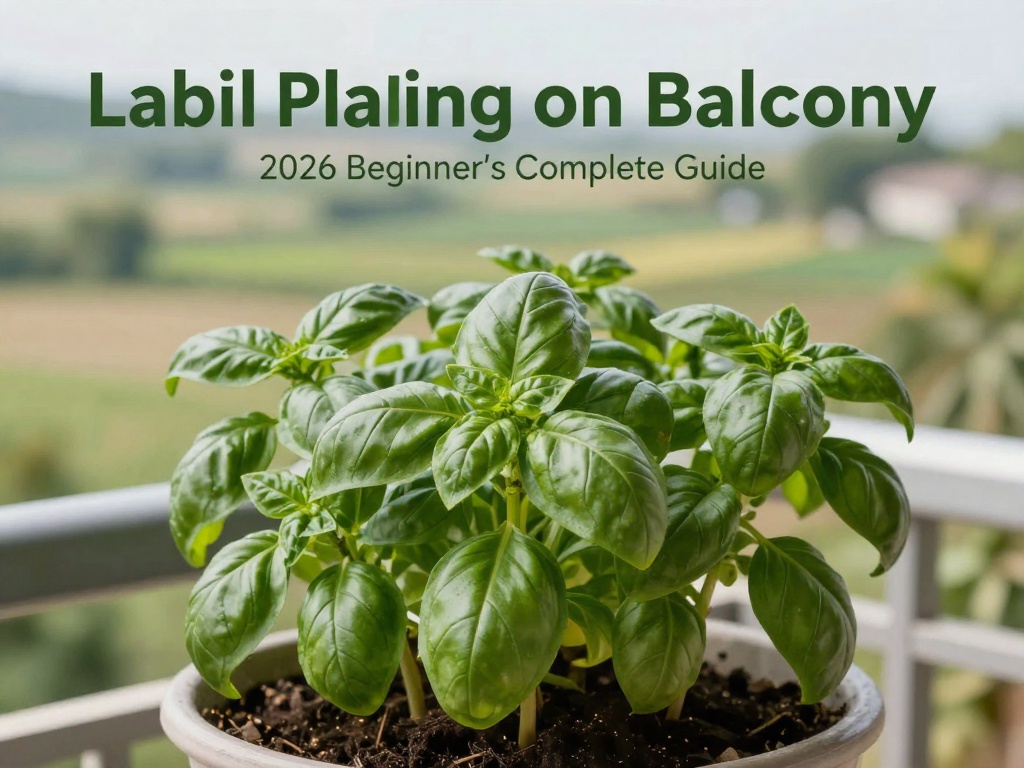
Basil Planting on Balcony: 2026 Beginner's Complete Guide
Basil planting on balcony has become one of the most rewarding ways to enjoy fresh, aromatic herbs without needing a traditional garden. Whether you have a tiny apartment balcony or a spacious terrace, growing basil in containers is surprisingly simple and deeply satisfying. This comprehensive guide will walk you through everything you need to know to cultivate thriving basil plants in your balcony space, no matter your experience level.
Why Grow Basil on Your Balcony?
There are countless reasons why basil planting on balcony makes perfect sense for modern urban dwellers. Fresh basil elevates your cooking from ordinary to extraordinary, and nothing beats the convenience of snipping a few leaves directly from your balcony. Container-grown basil also serves as a beautiful ornamental plant, releasing its delightful fragrance into your outdoor living space.
Beyond culinary uses, basil acts as a natural pest repellent, helping to protect other plants on your balcony from unwanted insects. Studies from agricultural universities have shown that basil can deter aphids, spider mites, and whiteflies when planted alongside vegetables and other herbs.
Best Basil Varieties for Balcony Growing
Sweet Basil (Ocimum basilicum)
The most popular variety for beginners, sweet basil thrives in containers and produces large, aromatic leaves perfect for Italian dishes, pesto, and salads. This variety prefers consistent warmth and performs exceptionally well on south-facing balconies with 6-8 hours of sunlight daily.
Thai Basil
For those who love Asian cuisine, Thai basil offers distinctive anise-clove flavors that hold up beautifully in cooked dishes. This variety tolerates slightly cooler temperatures better than sweet basil, making it ideal for balconies in regions with variable climates.
Genovese Basil
Considered the king of pesto basil, Genovese features highly aromatic leaves with superior flavor profiles. This variety grows vigorously in containers and produces abundant harvests throughout the growing season when properly maintained.
Compact Bush Varieties
If your balcony space is limited, look for compact or bush-type basil varieties specifically bred for container growing. These reach only 12-18 inches tall, making them perfect for small balconies, windowsills, and railing planters.
Essential Materials for Basil Container Gardening
Choosing the Right Containers
Selecting appropriate containers is crucial for successful basil planting on balcony. Your pots should be at least 12 inches in diameter and 8 inches deep to accommodate basil's extensive root system. Ensure all containers have adequate drainage holes—basil absolutely cannot tolerate waterlogged soil.
Terra cotta pots offer excellent breathability for roots but dry out faster than plastic or ceramic containers. Self-watering containers work wonderfully for busy gardeners, maintaining consistent moisture levels without daily attention. Dark-colored containers absorb more heat, which can benefit basil in cooler climates but may cause stress during hot summers.
Premium Potting Soil Mix
Never use garden soil for container basil—it compacts too easily and may harbor pests and diseases. Instead, invest in high-quality potting mix specifically formulated for herbs and vegetables. Look for mixes containing perlite, vermiculite, or coarse sand to ensure proper drainage and aeration.
For optimal growth, consider adding a slow-release organic fertilizer to your potting mix before planting. This provides steady nutrition throughout the growing season without the risk of burning delicate basil roots.
Essential Tools and Accessories
Gather a few basic items before beginning your basil planting on balcony journey: a watering can with a fine rose head to prevent soil disturbance, sharp scissors or pruning snips for harvesting, liquid seaweed or fish emulsion for feeding, and stakes for support if growing larger varieties.
Step-by-Step Planting Process
Starting from Seeds vs. Transplants
Both methods work well for basil planting on balcony, each offering distinct advantages. Starting from seeds allows you to choose specific varieties and is more economical, though germination requires patience. Plant seeds 1/4 inch deep in moist potting mix and maintain consistent warmth of 70-75°F for optimal germination within 5-10 days.
Transplants accelerate your harvest timeline significantly. Look for healthy starts at local nurseries or farmers' markets, choosing plants with vibrant green leaves and no signs of yellowing or wilting. Transplant into your container at the same depth it was growing in its nursery pot to prevent stem rot.
Proper Planting Technique
Fill your container with potting mix, leaving 1-2 inches below the rim to allow for watering. If planting multiple basil plants in one large container, space them at least 8-10 inches apart to ensure adequate air circulation. Gently remove the plant from its nursery pot, loosen the root ball slightly, and nestle it into the soil.
Water thoroughly after planting, allowing excess moisture to drain completely. Place your newly planted basil in a sheltered location for a few days to recover from transplant shock before moving to its permanent sunny position.
Optimal Balcony Conditions for Thriving Basil
Sunlight Requirements
Basil demands abundant sunlight—minimum 6 hours daily, with 8+ hours being ideal for maximum growth and flavor development. South and west-facing balconies typically provide the best light exposure. If your balcony receives less than 6 hours of direct sun, consider using a reflective surface or light-colored walls to maximize available light.
During extremely hot summer months, intense afternoon sun may stress your basil. Light afternoon shade from nearby structures or sheer curtains can prevent leaf scorch while maintaining adequate photosynthesis.
Temperature and Climate Considerations
Basil flourishes in warm conditions, preferring temperatures between 70-85°F during the day and no lower than 50°F at night. Cold temperatures below 50°F cause basil to drop leaves and become vulnerable to disease. When cool nights approach in late summer, consider moving containers indoors near a sunny window to extend your harvest.
Wind Protection Strategies
Balconies can experience significant wind exposure that damages delicate basil stems and leaves. Position containers against walls or railings for natural protection. During particularly windy periods, move pots to more sheltered locations or create temporary windbreaks using transparent plastic sheeting or companion plants.
Ongoing Care and Maintenance
Watering Techniques
Proper watering forms the foundation of successful basil planting on balcony. Check your containers daily during warm weather, watering when the top inch of soil feels dry. Water deeply until moisture appears in drainage holes, then allow the soil to partially dry before watering again. Morning watering gives basil leaves time to dry before evening, reducing fungal disease risk.
Feeding Schedule for Maximum Growth
Container basil benefits from regular feeding every 2-3 weeks during the growing season. Apply balanced liquid fertilizer diluted to half strength to prevent nutrient burn. Organic options like fish emulsion, liquid seaweed, or compost tea work excellently and won't harm beneficial soil organisms.
Pruning and Harvesting Methods
Regular harvesting encourages bushier, more productive basil plants. Begin harvesting once your plant has developed at least 6-8 leaves. Cut stems just above a leaf node where two leaves meet—this branching point produces two new growth shoots, effectively doubling your harvest potential.
Never remove more than one-third of the plant at once to avoid stress. For maximum flavor, harvest in the morning when essential oils are most concentrated in the leaves. Regular pruning prevents early flowering, which causes leaves to become bitter.
Common Problems and Solutions
Yellowing Leaves
Yellow leaves on basil typically indicate overwatering, nutrient deficiency, or root crowding. First, check your drainage to ensure excess water escapes properly. If the problem persists, apply a balanced liquid fertilizer. For severely root-bound plants, transplant into a larger container immediately.
Pest Management
Aphids and Japanese beetles occasionally target balcony basil. Spray affected plants with a strong stream of water to dislodge pests, or apply insecticidal soap according to package directions. Prevention through proper plant spacing and good air circulation remains more effective than reactive treatments.
Preventing Flowering
Once basil begins flowering, leaf production declines and flavor diminishes. Pinch off flower buds as soon as they appear to redirect the plant's energy toward leaf production. If you've allowed flowers to develop, harvest the plant completely and dry or use the flowers—they're completely edible and add mild basil flavor to dishes.
Harvesting and Storing Your Basil
The moment of harvest represents the culmination of your successful basil planting on balcony efforts. Cut stems in the morning using clean, sharp scissors, selecting the largest, most mature leaves for immediate use. Handle harvested basil gently to prevent bruising, which causes rapid deterioration.
Fresh basil keeps for up to a week when stored properly in the refrigerator. Place unwashed stems in a jar of water like cut flowers, covering leaves loosely with a plastic bag. Alternatively, wrap dry leaves in paper towels and store in an airtight container in the coldest part of your refrigerator.
For long-term preservation, consider drying basil in a dehydrator or hanging small bundles in a warm, dry location. Frozen basil works wonderfully in cooked dishes—chop leaves and freeze in ice cube trays with olive oil for convenient portions.
FAQ: Common Questions About Basil Planting on Balcony
Can I grow basil on a north-facing balcony?
North-facing balconies receive limited direct sunlight, making traditional basil varieties challenging to grow successfully. However, you can try growing basil under supplemental grow lights or choose more shade-tolerant varieties like 'Dark Opal' purple basil. Monitor your plants closely for leggy growth, which indicates insufficient light.
How often should I water basil in containers?
Container basil typically requires watering every 1-2 days during hot summer weather, possibly more in extremely hot climates. Check soil moisture daily by inserting your finger one inch deep—if dry, water immediately. During cooler periods, reduce frequency to prevent overwatering and root rot.
What's the biggest beginner mistake with balcony basil?
Overwatering causes more basil failures than any other factor. Many beginners water too frequently, creating waterlogged conditions that lead to root rot and fungal diseases. Always check soil moisture before watering, and ensure your containers have excellent drainage. Allow the top inch of soil to dry between waterings.
When is the best time to start planting basil?
Wait until all danger of frost has passed and nighttime temperatures consistently stay above 50°F. In most regions, this means late spring through early summer. Starting too early in cold conditions stunts growth and makes plants vulnerable to disease. Indoor seed starting 6-8 weeks before the last frost date gives you a head start.
How much does container basil gardening cost to start?
You can begin with a basic setup for $25-50, including one pot, potting mix, and a starter plant or seed packet. Quality containers and organic fertilizers add to the cost but are worthwhile investments. Most gardeners recoup their initial investment through eliminated grocery store basil purchases within a single season.
How long until I can harvest my first basil leaves?
If planting transplants, you can begin harvesting in 3-4 weeks as plants establish and produce new growth. Seed-started basil requires 6-8 weeks before producing harvestable leaves. Consistent harvesting encourages faster regrowth—the more you cut, the more your basil produces throughout the season.
Can I grow basil alongside other herbs on my balcony?
Absolutely! Basil partners excellently with mint, chives, rosemary, and thyme in container gardens. Avoid pairing basil with sage, which prefers drier conditions. Companion planting maximizes your balcony space while creating attractive, aromatic container arrangements.
No comments