
2026 Guide to Herb Drip Irrigation Organic Methods
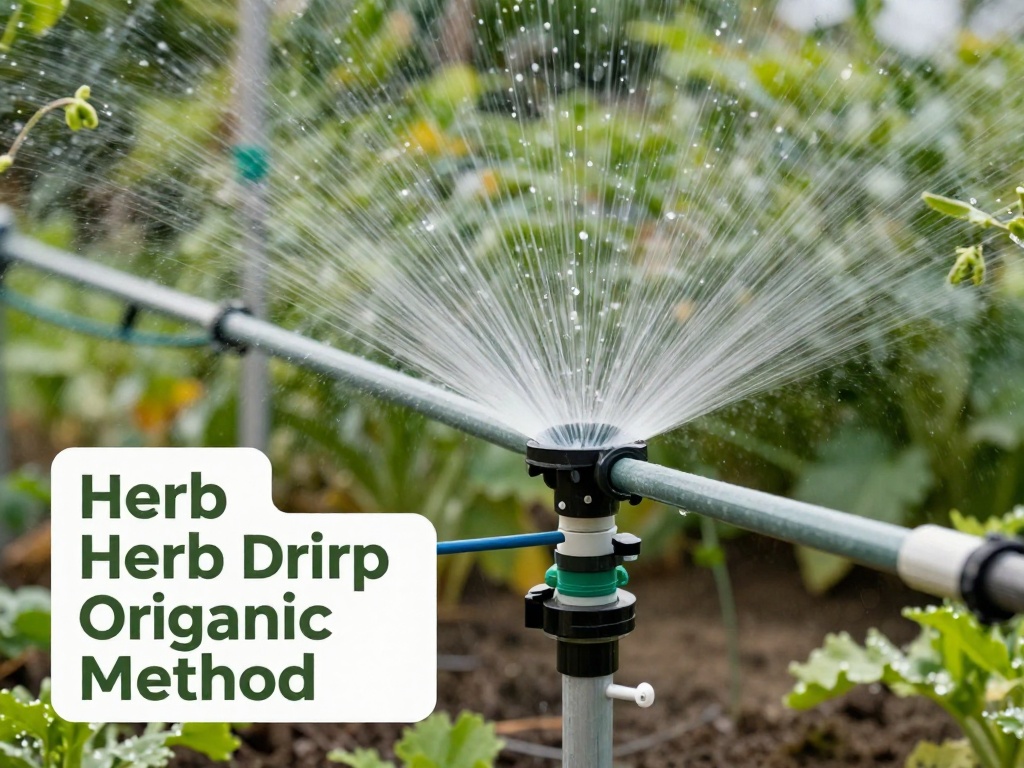
2026 Guide to Herb Drip Irrigation Organic Methods
Growing herbs successfully requires consistent moisture management, and the herb drip irrigation organic method offers an efficient solution for gardeners seeking sustainable results. This comprehensive guide covers everything from basic setup to advanced techniques for cultivating thriving herb gardens while maintaining organic principles.
What Is Herb Drip Irrigation Organic Method?
The herb drip irrigation organic method is a watering technique that delivers water directly to plant root zones through low-pressure tubing with emitters. When combined with organic gardening practices, this system avoids synthetic fertilizers and chemical inputs, relying instead on natural soil amendments and compost to nourish plants. The method mimics natural rainfall patterns while significantly reducing water waste through evaporation and runoff.
Core Principles of Organic Drip Irrigation
Organic drip irrigation operates on three fundamental principles: water efficiency, soil health preservation, and natural nutrient delivery. The system maintains consistent soil moisture levels that herbs prefer while eliminating standing water that attracts pests. By using compost tea injections and organic emulsions through the drip lines, gardeners can fertilize plants without disturbing soil structure or introducing harmful chemicals.
Benefits of Drip Irrigation for Herb Gardens
Implementing drip irrigation in your herb garden provides numerous advantages that make this technique increasingly popular among organic growers. The precision water delivery supports optimal herb growth while addressing common challenges faced in kitchen gardens and raised beds.
Water Conservation and Cost Savings
Drip systems reduce water usage by 30-50% compared to traditional overhead sprinklers. The herb drip irrigation organic method delivers water only where plants need it, eliminating waste in pathways and between rows. Home gardeners report savings on water bills while achieving better results with less effort throughout the growing season.
Disease Prevention and Plant Health
Keeping herb foliage dry prevents fungal diseases that commonly affect basil, mint, and other moisture-sensitive varieties. The organic approach using compost-enriched soil supports beneficial microorganisms that protect plant roots from pathogens. This combination of dry foliage and healthy soil creates ideal conditions for robust herb development.
Step-by-Step Setup for Herb Drip Irrigation
Setting up an effective drip system requires careful planning, but the process remains accessible for beginners with basic tools and materials. This section provides complete instructions for creating a functional system tailored specifically for herb cultivation.
Materials Needed for Organic Herb Drip Systems
- 1/2-inch polyethylene mainline tubing
- 1/4-inch drip tubing or soaker hose
- Pressure regulator (15-25 PSI)
- Screen filter to prevent emitter clogging
- Emitters or drippers (0.5-1 GPH rating)
- Wooden stakes for securing tubing
- Hole punch tool for tubing
- End caps and connect fittings
- Organic compost and soil amendments
Planning Your Herb Garden Layout
Map your herb beds before purchasing supplies, noting plant spacing requirements for each variety. Basil, cilantro, and parsley need emitters spaced 6-8 inches apart, while larger herbs like rosemary and sage require 12-inch spacing. Group herbs with similar water requirements on the same watering zone to ensure proper hydration without overwatering.
Installing the Mainline and Drip Lines
Connect your water source to the pressure regulator, then attach the mainline tubing along the edge of your herb bed. Use the hole punch to create openings where each plant or row will receive water. Insert emitters firmly into punched holes, ensuring they face downward to prevent sediment buildup. Run the mainline around raised beds before securing all ends with tight caps.
Organic Integration Techniques
The true power of the herb drip irrigation organic method lies in how you nourish your soil through the system. Organic integration transforms basic watering into comprehensive plant care that builds long-term garden health.
Compost Tea Delivery Through Drip Lines
Injecting compost tea into your drip system provides foliar feeding directly to root zones. Use a bucket with a ball valve connection installed between your water source and mainline. Steep two cups of quality compost in five gallons of water for 24-48 hours, stirring daily. Open the valve to deliver beneficial microorganisms and nutrients directly to growing herbs.
Organic Fertilizer Application Methods
Supplement irrigation with fish emulsion, kelp extract, or worm casting tea applied through your system. These organic inputs support vigorous herb growth without chemical residues that affect flavor and aroma. Apply liquid organic fertilizers every 2-3 weeks during active growth periods for optimal results.
Best Practices for Maximum Herb Yield
Optimizing your drip system ensures abundant harvests throughout the growing season. These proven techniques help experienced gardeners push their herb production to new levels.
Timing and Duration Recommendations
Water early morning between 5:00 AM and 8:00 AM when evaporation rates remain lowest and herbs can utilize moisture throughout the day. Run your system for 30-60 minutes based on soil type and weather conditions. Sandy soils need more frequent shorter sessions while clay soils benefit from longer irrigation periods that allow proper absorption.
Managing Soil Moisture Effectively
Install a simple moisture meter near herb roots to verify adequate hydration without overwatering. The goal maintains soil moisture at 40-60% saturation for most culinary herbs. Adjust emitter output seasonally, reducing water by 20-30% during cooler months while increasing during heat waves to prevent moisture stress.
Seasonal Adjustments for Organic Systems
Winterize your system by disconnecting and draining tubing to prevent freeze damage. Clean emitters with food-grade hydrogen peroxide solution to remove mineral deposits that restrict flow. Spring preparation includes flushing lines thoroughly before reconnecting to your water source and resuming regular watering schedules.
Troubleshooting Common Issues
Even well-maintained drip systems occasionally experience problems that require adjustment. Understanding common causes helps gardeners quickly restore proper function.
Clogged Emitters and Low Pressure Solutions
Emitter clogging typically results from sediment, algae growth, or mineral buildup from unfiltered water sources. Install adequate filtration and flush lines weekly to prevent accumulation. If emitters clog despite filtration, remove and soak in a solution of one part vinegar to one part water for thirty minutes before rinsing thoroughly.
Uneven Water Distribution
Long runs exceeding 200 feet often experience pressure loss at distant ends. Solve this by installing a pressure compensating emitter at each station or splitting runs into separate zones with individual valves. Ensure the system operates within manufacturer specifications for your specific tubing diameter and length.
Cost Analysis and Long-Term Investment
Understanding the financial aspects helps justify the initial investment required for quality drip systems. Most gardeners recover costs through water savings and improved harvests within 2-3 growing seasons.
Startup Costs Comparison
Basic do-it-yourself kits for small herb gardens cost $25-75 depending on coverage area and component quality. Professional installations for larger garden spaces range from $200-500. Compare these costs against potential water savings of $25-50 annually for moderate-size gardens to determine your best approach.
Return on Investment Timeline
The herb drip irrigation organic method pays dividends beyond water savings. Increased herb yields valued at $50-100 per season in fresh herbs offset initial costs rapidly. Reduced labor for manual watering, fewer pest problems requiring treatment, and improved plant longevity contribute additional value over system lifespan.
Frequently Asked Questions
How often should I run my herb drip irrigation system?
Most herb gardens benefit from drip irrigation every 2-3 days during warm weather, with frequency adjusted based on temperature, humidity, and soil drainage. Clay soils retain moisture longer requiring less frequent watering, while sandy soils need shorter more regular sessions. Monitor plant leaves for wilting or yellowing that indicates improper watering schedules.
Can I use rainwater for my organic drip irrigation system?
Rainwater collection provides excellent water for organic herb gardens since it contains no chlorine or chloramine that may affect soil microbiology. Install a first-flush diverter to remove initial rooftop runoff carrying debris, then direct clean rainwater to storage barrels with mesh screening. Filter rainwater before entering your drip system to prevent emitter clogging.
What herbs grow best with drip irrigation?
Mediterranean herbs including rosemary, thyme, oregano, and sage thrive with drip irrigation because they prefer moderate consistent moisture over fluctuation. Basil, cilantro, parsley, and chives also perform exceptionally well when receiving regular water delivery to root zones. Avoid planting water-loving herbs like mint near drought-tolerant varieties in the same irrigation zone.
How do I prevent root intrusion in my drip tubing?
Root intrusion occurs when herb roots seek moisture inside tubing openings. Prevent this problem by using pressure compensating emitters with built-in check valves that prevent backflow. Alternatively, bury tubing 2-3 inches below soil surface to discourage root discovery. Remove emitters and flush lines annually, trimming any root tips that penetrate tubing walls.
What's the difference between soaker hoses and emitter drip tubing?
Soaker hoses weep water along their entire length, providing uniform coverage ideal for closely spaced herb rows. Emitter tubing delivers water at specific points, offering precise control for individual plants or spaced groupings. Emitter systems generally perform better for mixed herb gardens where plants have varied spacing requirements and water needs.
How do I winterize my organic drip irrigation system?
Winterization protects system components from freeze damage that ruins tubing and emitters. Disconnect the system from water sources, then disconnect and store the filter and pressure regulator indoors. Remove all end caps and elevate tubing sections to drain completely. Coil tubing without sharp bends and store in a dry location above freezing temperatures.
Can I automate my herb drip irrigation with a timer?
Automatic timers significantly improve convenience and consistency for herb gardens. Choose battery-operated timers that maintain programming during power outages. Set timers to water during early morning hours for optimal herb growth. Smart timers connected to moisture sensors automatically adjust watering based on actual soil conditions, providing truly hands-off operation throughout the season.
The herb drip irrigation organic method represents one of the most effective approaches for sustainable herb cultivation. By following this guide and adapting techniques to your specific garden conditions, you can enjoy thriving herbs while conserving water and maintaining healthy organic practices. Start with a small section of your garden, refine your approach through observation, and expand as confidence grows. Your herbs and your wallet will thank you for making this valuable investment in your garden's future.
No comments