
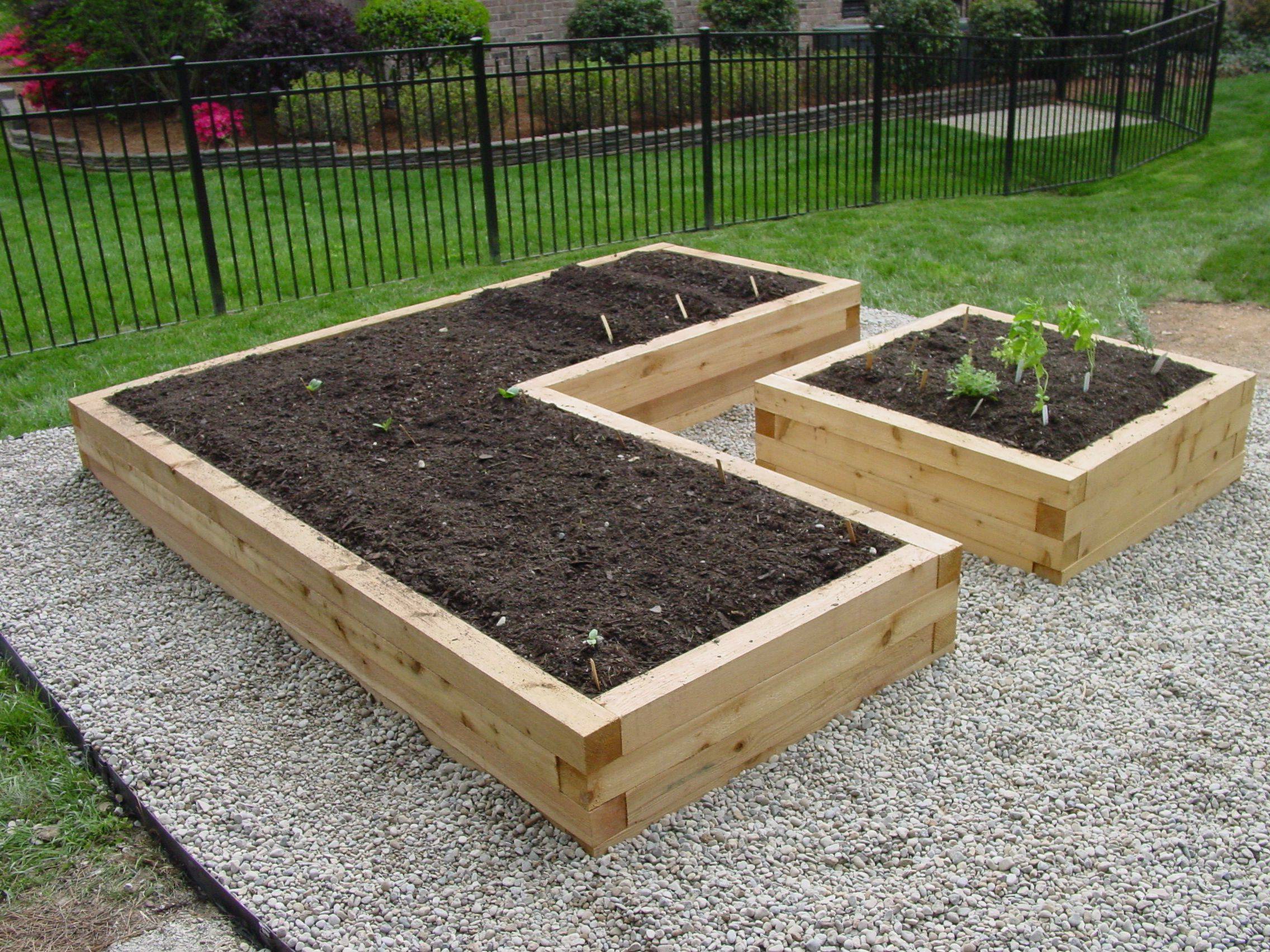
Creating a Raised Garden Bed
Transform Your Backyard: The Ultimate Guide to Above-Ground Gardening
Why Your Garden Deserves an Elevation Upgrade
Imagine trading barren ground for a thriving ecosystem where plants flourish at waist level! Above-ground gardening isn't just a trend—it's a revolutionary approach that transforms poor soil, tight spaces, and aching backs into vibrant, manageable oases. Whether you're a seasoned horticulturist or a first-time planter, raised beds offer superior drainage, eliminate soil compaction, and create a fortress against pests. Picture your vegetables and flowers thriving in their sun-drenched penthouse, roots stretching freely in curated soil while you garden comfortably—no bending required!Location Scouting: Sun, Drainage, and Convenience
Follow the Light
Plants are solar-powered! Scout for spots bathing in 6-8 hours of daily sunlight. Avoid shadowy corners near buildings or trees. Watch how light moves across your yard—morning sun energizes plants while afternoon rays sustain growth.Drainage Drama Prevention
Raised beds despise "wet feet." Steer clear of swampy zones where puddles linger after rain. If your terrain slopes, position beds across the gradient to prevent erosion. Pro tip: Lay cardboard under fresh beds to smother grass and weeds naturally!Blueprint Your Bounty: Designing Raised Beds
Dimensions Decoded
Limit bed width to 4 feet—your arms will thank you when reaching center plants! Length is flexible: frame long ribbons against fences or create modular squares for crop rotation. Height matters:- 12 inches: Minimum for tomatoes, peppers, herbs
- 18-24 inches: Ideal for deep-rooted carrots, potatoes, and asparagus
Material Matchmaking
Choose durable, non-toxic materials:- Cedar or redwood: Naturally rot-resistant
- Composite lumber: Recycled plastic/wood blend (no splinters!)
- Concrete blocks: Industrial-chic and permanent
Soil Science: Crafting the Ultimate Plant Buffet
The Golden Trio Blend
Mix equal parts:- Topsoil: Mineral base
- Compost: Decomposed kitchen scraps/yard waste
- Potting soil: Aeration champions like perlite or vermiculite
Supercharge with Amendments
Fold in worm castings or aged manure for slow-release nitrogen. Like probiotics for soil, they boost microbial life and water retention. For acidic soil lovers (blueberries, azaleas), blend in peat moss.Planting Palette: From Gourmet Greens to Pollinator Parties
Beginner-Friendly Stars
Start with these forgiving champions:- Leafy greens: Kale, spinach, Swiss chard
- Root rockets: Radishes, beets, scallions
- Culinary herbs: Basil, thyme, mint (container within bed to control spread)
Succession Planting: The Garden Tetris
Maximize yield by pairing fast/slow growers:- Lettuce between broccoli plants
- Radishes shading carrot seedlings
Floral Bodyguards
Marigolds repel nematodes; nasturtiums lure aphids away from veggies. Sunflowers create microclimates for shade-loving spinach. It’s a pest-control party!Hydration Station: Watering Without Waste
Drip Irrigation Dominance
Snake drip lines through beds for targeted root hydration—up to 50% less water used! Timers automate morning watering when evaporation is lowest.Hand-Watering Hacks
Use soaker hoses or long-spout watering cans. Probe soil with your finger—moisture should reach knuckle-depth. Deep, infrequent watering > daily sprinkles!Maintenance Mode: Weed Warriors and Disease Defenders
Mulch Magic
Blanket soil with 3 inches of straw or shredded leaves. This suppresses weeds, locks in moisture, and decomposes into nutrients—win-win-win!Organic Pest Patrol
- Handpick caterpillars at dawn
- Spray aphids with diluted Castile soap
- Dust diatomaceous earth for slugs
Fertilizer Rhythm
Feed plants monthly with compost tea or fish emulsion. Sickly plants? Side-dress with worm castings for an instant health boost.Your Elevated Eden Awaits
Building an above-ground garden transforms gardening from chore to joyful ritual. Each bed becomes a living canvas where soil, water, and sunlight conspire to create abundance. So grab your gloves, mix that luscious soil, and let your roots run deep. The harvest—and the happiness—will follow!Above-Ground Gardening FAQs
What’s the ideal raised bed depth?
12 inches suits most plants. Opt for 18-24 inches for deep-rooted crops like carrots or parsnips.Any materials to avoid?
Skip pressure-treated wood—chemicals can contaminate soil. Railroad ties often contain creosote, another toxin.How often should I water?
Water deeply 2-3 times weekly (more in heat waves). Always check soil moisture before watering!Top companion plant pairs?
- Tomatoes + basil (improves flavor)
- Cucumbers + nasturtiums (traps beetles)
- Carrots + onions (confuses root flies)
Preventing pests/diseases?
- Remove diseased plants immediately
- Use floating row covers
- Encourage ladybugs and lacewings
Creating a Raised Garden Bed
![Creating a Raised Garden Bed]() Reviewed by How to Make Money
on
February 14, 2026
Rating:
Reviewed by How to Make Money
on
February 14, 2026
Rating:
No comments