
Gardening Around Your Home
Transform Your Home into a Lush Oasis: Essential Gardening Tips
Picture this: stepping out your front door not onto concrete, but into a vibrant sanctuary. The air hums with life, fragrant blossoms perfume the breeze, and rustling foliage soothes your spirit. This dream isn't reserved for magazines—it's yours to cultivate! Gardening around your house is the key to unlocking your personal Eden. Whether you're a seasoned horticulturist or just discovering your green thumb, transforming your outdoor space into a breathtaking haven is absolutely achievable. Let's dig into the secrets of thriving outdoor plants and essential gardening tips.
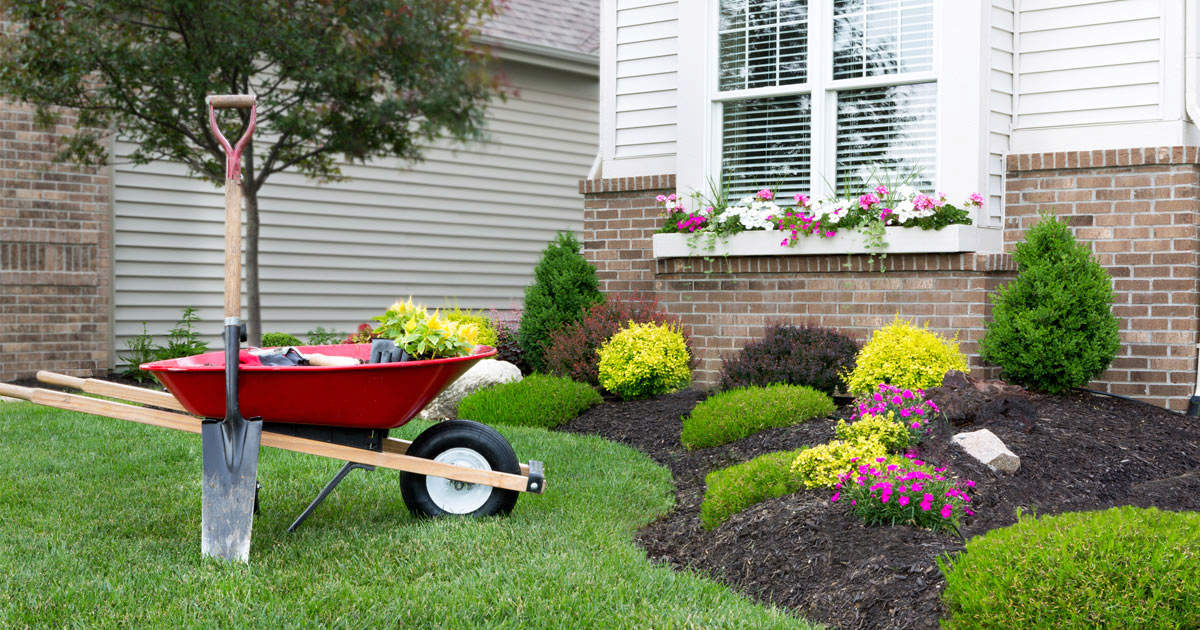
Why Your Home Garden is More Than Just Pretty Flowers
Beyond the visual feast, cultivating a home garden offers profound benefits. It’s a holistic wellness practice:
- Breathe Easier: Plants act as natural air purifiers, filtering pollutants.
- Stress Melts Away: The act of gardening is scientifically proven to lower cortisol levels.
- Boost Your Property Value: A beautifully landscaped yard significantly increases curb appeal and market worth.
- Nature Connection: Reconnect with the earth’s rhythms right outside your door.
It’s time to roll up your sleeves and reap these incredible rewards!
Choosing Your Green Companions: Selecting Outdoor Plants
The cornerstone of a thriving garden is selecting the right plants for *your* unique space. Forget guesswork; success lies in understanding three key factors:
Know Your Environment
- Climate Zone: Are winters harsh? Opt for hardy perennials like Tulips and Daffodils. Live in a sunny paradise? Roses and Lavender will bask in the glory.
- Sunlight Savvy: Track your yard's sun patterns. Full sun (6+ hours)? Petunias and Coneflowers thrive. Partial shade? Hostas and Astilbes are champions.
- Soil Secrets: Is your soil sandy, clay-heavy, or loamy? Amend it with compost for optimal health, regardless of type.
Creating Visual Drama with Plant Variety
Think like a painter! Combine plants for stunning effects:
- Height & Structure: Use tall grasses (Miscanthus) or small trees (Dogwood) as backdrops.
- Mid-Level Magic: Fill with flowering shrubs like Hydrangeas or compact evergreens like Boxwood for year-round interest.
- Ground Cover Glamour: Creeping Thyme or Sedum carpets suppress weeds and add texture.
- Evergreen Essentials: Incorporate Junipers, Hollies, or ornamental grasses for winter structure and color.
The Art of Flower Gardening: Painting with Petals
Flower gardening injects pure joy and vibrant color into your home garden. It’s where creativity blooms:
Annuals vs. Perennials: The Dynamic Duo
- Annuals (Marigolds, Zinnias, Petunias): Provide non-stop color all season long. Perfect for instant impact and beginner confidence.
- Perennials (Peonies, Daylilies, Black-Eyed Susans): Invest in long-term beauty, returning faithfully year after year. Mix both for continuous blooms!
Designing Your Floral Masterpiece
- Color Theory: Harmonize analogous colors (blues, purples) or create excitement with complementary pairs (orange and blue).
- Texture Play: Contrast feathery Astilbes with bold Hosta leaves or velvety Lamb's Ear.
- Pollinator Paradise: Attract butterflies and bees with native plants like Milkweed, Coneflower, and Bee Balm.
Bringing the Garden Indoors: Houseplant Power
Don't let the gardening stop at the door! House plants purify indoor air and bring life to every room:
- Low-Light Legends: Snake Plants, ZZ Plants, and Pothos thrive away from direct sun.
- Bright Light Lovers: Place Fiddle Leaf Figs, Succulents, and Peace Lilies near sunny windows.
- Care Essentials: Water only when the top inch of soil is dry. Feed monthly during spring/summer. Rotate plants for even growth.
Cultivating Success: Essential Gardening Tips
Great gardens are built on strong foundations. Master these core practices:
Soil: The Foundation of Life
Healthy soil = healthy plants. Enrich your earth annually with generous amounts of compost or well-rotted manure. This boosts fertility, drainage, and water retention.
Watering Wisdom
Avoid the soggy-feet syndrome! Deep, infrequent watering encourages roots to grow downwards, creating drought-resistant plants. Check soil moisture before watering – stick your finger in! Early morning watering minimizes evaporation and disease.
Mulch: Your Garden's Superhero Cape
A 2-3 inch layer of organic mulch (bark chips, straw, compost) is transformative:
- Retains precious soil moisture.
- Suppresses weeds naturally.
- Regulates soil temperature (cooler in summer, warmer in winter).
- Enriches soil as it decomposes.
Maintaining Your Living Masterpiece
Regular, mindful care keeps your garden radiant with minimal stress:
Pruning & Deadheading
- Pruning: Removes dead/diseased wood, shapes plants, and encourages bushier growth. Best done according to plant type (e.g., prune spring-flowering shrubs after bloom).
- Deadheading: Pinch or snip off spent flowers. This simple act signals the plant to produce MORE blooms instead of setting seed.
Natural Pest & Disease Defense
Create a balanced ecosystem:
- Companion Planting: Marigolds deter nematodes; Basil near Tomatoes repels hornworms.
- Beneficial Bugs: Attract ladybugs (eat aphids) and lacewings by planting dill, fennel, and yarrow.
- Organic Sprays: Use neem oil or insecticidal soap as targeted interventions. Always inspect plants regularly!
Gardening Through the Seasons
Embrace the year-round rhythm of your garden:
- Spring: Prep soil, plant cool-season crops/flowers, divide perennials.
- Summer: Water deeply, mulch, weed, deadhead, enjoy the harvest!
- Fall: Plant bulbs, trees, and shrubs; clean up debris; add compost; protect tender plants.
- Winter: Plan next year's garden, order seeds, maintain tools, enjoy structure and evergreens.
Crafting Your Personal Paradise
Your garden should reflect YOU. How do you want to live in your outdoor space?
- A secluded reading nook under a flowering vine?
- An al fresco dining area surrounded by fragrant herbs?
- A vibrant play area edged with soft, durable grasses?
Enhance functionality and beauty:
- Define Spaces: Use pathways, low hedges, or gravel areas.
- Add Seating: Invite relaxation with benches or a bistro set.
- Water Features: A small fountain or birdbath adds soothing sound and attracts wildlife.
- Artistic Touches: Sculptures, unique pots, or wind chimes personalize the space.
Gardening around your house is a journey of creation, connection, and profound satisfaction. It’s about cultivating beauty that nourishes your body and soul. Armed with the right outdoor plants and these essential gardening tips, your dream home garden is closer than you think. Grab your gloves, feel the earth, and start transforming your world, one plant at a time. Your lush oasis awaits!
Home Gardening FAQs
What are the easiest outdoor plants for beginners?
Marigolds, Zinnias, Petunias, Sunflowers, Hostas, Sedum, and Daylilies are incredibly forgiving and offer rewarding results with minimal fuss.
How often should I water my garden?
There's no one-size-fits-all answer. It depends on weather (hot/dry vs. cool/wet), soil type (sandy drains fast, clay holds moisture), and plant needs. Always check soil moisture a few inches down. Aim for deep watering less frequently rather than shallow sprinkles daily.
Why is flower gardening beneficial?
Beyond stunning beauty, flower gardens attract vital pollinators (bees, butterflies), improve air quality, boost your mood, and provide cut flowers for your home. They’re a sensory delight!
How can I control pests organically?
Focus on prevention and balance: encourage beneficial insects, practice companion planting, use physical barriers (row covers), hand-pick larger pests, and apply organic sprays like neem oil or insecticidal soap only when necessary, targeting affected areas.
What's the key to maintaining a healthy garden?
Consistency is key: Start with healthy, compost-enriched soil, water deeply and appropriately, apply mulch, prune/deadhead regularly, monitor for pests/diseases early, and feed plants as needed during the growing season. Observation is your most powerful tool!
No comments