
How to Start Terrace Gardening
Transform Your Terrace: The Ultimate Guide to Urban Gardening
Envision stepping onto your terrace not into a barren wasteland of concrete, but into a vibrant, living sanctuary bursting with greenery. Terrace gardening isn't just a fleeting trend; it's a revolutionary way to reclaim your urban space, breathe cleaner air, and harvest nature's bounty steps from your door. Whether you commandeer a sprawling rooftop or navigate a cozy balcony, the magic of container gardening and clever design can turn your small space into a thriving ecosystem. Ready to cultivate your own slice of paradise? Let's dig in!
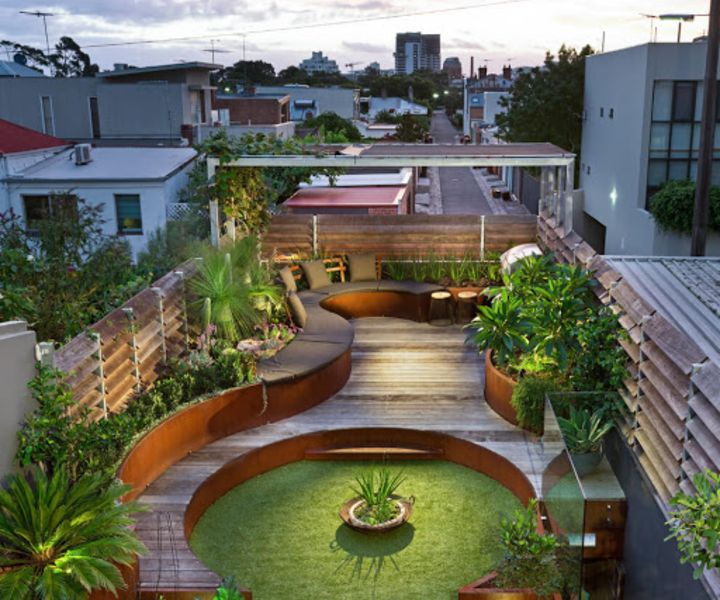
Why Your City Life Needs a Terrace Garden
Urban agriculture is exploding, and terrace gardens sit at its heart. Beyond the undeniable visual charm, transforming your terrace offers tangible benefits:
Breathe Easier, Live Greener
Plants are nature's air purifiers. A terrace garden actively filters pollutants, pumping out fresh oxygen. It's a personal step towards sustainability, reducing your carbon footprint by growing food locally and creating vital green corridors in the concrete jungle.
Fresh Flavors at Your Fingertips
Imagine plucking sun-warmed tomatoes, fragrant basil, or crisp lettuce seconds before they grace your plate. Terrace gardening puts farm-to-table literally on your doorstep, ensuring unparalleled freshness and flavor.
Your Personal Wellness Retreat
Tending plants is proven therapy. The rhythmic tasks of watering, pruning, and harvesting melt away stress, offering a mindful escape from the urban grind. Your terrace becomes a private sanctuary for relaxation and rejuvenation.
Laying the Groundwork: Planning Your Green Oasis
Success sprouts from smart planning. Before you buy a single pot, become a terrace detective:
Master Your Microclimate
Sunlight is King: Track how many hours of direct sun your terrace receives daily. Full sun (6+ hours) suits tomatoes and peppers. Partial shade (3-6 hours) is ideal for leafy greens and herbs. Deep shade areas can host ferns or hostas.
Space & Structure: Measure meticulously! Note wind patterns and weight limits (especially for rooftops). Sketch a simple layout visualizing your container placements.
The Backbone: Choosing Containers Like a Pro
Containers are the unsung heroes of small space gardening. Choose wisely:
Material Matters
- Terra Cotta: Classic, breathable, but heavy and dries fast.
- Plastic/Resin: Lightweight, affordable, retains moisture well.
- Fabric Grow Bags: Excellent aeration, prevents root circling, lightweight.
- Recycled/Upcycled: Get creative! Old buckets, crates, or tin cans (with drainage added).
Drainage is Non-Negotiable
Root rot is a silent killer. Every container MUST have drainage holes. Elevate pots slightly using pot feet or bricks. Add a layer of gravel or broken pottery shards at the base for extra insurance.
Planting Paradise: Choosing Your Green Companions
What thrives on your terrace? Match plants to your conditions and desires:
Balcony Plants for Every Purpose
- Flavor Powerhouses: Basil, Mint, Parsley, Cherry Tomatoes, Chilies, Lettuce, Spinach, Radishes.
- Color & Fragrance: Petunias, Marigolds, Geraniums, Pansies, Lavender, Jasmine (for trellises).
- Foliage Focus: Spider Plants, Snake Plants, Coleus, Ornamental Grasses, Succulents (for sunny spots).
Reach for the Sky: Vertical Gardening Magic
When floor space vanishes, grow upwards! Vertical gardening maximizes every inch:
- Trellises & Obelisks: Perfect for climbing beans, peas, cucumbers, or flowering vines like Clematis.
- Wall-Mounted Planters & Pockets: Transform bare walls into lush, living tapestries of herbs, strawberries, or trailing plants.
- Hanging Baskets: Add layers with cascading plants like trailing petunias, ivy, or ferns.
- Pallet Gardens: Upcycle wooden pallets vertically against a wall.
Nurturing Your Urban Eden: Essential Care
Consistent care ensures your garden flourishes:
Watering Wisdom
Containers dry out rapidly. Check soil moisture daily – stick your finger in an inch deep. Water thoroughly until it runs freely from the drainage holes, aiming for early morning. Consider drip irrigation or self-watering pots for busy lifestyles or hot climates.
Feeding for Vigor
Potted plants exhaust nutrients quickly. Fertilize regularly (every 2-4 weeks during peak growth) with a balanced, water-soluble fertilizer or organic options like fish emulsion or compost tea. Think of it as essential plant nutrition!
Keeping Pests at Bay
Vigilance is key. Inspect plants often for aphids, mealybugs, or spider mites. Blast minor infestations with water. Use organic solutions like insecticidal soap, neem oil spray, or introduce beneficial insects like ladybugs. Healthy plants resist pests better!
Crafting Beauty: Garden Design on a Terrace
Your terrace is your canvas. Design with intention:
- Create Layers: Use plant stands, shelves, or stack pots to build height and visual interest.
- Mix Textures & Colors: Combine bold foliage (like Swiss Chard) with delicate flowers and trailing vines.
- Functional Layout: Ensure easy access for watering and harvesting. Leave space to sit and enjoy!
- Define Zones: Create a cozy seating nook surrounded by greenery, a dedicated veggie patch, or a fragrant herb corner.
- Add Personal Touches: Weather-resistant art, fairy lights, colorful cushions, or a small water feature enhance the ambiance.
The Joy of Maintenance: Keeping it Thriving
A little regular effort goes a long way:
- Prune & Pinch: Regularly remove dead leaves and spent flowers (deadheading) to encourage new blooms and prevent disease. Pinch back herbs to promote bushiness.
- Weed Diligently: Don't let unwanted plants steal nutrients and water.
- Refresh Soil: Top-dress pots annually with fresh compost or replace the top few inches of soil.
- Seasonal Shifts: Rotate crops in edible gardens. Protect tender plants from frost or extreme summer heat. Bring sensitive plants indoors if needed.
Terrace Gardening FAQs Answered
What are the best plants for a shady terrace?
Ferns, Hostas, Begonias, Impatiens, Coleus (for color), Mint, Parsley, Lettuce, and Spinach often tolerate lower light levels well.
How can I ensure proper drainage in my pots?
Always use containers with holes! Add a layer (1-2 inches) of coarse material like gravel, pebbles, or broken pottery shards at the bottom before adding potting mix.
Can I really grow vegetables on my terrace?
Absolutely! Many vegetables excel in containers: Tomatoes (especially dwarf/bush varieties), Peppers, Eggplant, Lettuce, Kale, Spinach, Radishes, Beans, Cucumbers (on trellises), and Herbs are fantastic choices. Ensure adequate sunlight (6+ hours for most fruiting veggies).
When is the best time to start a terrace garden?
Spring and fall offer the mildest temperatures, ideal for establishing most plants. You can start seeds indoors earlier. Summer requires diligent watering, and winter needs frost protection or a focus on cool-season crops.
How do I prevent pests organically?
Regular inspection is crucial. Encourage beneficial insects (ladybugs, lacewings). Use barriers like row covers. Employ sprays made from neem oil, insecticidal soap, or diluted garlic/chili solutions. Keep the garden clean of debris where pests hide.
Embarking on your terrace gardening journey is an investment in beauty, sustainability, and personal well-being. From the first container placed to the joy of harvesting your own produce, it transforms your urban dwelling. Don't wait for the perfect moment – start small, learn as you grow, and watch your concrete terrace blossom into a thriving, life-affirming oasis. Your green sanctuary awaits!
Source
No comments