
How Does the Farmers' Almanac Moon Gardening Guide Work?
Unlocking the Secrets of Moon Gardening: A Comprehensive Guide
Have you ever looked at the moon and wondered if its ethereal glow holds the key to a more abundant garden? For generations, gardeners have turned to the lunar cycle, guided by sources like the Farmer's Almanac, to enhance their yields and cultivate healthier plants. This practice, steeped in tradition, is known as moon gardening. Is it folklore or a legitimate approach to horticulture? Let's dig in and explore the captivating world of lunar-influenced cultivation.
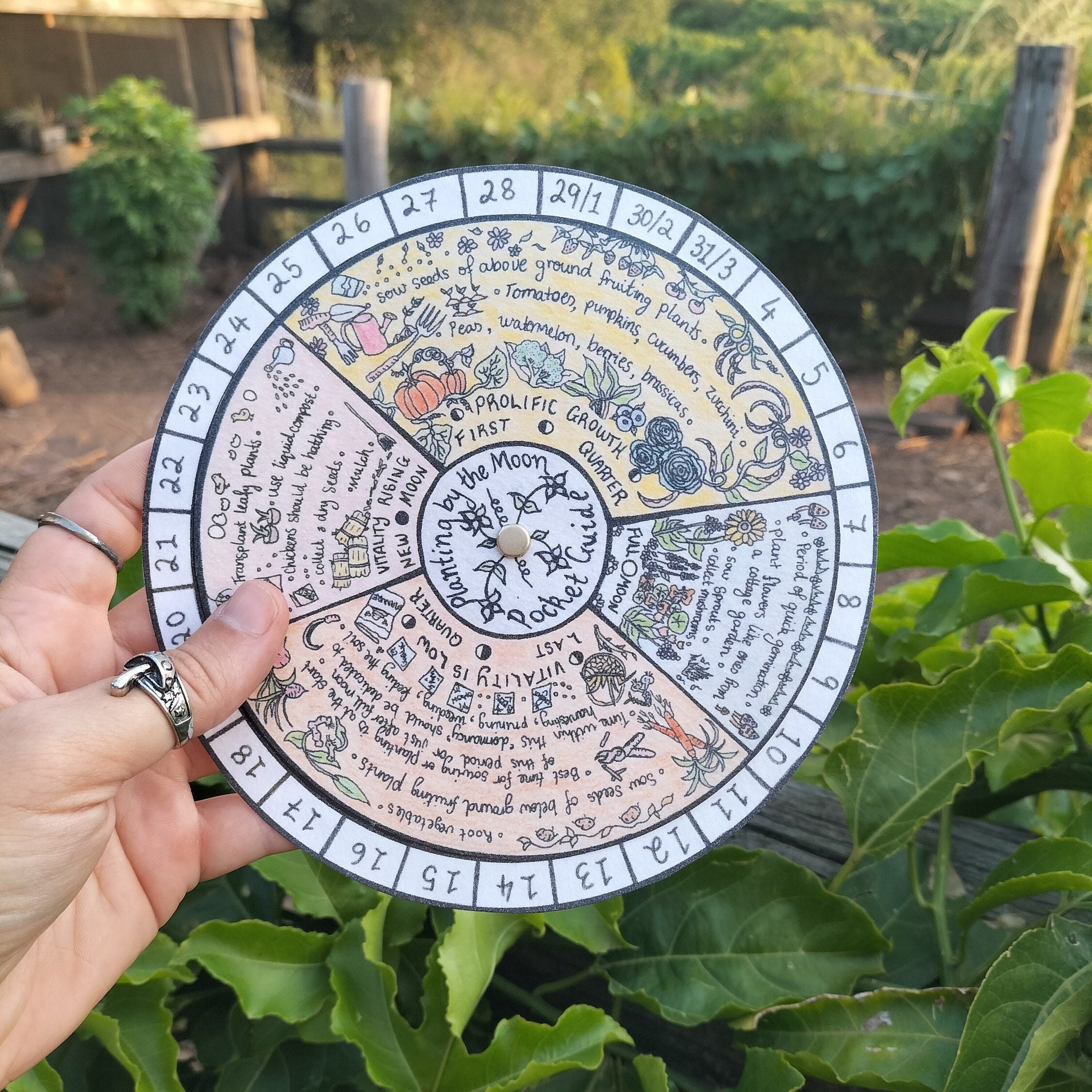
What is Moon Gardening?
Moon gardening, simply put, is the art of timing your planting, pruning, and harvesting activities in accordance with the phases of the moon. The Farmer's Almanac has long been a champion of this method, offering detailed calendars that pinpoint optimal times for various gardening tasks. But what makes the moon's phases so important?
The Lunar Pull: Science or Superstition?
The fundamental idea behind moon gardening is the moon's gravitational influence. Just as the moon affects our planet's tides, proponents believe it also impacts the water within plants. During the new and full moon phases, the gravitational pull is at its strongest, drawing moisture upwards. This increased sap flow is thought to stimulate leaf growth and overall vitality. Conversely, the waxing and waning phases, with their weaker pull, are considered ideal for root development, fertilization, and certain harvesting activities.
The Farmer's Almanac: Your Lunar Gardening Guide
The Farmer's Almanac is an indispensable resource for anyone interested in moon gardening. Its gardening calendar meticulously outlines the best days for planting various crops, pruning shrubs and trees, and harvesting your bounty. By consulting this calendar and aligning your garden work with the lunar phases, you're essentially harnessing the moon's alleged energy to maximize your garden's potential. How do you get started?
Getting Started with Lunar Planting: A Step-by-Step Guide
Embarking on your moon gardening adventure requires some essential tools and insight. Here’s how to begin:
- Obtain a Lunar Calendar: Acquire a copy of the Farmer's Almanac or access their online gardening calendar. This calendar is your navigational chart, guiding you through the lunar phases and correlating them with specific gardening tasks.
- Understand the Lunar Phases: Familiarize yourself with the four primary lunar phases: the new moon, waxing moon, full moon, and waning moon. Each phase exerts a unique influence on plant growth.
- Tailor Planting to the Phases: Leafy greens flourish during the waxing moon as energy rises, promoting leaf development. Root crops are best planted during the waning moon, encouraging robust root growth.
The Four Phases of the Moon and Their Garden Impact
Understanding each phase is crucial for effective moon gardening:
- New Moon: The moon is dark. Considered a prime time for planting leafy annuals that produce their seeds outside the fruit.
- Waxing Moon (First Quarter): As the moon grows from new to full, it's an excellent time for planting annuals that produce their seeds inside the fruit.
- Full Moon: The moon is at its brightest. Good for planting root crops and perennials.
- Waning Moon (Last Quarter): The moon shrinks from full to new. Ideal for pruning, harvesting, and soil cultivation.
Practical Tips for Successful Moon Gardening
Applying lunar principles requires careful adaptation. Consistency and meticulous planning are essential. Here are several practical tips for optimizing this ancient practice:
Tailoring Planting to Lunar Phases
Timing is critical. For instance, plant leafy crops like lettuce and spinach as the moon waxes; root vegetables such as carrots reap benefits from planting under a full or waning moon when energies concentrate below ground.
Pruning and Harvesting in Harmony with the Moon
Take advantage of lunar cycles when tending to your plants. Pruning during a waning phase lessens stress, and this gravitational dip preserves harvested goods.
The Science Behind the Phases: Fact or Fiction?
The efficacy of moon-based gardening is still being deliberated within the scientific community. Studies presenting evidence are scarce, and many scientists question the significant impact while conceding gravitational outcomes. However, legions of home and professional gardeners cite tangible improvements in crop health and yield.
Theories and Testimonials
Proponents suggest the moon's gravitational strength enhances moisture absorption and, therefore, nutrient intake. Another concept involves moonlight influencing hormonal levels, which affect plant activity and lifespan. Whether data-backed or lore-driven, the Farmer’s Almanac supports the use of moon cycles for horticultural planning.
Embrace the Lunar Rhythm: Your Gateway to a Flourishing Garden
Delving into moon gardening means potentially enhancing plant output by working alongside the lunar cycle. Aligning planting to maximize natural forces translates into a healthy, booming garden for every enthusiast, whether new or advanced.
Ready to Start?
Obtain the Farmer’s Almanac, review the lunar cycles, and match actions accordingly. By trying lunar-aligned gardening, you might observe remarkable results.
Frequently Asked Questions about Moon Gardening
What is the best time to plant vegetables according to the moon?
The best time depends on the type of vegetable. Leafy vegetables prefer the waxing moon, while root crops thrive during the full moon.
Do gardeners really see improvements with moon gardening?
Many gardeners report positive results, though scientific backing remains debated. It offers valuable insights regardless.
How do I begin moon gardening?
Consult the Farmer's Almanac or an online lunar calendar, understand lunar phases, and plan accordingly.
What are the main benefits of planting using the moon phases?
Benefits include enhanced growth, increased yield, and healthier plants due to optimized nutrient absorption.
Is there scientific evidence to support moon gardening?
The scientific community is divided; some studies hint at gravitational influences, but more research is needed.
Source: Source
No comments