
Gardening From a Wheelchair: Is It Possible?
Unlocking the Joy of Gardening: A Wheelchair Accessible Guide
Imagine the warmth of the sun kissing your skin as you gently tend to your garden, the intoxicating aroma of blossoms swirling in the air, and the immense satisfaction of nurturing life from seed to bloom. Gardening, for many, is a sanctuary – a place of peace, therapy, and tangible reward. But what if mobility challenges, such as using a wheelchair, seem to put this idyllic vision out of reach? The wonderful truth is, it doesn't have to. Welcome to the world of adaptive gardening, where thoughtful design and innovative techniques make the joys of cultivating a garden accessible to everyone.
What is Adaptive Gardening?
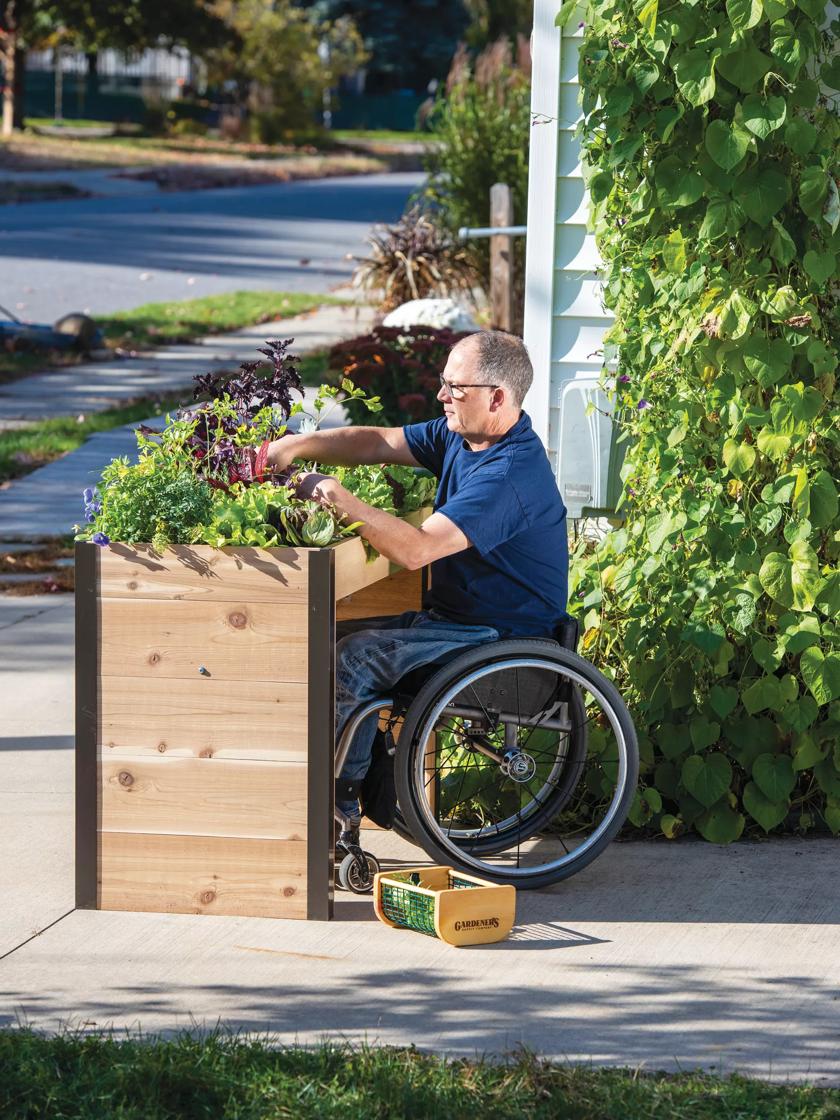
Adaptive gardening is about creatively modifying traditional gardening methods to accommodate a range of physical limitations. Whether you use a wheelchair, have limited reach or strength, or manage other challenges, adaptive gardening empowers you to fully participate in and benefit from the gardening experience. The core principle is designing a personalized garden space that is not only wheelchair accessible but also perfectly tailored to your unique needs and abilities.
The Benefits of Gardening from a Wheelchair
The benefits extend far beyond just a beautiful garden. Gardening offers:
- A Sense of Accomplishment: Nurturing plants and witnessing their growth provides a powerful sense of purpose and achievement.
- Physical Activity: Even gentle gardening tasks offer valuable physical activity, improving strength, flexibility, and overall well-being.
- Improved Mental Health: Gardening is a proven stress reliever, fostering mindfulness and a connection with nature.
- Creative Expression: Your garden is a blank canvas for your creativity, allowing you to design a space that reflects your personal style and preferences.
- Independence and Self-Sufficiency: Gardening empowers you to actively shape your environment and enjoy the fruits (or vegetables!) of your labor.
Planning Your Wheelchair Accessible Garden: The First Steps
The key to a successful accessible garden lies in careful planning. Begin by honestly assessing your needs and capabilities. Ask yourself:
- What is my range of motion and reach?
- What are my strength and endurance levels?
- What types of gardening tasks do I enjoy most (e.g., planting, weeding, watering)?
- What are my sensory preferences (e.g., fragrant flowers, textured leaves)?
- What is my budget for materials and tools?
Once you have a clear understanding of your requirements, you can start designing a garden that truly works for you. Consider the layout, the types of plants you want to cultivate, and the adaptive tools that will make gardening easier and more enjoyable.
Designing for Accessibility: Key Considerations
Creating an accessible garden is all about thoughtful design that prioritizes ease of navigation and maintenance. Aim to create a space that is as effortless and fulfilling as possible. Here are some essential tips:
Location, Location, Location
Choose a location that is level and easily accessible from your home. Avoid steep slopes or uneven surfaces, as these can be difficult or even dangerous to navigate in a wheelchair. Ensure the area receives ample sunlight for your chosen plants and offers enough space for comfortable maneuvering.
Plant Selection: Choose Wisely
Opt for plants that are relatively low-maintenance and well-suited to your local climate. Native plants are an excellent choice, as they are typically more resilient and require less watering and fertilization. Prioritize plants that are easy to reach and tend from a seated position. Also, consider incorporating plants that stimulate your senses, such as fragrant herbs (like lavender or rosemary) or plants with interesting textures (like lamb's ear).
Raised Beds and Container Gardening: Bring the Garden Closer
Raised beds and container gardens are invaluable tools for wheelchair accessible gardening. They elevate the plants, bringing them within easy reach and reducing the need for bending or stooping. Choose containers of varying sizes and heights to create visual interest and accommodate different types of plants. You can even find self-watering containers that further simplify maintenance.
Embrace Adaptive Gardening Tools
Invest in adaptive gardening tools specifically designed to make gardening easier for individuals with disabilities. Look for tools with long handles, ergonomic grips, and lightweight materials to minimize strain and fatigue. A garden cart or wheelchair-mounted tool holder can keep your essential tools within easy reach. Adjustable-height planters and tables offer even greater flexibility and comfort.
Maintaining Your Accessible Garden
Regular maintenance is essential for a thriving garden. Adaptive techniques can make these tasks much easier:
Watering Made Easy
Drip irrigation systems or soaker hoses provide targeted watering directly to the roots of your plants, minimizing water waste and reducing the need for manual watering. Consider using a timer to automate the watering process.
Weed Control Strategies
Mulching around your plants helps to suppress weeds, retain moisture in the soil, and regulate soil temperature. Use organic mulches like wood chips, straw, or shredded leaves. Regularly inspect your garden for weeds and remove them promptly to prevent them from spreading.
Resources for Disabled Gardening
Numerous resources are available to support you on your adaptive gardening journey:
- Organizations such as the American Horticultural Society offer valuable information, programs, and resources on adaptive gardening techniques.
- Online forums and community groups connect you with fellow gardeners who have similar experiences and can offer valuable advice and encouragement.
- Local nurseries and garden centers may have staff with expertise in adaptive gardening and can help you select the right plants and tools.
Conclusion: Your Accessible Garden Awaits
Gardening from a wheelchair is not just possible – it can be an incredibly enriching and rewarding experience. By embracing adaptive gardening principles, designing a thoughtfully accessible space, and utilizing the right tools and techniques, you can unlock the joys of gardening and cultivate a beautiful, thriving oasis that nurtures both your plants and your soul. So, get ready to roll up your sleeves (or wheels!) and embark on this exciting adventure. Your accessible garden awaits!
No comments