
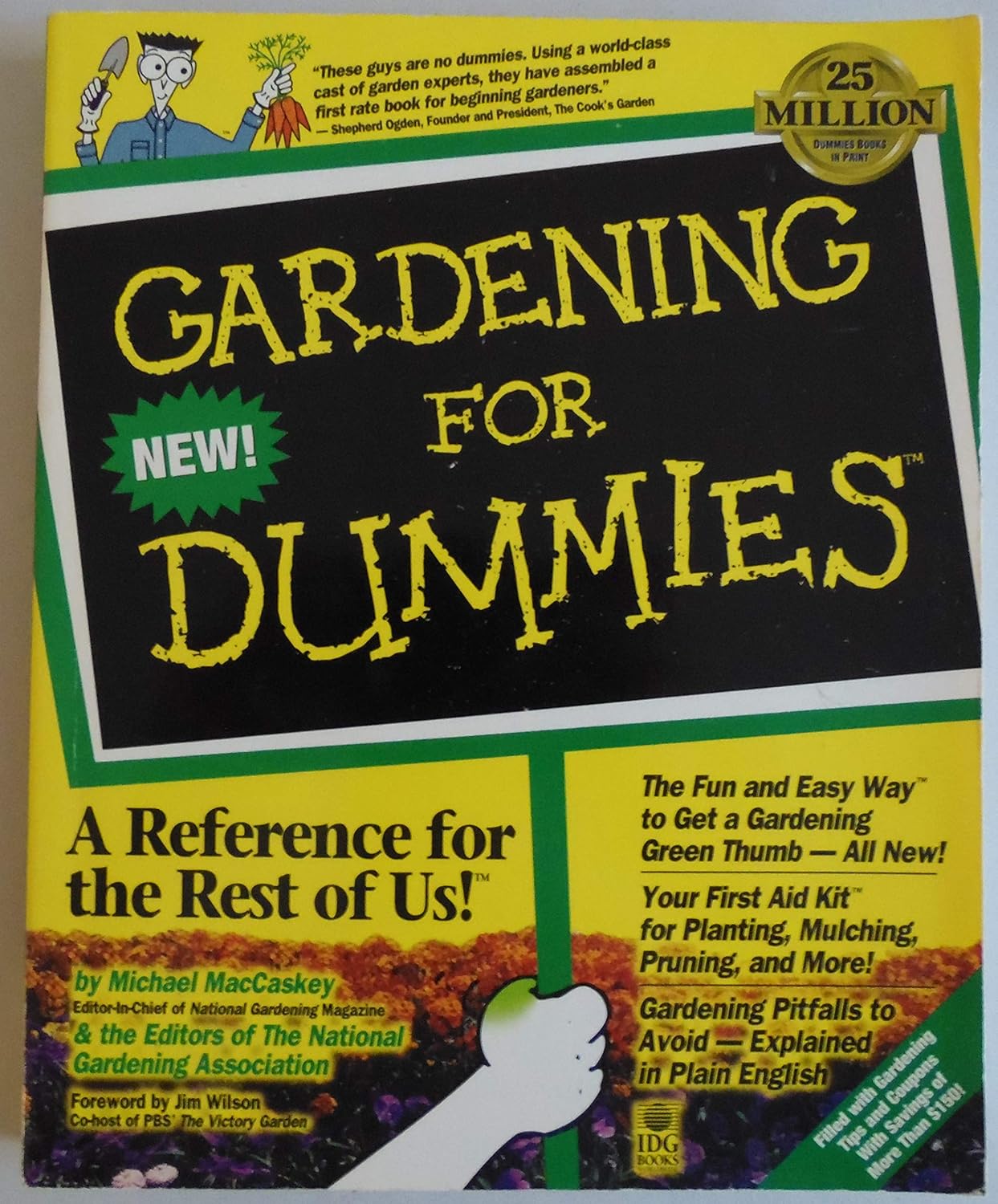
Gardening for Dummies: A Beginner's Guide
Gardening for Dummies: Cultivating Your Green Oasis
Imagine stepping into your backyard and being greeted by a vibrant tapestry of lush greenery, ripe vegetables, and fragrant flowers. It's not just a dream; it's the rewarding reality of gardening! Whether you're a complete novice or simply looking to refine your skills, this guide is your gateway to transforming any space—from sprawling lawns to cozy balconies—into a flourishing garden.
Why Gardening? Unearthing the Benefits
Gardening is more than just a hobby; it's a powerful connection to nature with a multitude of benefits:
- Stress Reduction: The simple act of tending to plants can be incredibly therapeutic, reducing stress and promoting relaxation.
- Improved Physical Health: Gardening provides gentle exercise, improving strength, flexibility, and overall well-being.
- Fresh, Healthy Produce: Enjoy the unparalleled taste of homegrown vegetables and herbs, free from harmful pesticides and packed with nutrients.
- Environmental Stewardship: Gardening supports biodiversity, reduces your carbon footprint, and contributes to a healthier planet.
Laying the Groundwork: Essential Steps to Start
1. Finding the Perfect Spot: Sun, Space, and Observation
Most plants thrive in sunlight, so scout for a location that receives at least 6-8 hours of direct sunlight daily. If you have limited space, don't despair! Consider:
- Container Gardening: Utilize pots, planters, and hanging baskets to create a mobile and versatile garden.
- Vertical Gardening: Maximize vertical space with trellises, wall planters, or stacked planters.
2. Choosing the Right Plants: Beginner-Friendly Varieties
Start with easy-to-grow plants that are forgiving and adaptable. Some excellent options for beginners include:
- Tomatoes: A rewarding choice, producing delicious fruits with minimal effort.
- Lettuce: Quick-growing and provides a continuous harvest of fresh greens.
- Marigolds: Vibrant flowers that attract beneficial insects and deter pests.
- Herbs (Basil, Mint, Chives): Easy to grow in pots and add flavor to your culinary creations.
3. Soil Preparation: The Foundation of a Thriving Garden
Healthy soil is the key to successful gardening. Before planting, enrich your soil with:
- Compost: A natural soil amendment that improves drainage, aeration, and nutrient content.
- Balanced Fertilizer: Provides essential nutrients for plant growth. Choose a slow-release formula for sustained feeding.
If you're unsure about your soil's quality, consider getting it tested at a local gardening center.
Nurturing Your Garden: Essential Care Tips
1. Watering Wisely: Finding the Right Balance
Overwatering and underwatering are common mistakes. Follow these guidelines:
- Water Deeply: Encourage deep root growth by watering thoroughly but less frequently.
- Check Soil Moisture: Use a moisture meter or simply stick your finger into the soil to gauge dampness.
- Adjust to Weather: Water more frequently during hot, dry spells.
2. Fertilizing for Growth: Providing Essential Nutrients
Fertilizers supplement the nutrients in the soil. Choose a balanced formula and apply it according to package instructions. Remember that over-fertilizing can harm your plants, so moderation is key.
3. Pest and Disease Control: Protecting Your Plants
Regularly inspect your plants for signs of pests or diseases. Use organic pest control methods whenever possible, such as neem oil, insecticidal soap, or beneficial insects. Consult a local gardening expert for help identifying and treating issues.
4. Companion Planting: Natural Harmony in the Garden
Companion planting involves pairing plants that benefit each other. For example, basil repels pests that attack tomatoes, while carrots and onions deter each other's pests. Research effective companion plant pairings for your chosen crops.
5. Mulching: A Gardener's Best Friend
Mulch provides numerous benefits:
- Moisture Retention: Reduces water evaporation, keeping soil consistently moist.
- Weed Suppression: Prevents weeds from sprouting and competing with your plants.
- Temperature Regulation: Insulates the soil, protecting roots from extreme temperatures.
Use organic mulches like straw, wood chips, or shredded leaves, and apply a 2-3 inch layer around your plants.
Ongoing Maintenance: Keeping Your Garden Thriving
Gardening is an ongoing process that requires regular attention. Make it a habit to:
- Check for Stress: Look for signs of wilting, yellowing leaves, or other abnormalities.
- Prune Regularly: Remove dead or damaged leaves and stems to promote healthy growth.
- Keep it Tidy: Remove weeds, debris, and fallen leaves to prevent disease and pests.
Common Gardening Mistakes to Avoid
Learn from the mistakes of others. Here are some pitfalls to avoid:
- Overwatering: Leads to root rot and other problems.
- Over-fertilizing: Can burn plant roots and harm growth.
- Ignoring Pests and Diseases: Small problems can quickly escalate if left untreated.
Your Green Thumb Awaits!
Gardening is a journey of learning and discovery. Don't be afraid to experiment, make mistakes, and learn from your experiences. With a little knowledge, patience, and enthusiasm, you can create a beautiful and bountiful garden that brings joy and satisfaction for years to come.
So, grab your tools, embrace the outdoors, and embark on your gardening adventure!
Source
No comments